

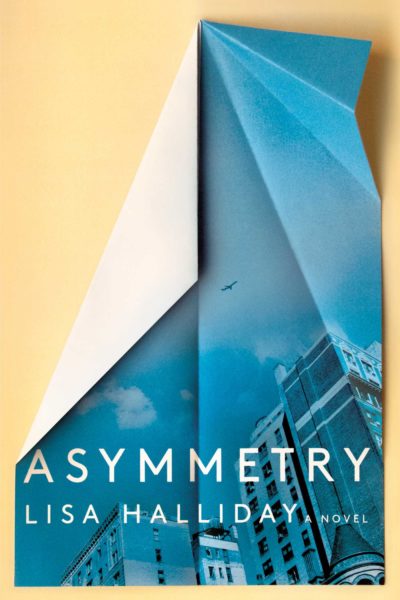
One of these novellas is not like the other. The asymmetry, of course, is very much the point, and the contrast is inherently political. Together, the two parts ask, What ‘we’ can hold us?
A Little in Love with Everyone
Charleston is the city that showed me how to be gay.

Some reviewers in Great Britain have criticized Self’s trilogy for being too diffuse, too difficult. I found PHONE not diffuse enough.
An Oasis of Horror in a Desert of Boredom
One can easily imagine what a self-styled renegade like Bolaño would admire in a figure like Baudelaire.
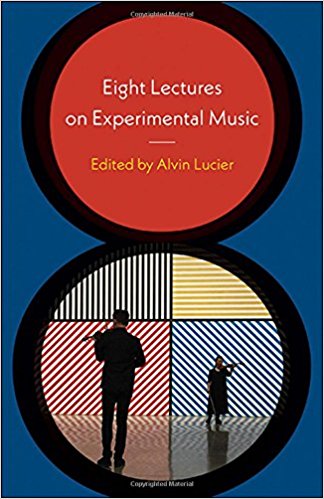
Eight Lectures on Experimental Music – Ed. Alvin Lucier
While this elite benefaction may help to undergird the lucky artist’s work, it certainly does not offer a hell of a lot of relief to this lost listener who cannot afford their dietary staples.
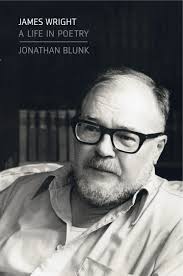
“I’ve tried to give readers strong, vivid glimpses of [James Wright] in all the places he lived and traveled to in his sadly shortened but very full life.”
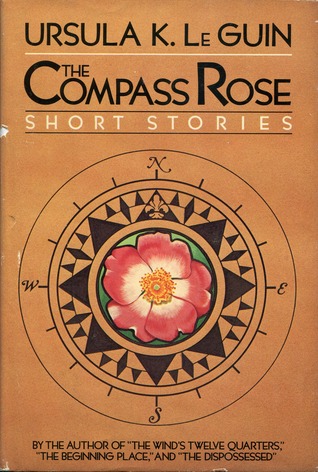
Coming of Middle Age with Ursula Le Guin
Le Guin gave me a gift 27 years ago, and I’m only now understanding how precious it is.
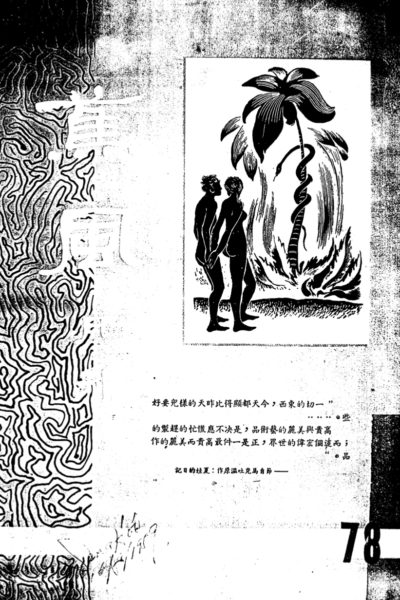
Mahua Modernist Poetry as a Translational Practice
Sometimes condemned as an “ethnic literature” of a minority ethnic group not properly integrated into a “national culture,” Mahua literature faces constant questions of self-definition and autonomy.
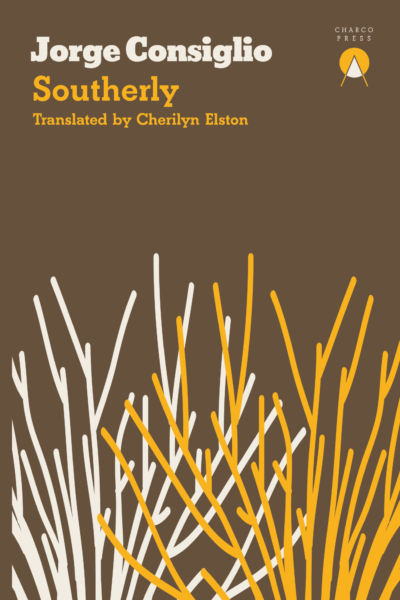
The question of how we create meaning or value — which, Consiglio reminds us, are far from the same thing — when moving through a place serves as a structural principle in this collection where each story stretches out like a corridor with different rooms attached.
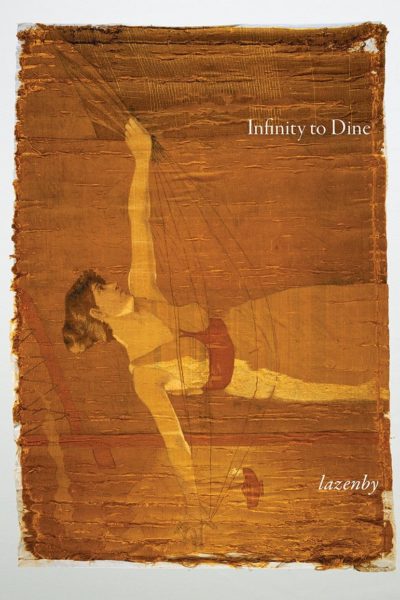
Where we can usually only view questions from one angle (we can never view words in the round; stand behind, or to the side of, the page), lazenby attempts to do otherwise, treating questions as statues.