

I trust the reader to be able to understand the horror and tenderness innate in a situation. My job is to write it down as clearly as I can, and without judgment. There’s a difference between voyeurism and witness.
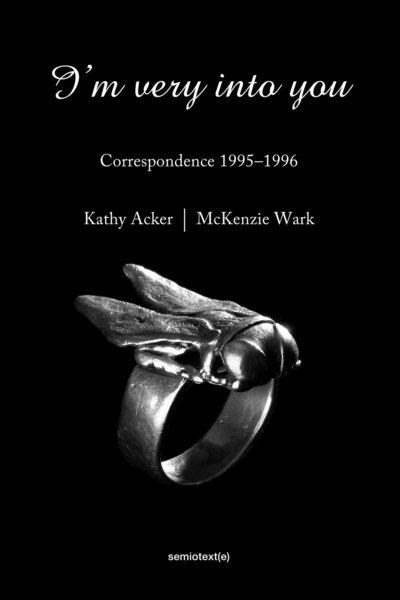
I’m Very Into You – Kathy Acker & McKenzie Wark
What changed with the availability of email is not so much the effect of time as that of space on communication.
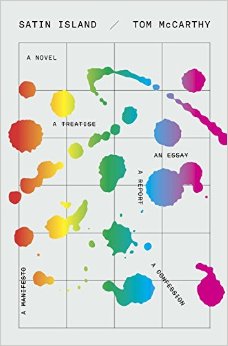
Tom McCarthy’s fiction quite palpably poses a challenge to entrenched reading habits and subverts conventional literary practice.
Exposure to more ads means more reading and seeing and hearing the empty rhetoric of essentialist perlocution: paltered clichés, tropes, maxims, lies, and nonsense. One result, in Barthes’ view, is a cheapening of the greater language.

“If the city of my birth should wish to perpetuate my name clearly but harmlessly,” Steinbeck once suggested, “let it name a bowling alley after me or a dog track or even a medium price, low-church brothel.”

Isn’t all language, all classification, only holes tied together with string?
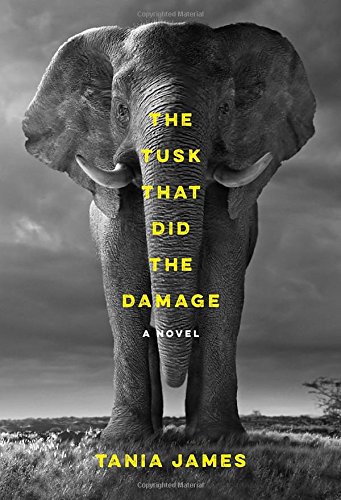
The Tusk That Did the Damage – Tania James
The elephant carries what would otherwise be a thoughtful narrative of an American twenty-something.

The Style Guide: Smooth Tips for Grammar and Love
The Style Guide on Harvard commas, dating profiles, and diction as a window to the soul.
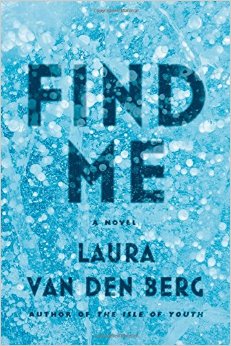
Unlike other stories about the apocalypse, this book is tender.
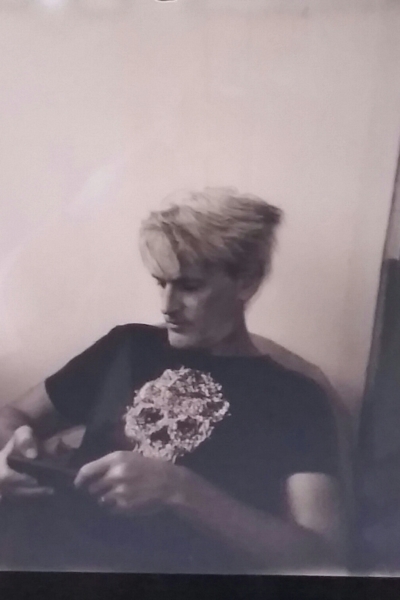
I know some of them have extreme content, but to me it’s always been organic to the stories and not designed to shock for shock’s sake. To me, all my books are serious books, written with serious intent.