

-
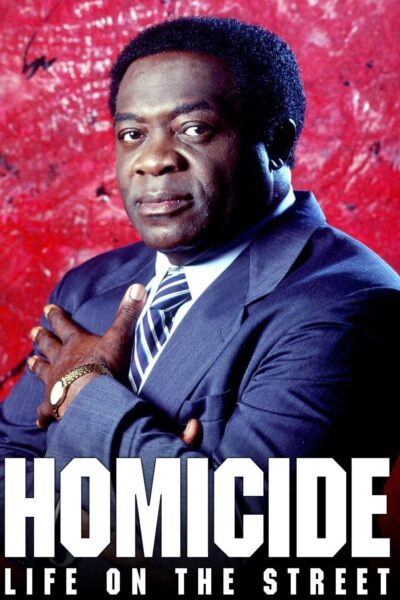
by Jake Pitre
How do we come to terms with the undeniable pleasures of this blatantly ideological genre?
“Homicide: Life on the Street” and the Perverse Pleasures of Copaganda
How do we come to terms with the undeniable pleasures of this blatantly ideological genre?
-
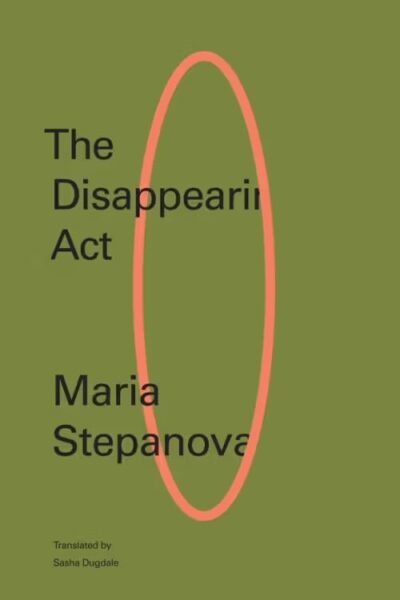
by Konstantin Mitroshenkov
Hundreds of eyes are looking at her, seeing not the novelist but some other unknown person
The Disappearing Act – Maria Stepanova
Hundreds of eyes are looking at her, seeing not the novelist but some other unknown person
-
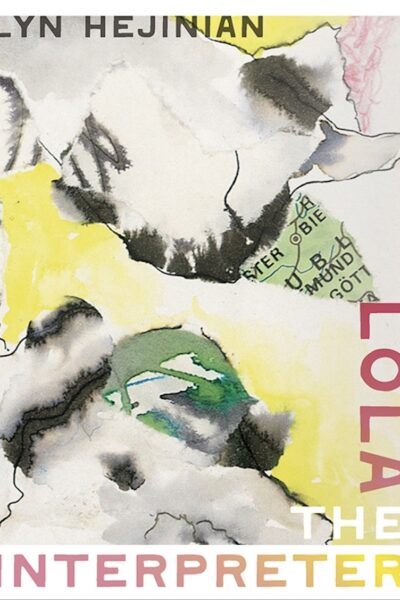
by Anna Zumbahlen
In Hejinian’s syntax of personhood within and around community, the self fits in only precariously among others.
Lola the Interpreter – Lyn Hejinian
In Hejinian’s syntax of personhood within and around community, the self fits in only precariously among others.
-

w/ Sam Karagulin
The project became much more interesting to me as a novel, as satire, and as something with a lot of psychoanalytic dimensions, around the melancholic incorporation of voices of people whose politics we deeply reject.
Jordy Rosenberg
The project became much more interesting to me as a novel, as satire, and as something with a lot of psychoanalytic dimensions, around the melancholic incorporation of voices of people whose politics we deeply reject.
-
by Konstantin Mitroshenkov
Hundreds of eyes are looking at her, seeing not the novelist but some other unknown person
The Disappearing Act – Maria Stepanova
Hundreds of eyes are looking at her, seeing not the novelist but some other unknown person
-
by Anna Zumbahlen
In Hejinian’s syntax of personhood within and around community, the self fits in only precariously among others.
Lola the Interpreter – Lyn Hejinian
In Hejinian’s syntax of personhood within and around community, the self fits in only precariously among others.
-
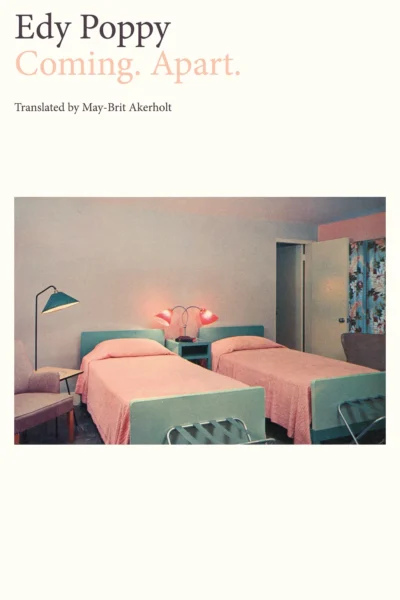
by Morgan English
Within each coupledom, clothing represents a tug of war for power
Coming. Apart – Edy Poppy
Within each coupledom, clothing represents a tug of war for power
-

by Lisa Higgs
Who wants to simply disappear, no longer an individual but only an undefined part of some larger, homogenous body?
whitewards – Katarína Kucbelová
Who wants to simply disappear, no longer an individual but only an undefined part of some larger, homogenous body?
-
w/ Sam Karagulin
The project became much more interesting to me as a novel, as satire, and as something with a lot of psychoanalytic dimensions, around the melancholic incorporation of voices of people whose politics we deeply reject.
Jordy Rosenberg
The project became much more interesting to me as a novel, as satire, and as something with a lot of psychoanalytic dimensions, around the melancholic incorporation of voices of people whose politics we deeply reject.
-
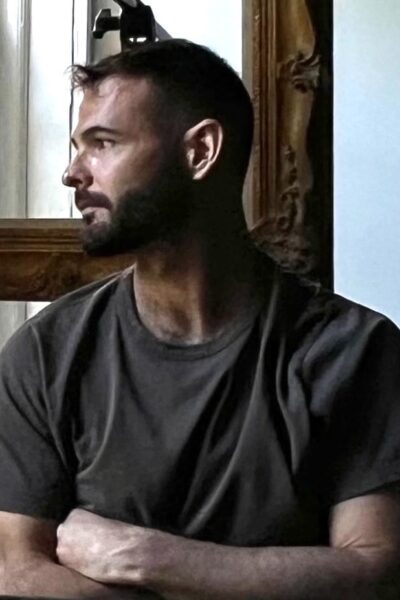
w/ Hannah Liberman
I like that idea that forgetting can be generative. And I would add that forgetting is sometimes necessary to learning, to change.
D.S. Waldman
I like that idea that forgetting can be generative. And I would add that forgetting is sometimes necessary to learning, to change.
-

w/ Maria Kuznetsova
The Lenin mummy has been lying in the mausoleum on Red Square for more than a hundred years now, after all.
Svetlana Satchkova
The Lenin mummy has been lying in the mausoleum on Red Square for more than a hundred years now, after all.
-

w/ Miaad Banki
If there is one place where one must not censor oneself, it is in art, isn’t it? If there is one place where there should be no social punishment, it is in art.
Ariana Harwicz
If there is one place where one must not censor oneself, it is in art, isn’t it? If there is one place where there should be no social punishment, it is in art.
-
by Jake Pitre
How do we come to terms with the undeniable pleasures of this blatantly ideological genre?
“Homicide: Life on the Street” and the Perverse Pleasures of Copaganda
How do we come to terms with the undeniable pleasures of this blatantly ideological genre?
-
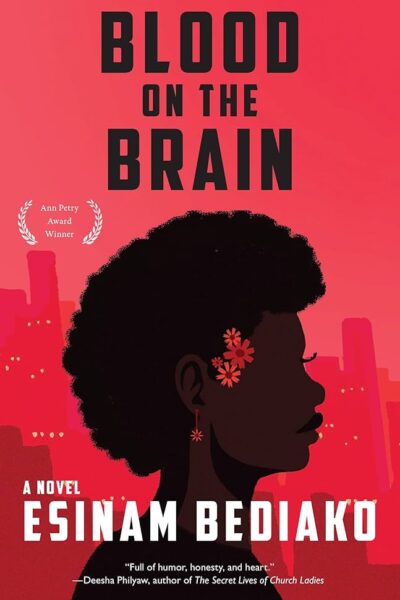
by Amoye Favour
There’s a temptation, when we talk about illness and disability in fiction, to treat the body as either a tragic backstory or an inspirational obstacle course. These novels do something else.
Traumatic Brain Novel: Debut Fiction from Esinam Bediako and Stacy Nathaniel Jackson
There’s a temptation, when we talk about illness and disability in fiction, to treat the body as either a tragic backstory or an inspirational obstacle course. These novels do something else.
-
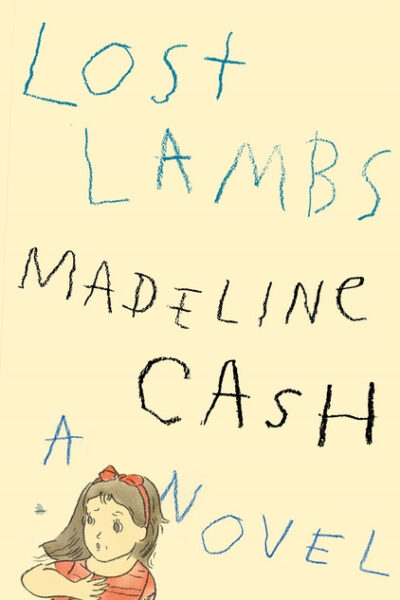
by Mia Foster
As our attention spans dwindle and our phones loom over our everyday experiences, we are increasingly demanding that novels capture our attention in the same way.
Printing Out the Internet: On Madeline Cash’s “Lost Lambs”
As our attention spans dwindle and our phones loom over our everyday experiences, we are increasingly demanding that novels capture our attention in the same way.
-

by Noah Berlatsky
Who keeps us safe all those nights? We do, by the stories we tell and the stories we cut apart, with chainsaws and with hearts.
Hearts, Chainsaws, and Poetry: On Elizabeth R. McClellan’s “Is My Chainsaw a Heart: 13 Centos”
Who keeps us safe all those nights? We do, by the stories we tell and the stories we cut apart, with chainsaws and with hearts.
-

by Michael Schapira
The following playlist is humbly submitted for your listening pleasure from Full Stop, your full service literary journal. In
20 4 420: Irie Edition
The following playlist is humbly submitted for your listening pleasure from Full Stop, your full service literary journal. In
-
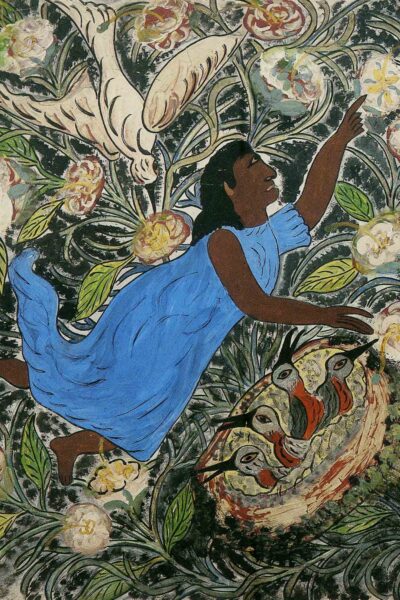
by The Editors
This special issue of the FULL STOP QUARTERLY will aim to hold folklore as a prism through which to view connection, the self, and the future. . . . It will explore folklore in and as literature, as process, and as performance.
Call for Pitches
This special issue of the FULL STOP QUARTERLY will aim to hold folklore as a prism through which to view connection, the self, and the future. . . . It will explore folklore in and as literature, as process, and as performance.
-
by The Editors
In times like ours, times of fracture, depravity and upheaval—times which are really not that different than any other time on earth, except for the speed and scale at which violence is exercised—what is the value of art?
Call for Pitches
In times like ours, times of fracture, depravity and upheaval—times which are really not that different than any other time on earth, except for the speed and scale at which violence is exercised—what is the value of art?
-

by Michelle Chan Schmidt
Read the introduction to our latest issue of the Full Stop Quarterly, “Literary Dis(-)appearances in (Post)colonial Cities.”
Dis(-)appearing Cities or: How I Learned to Stop Walking and Love the Empire
Read the introduction to our latest issue of the Full Stop Quarterly, “Literary Dis(-)appearances in (Post)colonial Cities.”