

The American Soldier in Arab Novels
Iraqi writers, by and large, have created worlds where the soldier’s perspective, either Iraqi or foreign, isn’t primary.

Where the Bird Disappeared – Ghassan Zaqtan
Time isn’t linear, and it’s in this way that the book resists both nationalist and anti-nationalist narratives about how a Palestinian people have progressed or failed.

Familiar Things – Hwang Sok-Yong
FAMILIAR THINGS by renowned South Korean author Hwang Sok-Yong offers a vivid reminder that our mountains of detritus are also a human issue.

I’ve been thinking about death a lot. It’s hard not to when you’re carrying around a small, black volume wearing its name.
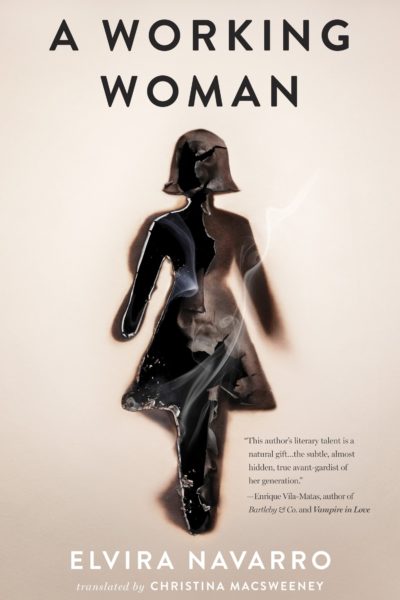
A Working Woman – Elvira Navarro
A review must mostly just be a curved letter to the author.
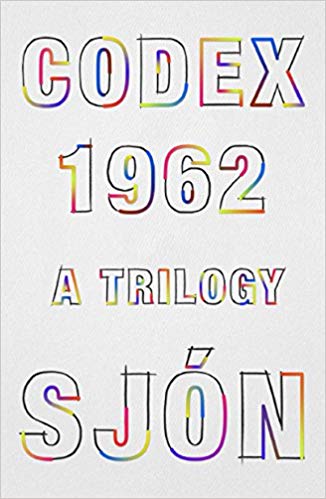
It’s easy to forget that stories are rarely the work of any individual, but part of a collective process of telling and retelling — borrowing, alluding or stealing. There’s reason to be hopeful.
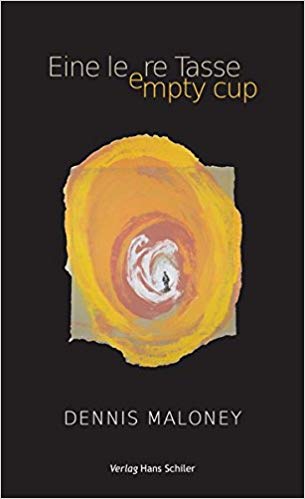
Language, poetry, and the act of translation are, then, inherently communal acts because they all involve ways of knowing one’s self, sharing that self, and as a result, eliminating a sense of otherness among communities.
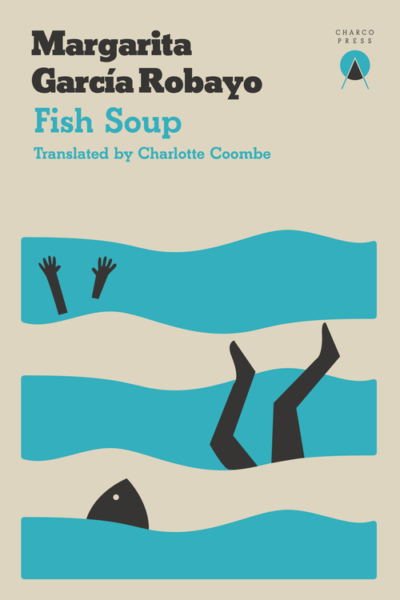
Fish Soup – Margarita García Robayo
As she deftly mobilizes themes of mobility and immobility, García Robayo demonstrates not only how circumstances catch us with little promise of release but also how we get caught up in the idea of finding a way to escape.
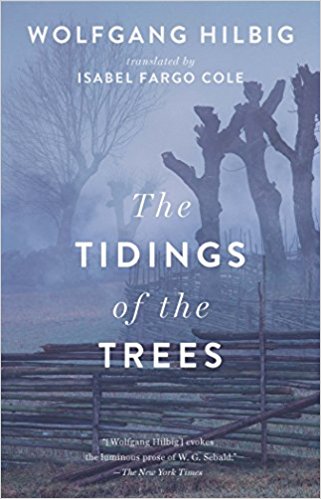
The Tidings of the Trees – Wolfgang Hilbig
Dust, bodies, and digging all have thematic importance in Hilbig’s fiction.

The throbbing pulse of the book, which ties together its many disparate and overlapping narratives, is a confrontation with the ways that self-realization can also lead to violence and the objectification of others.