

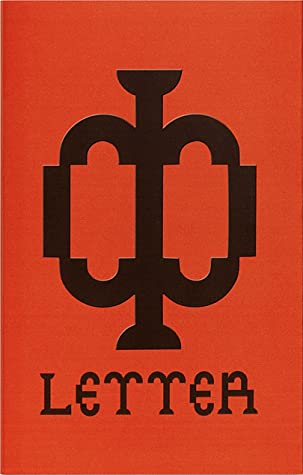
F Letter: New Russian Feminist Poetry – ed. Galina Rymbu, Eugene Ostashevsky, and Ainsley Morse
Collectively, the poets in F LETTER would doubtlessly endorse Rymbu’s all too familiar battle cry: “To make revolution with the vagina. / To make freedom with oneself.”
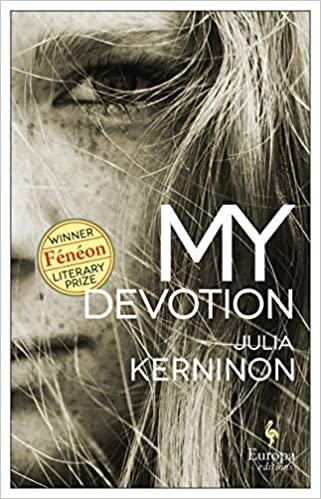
Kerninon’s novel speaks to the anxiety of what it would mean to be disappointed — a notably millennial anxiety — and it is here that she realizes a vision for the novel.
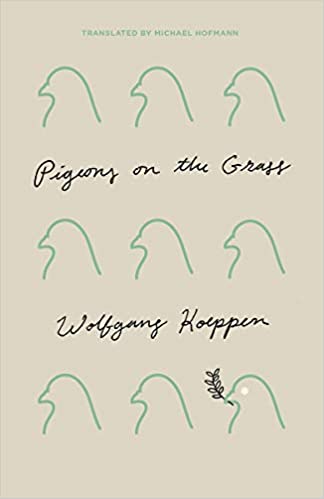
Pigeons on the Grass – Wolfgang Koeppen
Capturing a world of postwar American bravado and shaky transatlantic alliances, PIGEONS ON THE GRASS may encompass a bygone cityscape, but its inclusion of a troubled yet triumphant interracial relationship feels resonant to our current moment of international reckoning with racial injustice.
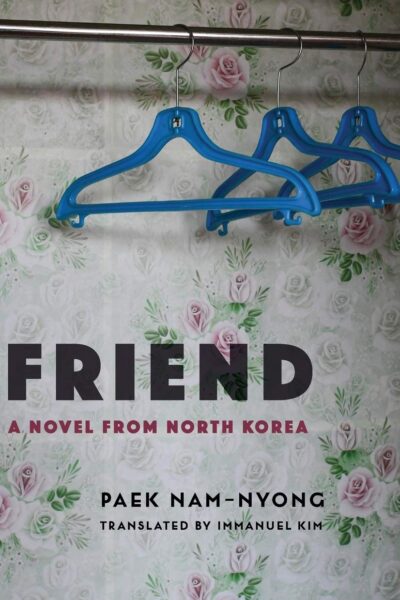
In FRIEND, Paek Nam-nyong reminds us that the local and interpersonal elements of our lives are just as real as the ideological and political, and certainly tell more about what it means to be human.
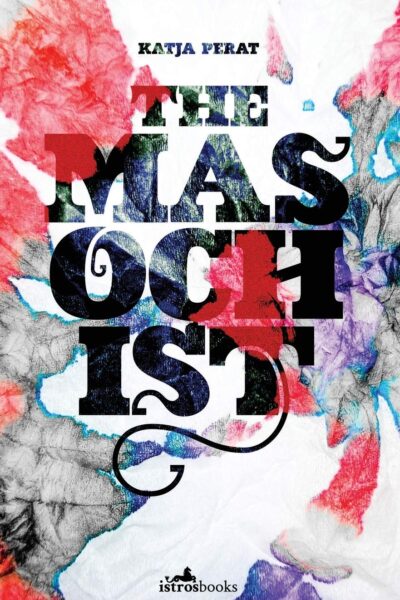
Readers of THE MASOCHIST in translation may be less aware of Perat’s poetic prose, but few are likely to experience this as something that undermines the cogency of Nadezhda Moser’s voice.
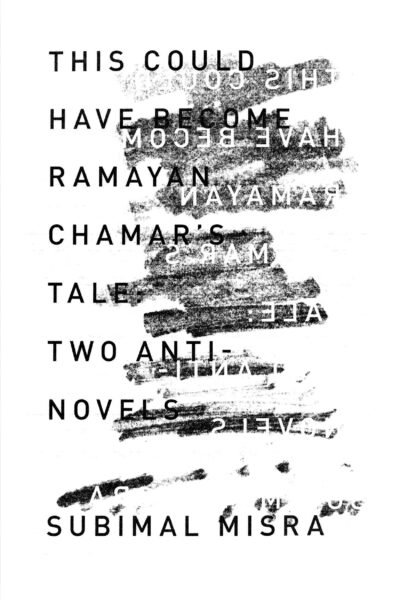
This Could Have Been Ramayan Chamar’s Tale – Subimal Misra
As Subimal Misra’s fiction demonstrates, there can be no definitive answer to the question of what makes a novel a novel — only as many possibilities as we imagine.
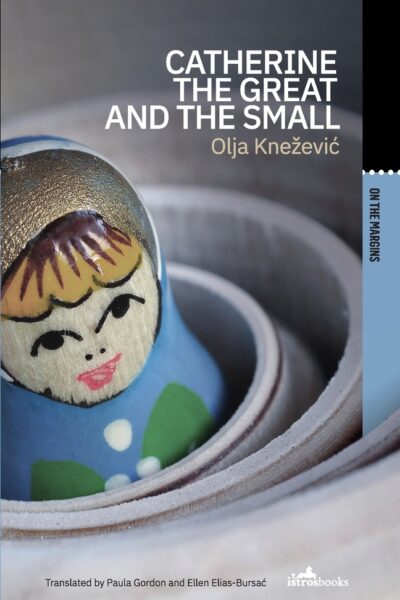
Catherine the Great and the Small – Olja Knežević
Knežević’s relentless chronicling of the ravages of heterosexuality and women’s centering of men invites us to read the novel as a quiet act of queer subversion in a hostile Eastern European climate.
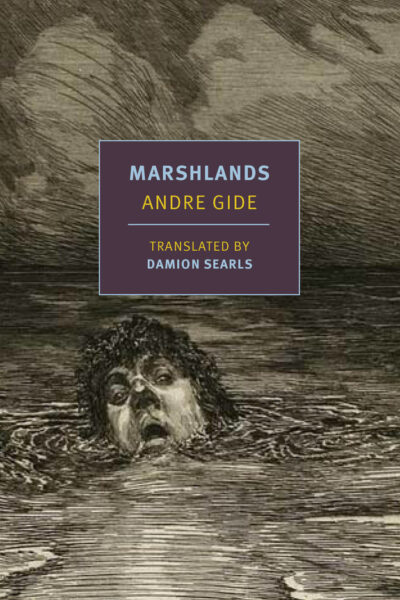
Andre Gide invites the reader’s doubt into the ability of the novelist (both himself and his narrator) to control the meaning of his novel.
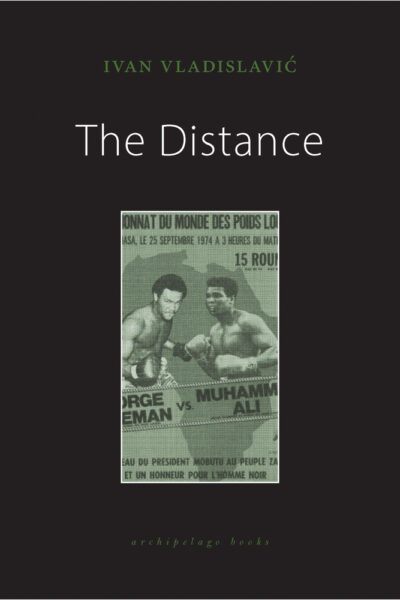
The Distance – Ivan Vladislavić
His interest in the potential of the fragment as a form of fiction that bears witness to political truth, is ever yielding.
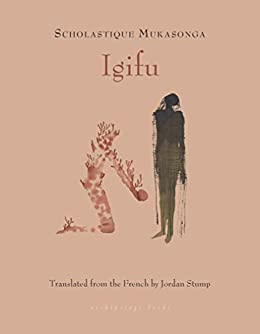
Igifu – Scholastique Mukasonga
As her characters find themselves unable to articulate what has transpired, her stories verbalize the horror of genocide in ways drastically abstract, beautifully and imaginatively rendered.