

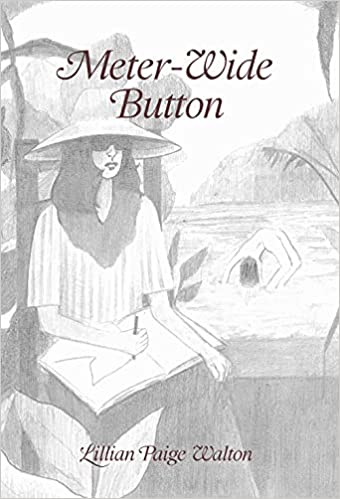
Meter-Wide Button – Lillian Paige Walton
Walton joins the ranks of other contemporary writers toying with surrealism, turning it anew.
The cascading, scattered quality of the novel imitates the patterns of actual thought.
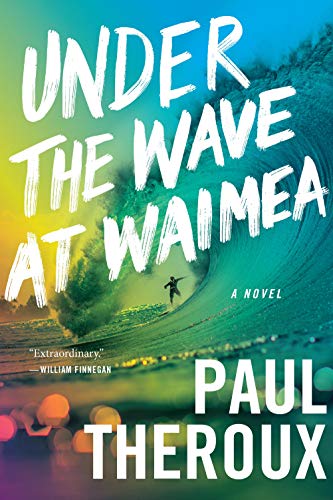
Under the Wave at Waimea – Paul Theroux
If more readers both learned and otherwise knew how to take his imagination’s curious, off-kilter offerings, Paul Theroux’s name would be higher on that ranking’s leader board than it currently is.
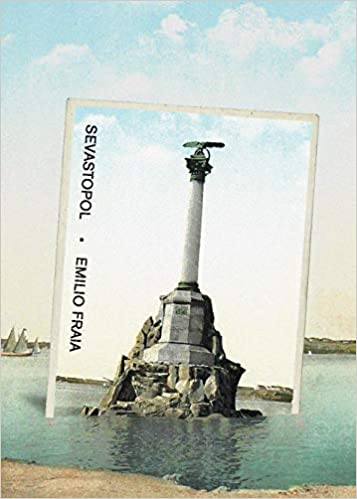
There is something anti-story in every story, where the force pushing towards narrative resolution is challenged by a slightly ethereal centrifugal drift which slows, and maybe even reverses, that centripetal approach.
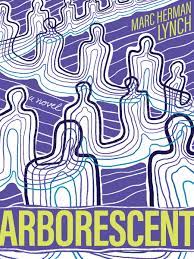
Arborescent – Marc Herman Lynch
Marc Herman Lynch’s ARBORESCENT luxuriates in the space between the familiar and the fantastic, dipping into both ends of the spectrum to paint a richly layered contemporary folk tale.
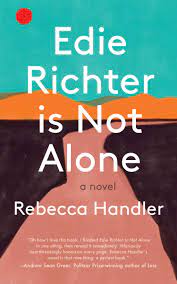
Edie Richter is Not Alone – Rebecca Handler
There is the belief that a person needs to have hit rock bottom in order to recover, but only a talented author, like Rebecca Handler, can show us what that looks like in gritty, realistic and darkly hilarious detail.
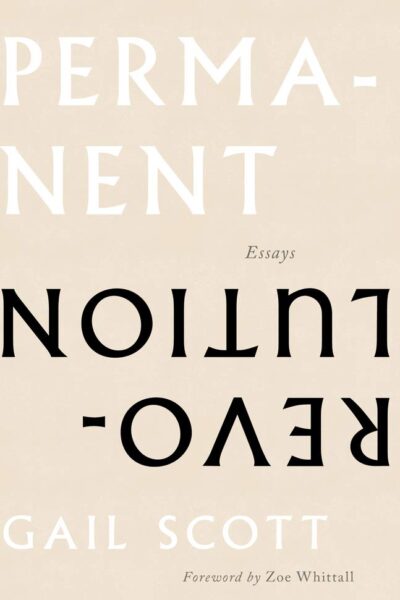
Permanent Revolution – Gail Scott
Gail Scott envisions an active meaning, sentence, and subject-in-becoming that wrestles in continuous interplay with the wider ecology around it.
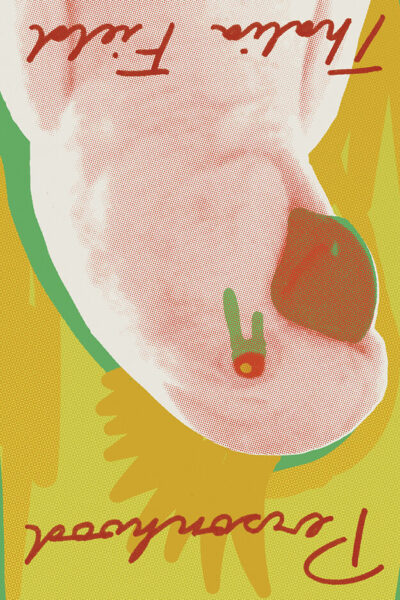
In an attempt to uncenter the human — and any center, for that matter — Field replaces hierarchy with an ecology.
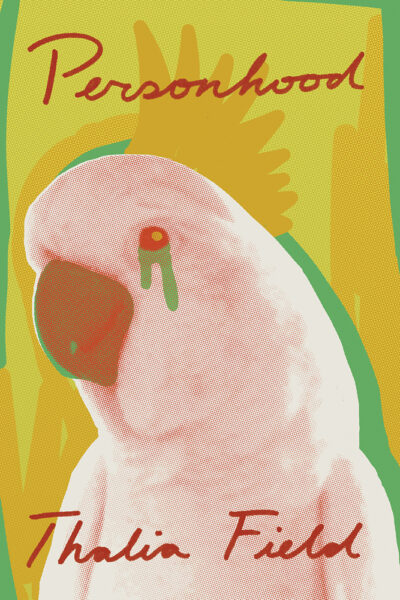
PERSONHOOD suggests that Thalia Field’s audacious verbal imagination has started to become merely the available instrument for promulgating an increasingly familiar message.
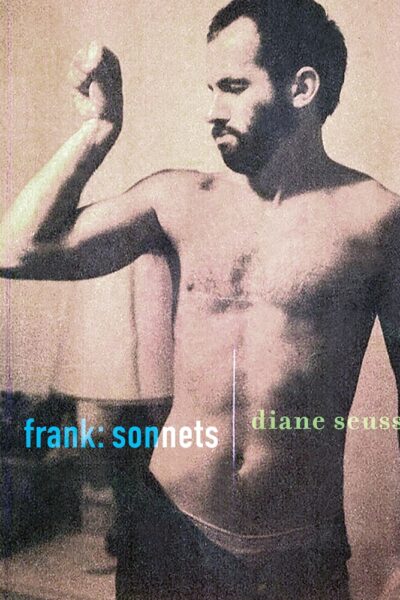
In frank: sonnets, Seuss inextricably ties herself to her poetic voice, revealing childhood memories and adult indiscretions with fierce bluntness.