

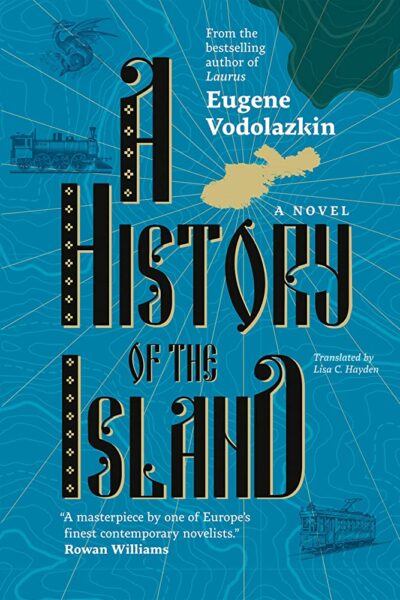
A History of the Island – Eugene Vodolazkin
Looming large in the minds of the citizens is a prophecy of final doom by Agafon the Forward-Looking, recurring in moments of political instability.
When disabled writers are often expected to display the most personal aspects of their bodies for the consumption of able-bodied readers, Muenz rejects self-objectification in favor of a deeper form of seeing and being seen.
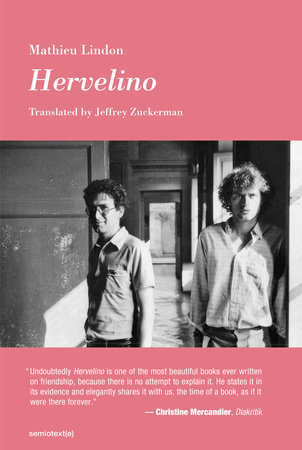
For an elegiac work, Hervelino has little in the way of lamentation or solace. “Death was there, there was no theorizing it or solving it.”
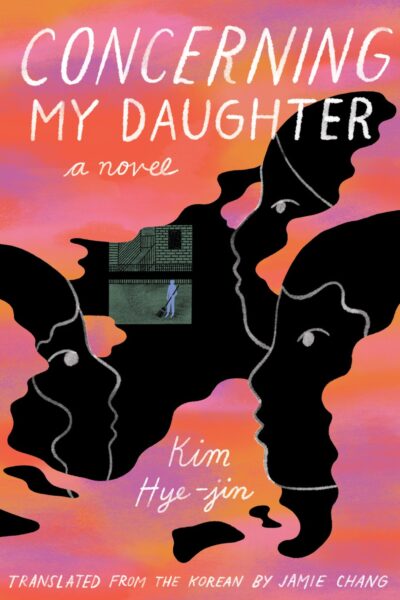
Concerning My Daughter – Kim Hye-jin
Tightly structured, carefully crafted . . . no word, symbol, metaphor, or nuance is wasted.
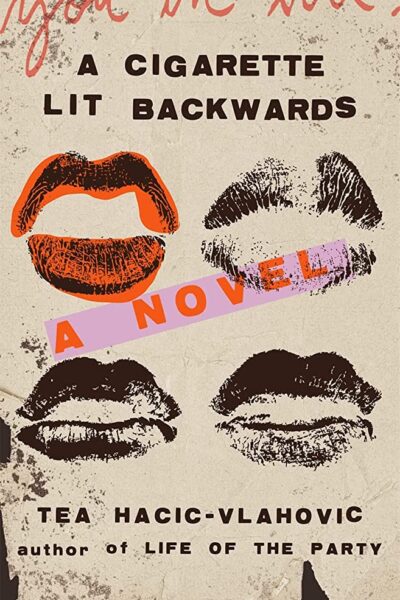
A Cigarette Lit Backwards – Tea Hacic-Vlahovic
I was, in my own JNCO ways, very much like Kat and maybe you were, too.
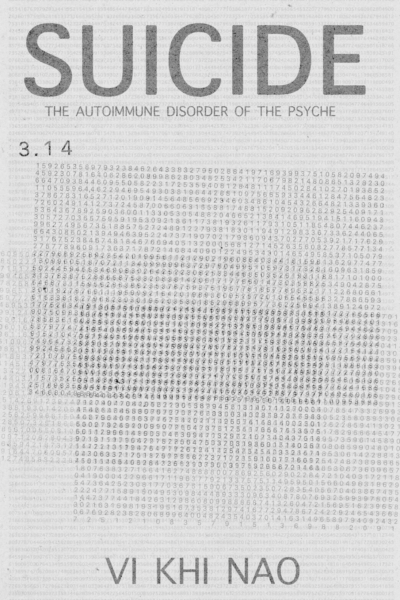
Suicide: The Autoimmune Disorder of the Psyche – Vi Khi Nao
Suicide: The Autoimmune Disorder of the Psyche is brutal—so brutal that one wonders how its author survived to write it.
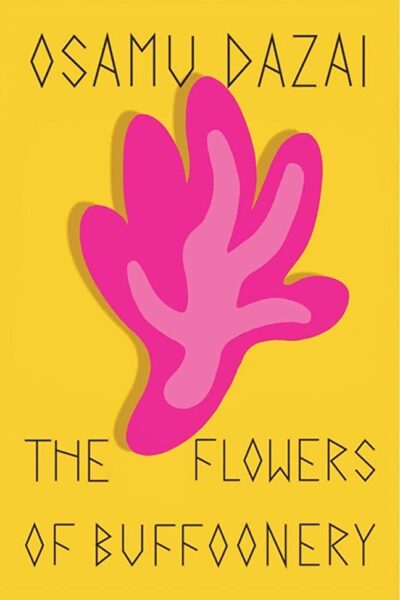
The Flowers of Buffoonery – Osamu Dazai
This creator of moody, Dostoevskian heroes—toeing the line between brutality and beauty, cynicism and élan—has the kind of biography that threatens to overshadow the work itself, and that’s before you realize that most of what Dazai wrote is taken to be autobiographical.
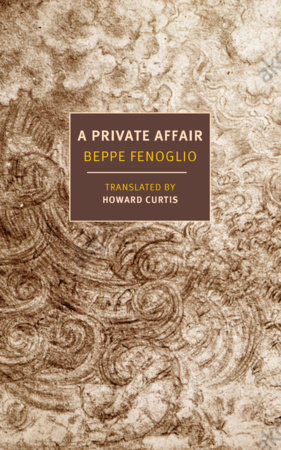
A Private Affair – Beppe Fenoglio
In Fenoglio’s narrative of war, everyone is equally dehumanized and every story equally absurd.
The book asks the reader to reflect on the cost of indifference to the world, particularly as the state translates human life into the abstractions necessary for bureaucratic processing.
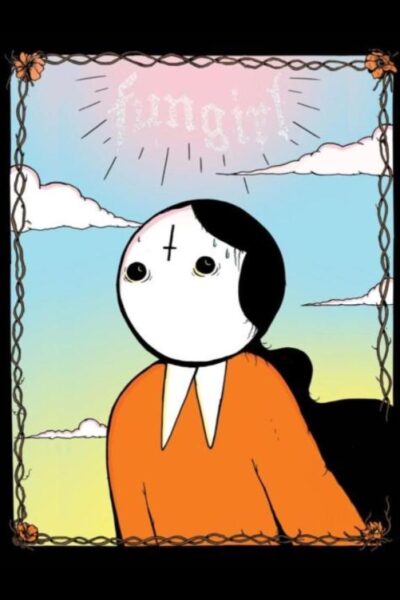
Fungirl doesn’t care: “Wholesome” is “nauseating.”