

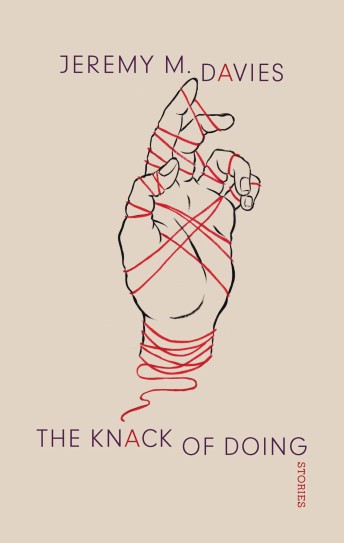
The Knack of Doing – Jeremy M. Davies
In fiction, it’s more fun when the watch, after pages and pages of diligent ticking, explodes, starts screaming, or shoots poop out of its dial — does something, anything, to upend the pattern or upset the conceit.
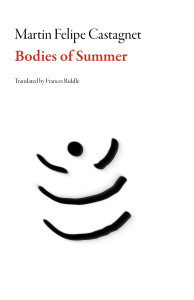
Bodies of Summer – Martin Felipe Castagnet
At its best Castagnet’s debut work artfully skirts overt philosophizing about mind-body relations and necropolitics, keeping this slim speculative novel at an athletic pace and leaving ample room for us to explore its marvelous world for ourselves.
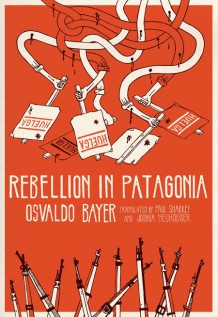
Rebellion in Patagonia – Osvaldo Bayer
Rebellion in Patagonia revealed a tragedy of the highest order, no doubt. But it’s in the story of the book and what happened to its author that we find the farce.
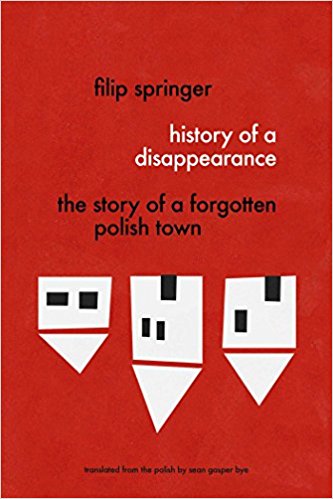
History of a Disappearance – Filip Springer
Springer’s history is simply a “beast,” sometimes slumbering, but more often fiercely awake.

Field Glass – Joanna Ruocco and Joanna Howard
Howard and Ruocco suggest that communication breakdown — collectives living together in ignorance of each other’s meanings — is what draws lines between enemies.
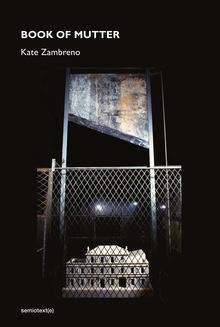
Book of Mutter – Kate Zambreno
This possibility of recognition — of really seeing, of really being seen — persists as long as someone is alive. But once they’re gone, how do we speak of and to the dead?
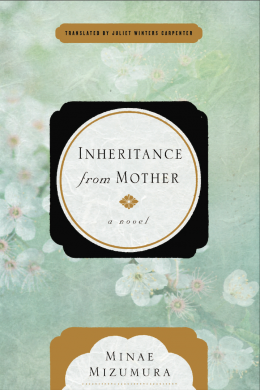
Inheritance from Mother – Minae Mizumura
The novel’s power, in large part due to its sequencing of events, lies in the sense that the first chapter’s point of jadedness becomes inevitable, a naturally unnatural response to a lifetime of thwarted dreams.
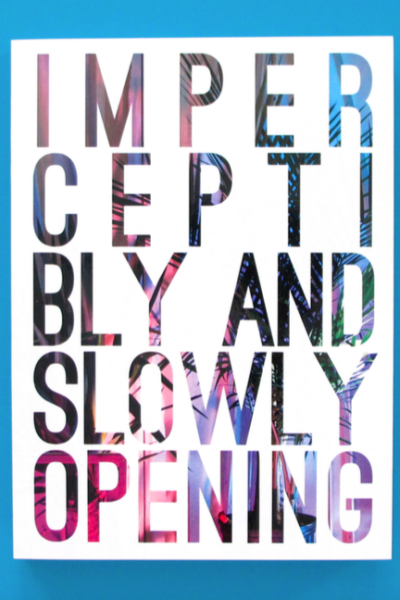
Imperceptibly and Slowly Opening – ed. Caroline Picard
IMPERCEPTIBLY AND SLOWLY OPENING is strongest when it decenters humans without erasing that human/plant interactions are a result and reflection of power.
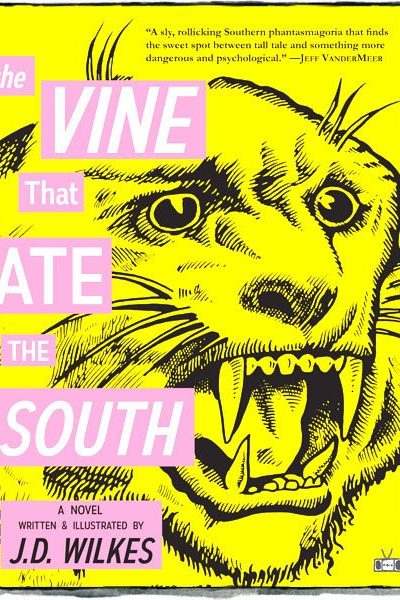
The Vine That Ate the South – J.D. Wilkes
THE VINE THAT ATE THE SOUTH is more conversion narrative than odyssey, and more tall tale than either, filled with a twisty, tongue-in-cheek lyricism that calls to mind a Weird Twain.
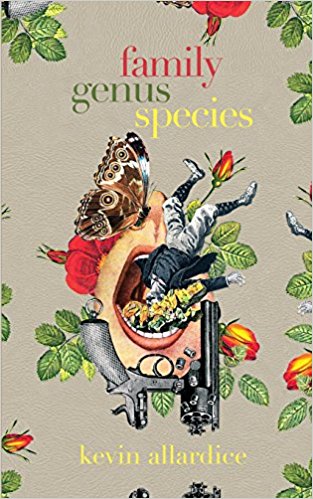
Family, Genus, Species – Kevin Allardice
Allardice’s deft novel is deceptively complex, layered not simply with satire, but with emotional revelations about family, community, sexuality, parenthood, race, and class