

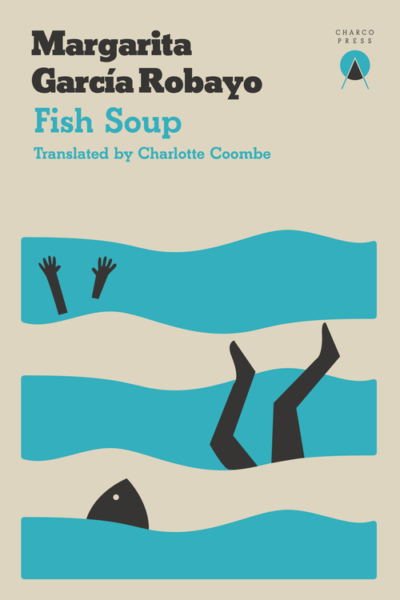
Fish Soup – Margarita García Robayo
As she deftly mobilizes themes of mobility and immobility, García Robayo demonstrates not only how circumstances catch us with little promise of release but also how we get caught up in the idea of finding a way to escape.
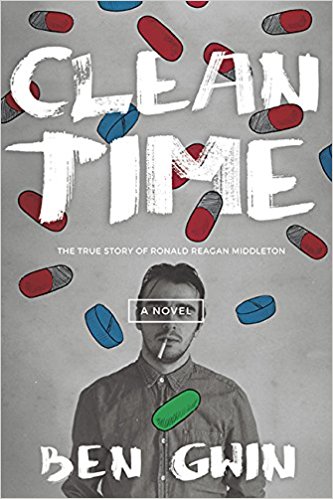
Clean Time: The True Story of Ronald Reagan Middleton – Ben Gwin
As the endless 24-hour news cycle increasingly feels like performance for profit rather than reporting, CLEAN TIME: THE TRUE STORY OF RONALD REAGAN MIDDLETON rings true with its deft prescience.

Etel Adnan gets at reality by melting into the world around her, she lets herself be subsumed by nature, welcomes mountains and waves.

These writers force the dolls into utterance until they become spiritual interlocutors reporting on the mysteries of the human condition.
Trash Mountain – Bradley Bazzle
Having an enemy — that is, something towards which to direct his anger — is, in this way, Ben’s saving grace.
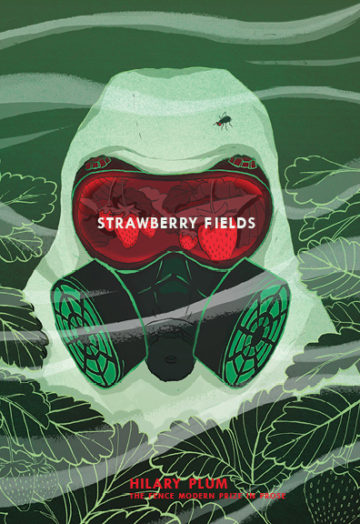
Strawberry Fields – Hilary Plum
If STRAWBERRY FIELDS deflects some of our attention away from the usual interest in plot and character, its formal arrangement deftly reinforces its ethical ambitions.
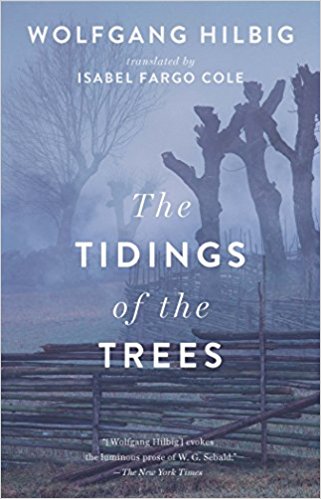
The Tidings of the Trees – Wolfgang Hilbig
Dust, bodies, and digging all have thematic importance in Hilbig’s fiction.
Ursula K. Le Guin: Conversations on Writing – Ursula K. Le Guin and David Naimon
The book feels intended as a portal through which many future readers will pass, not only on into the many works of Ursula Le Guin, but from them out onto the way and from there who knows toward what other worlds.

The throbbing pulse of the book, which ties together its many disparate and overlapping narratives, is a confrontation with the ways that self-realization can also lead to violence and the objectification of others.
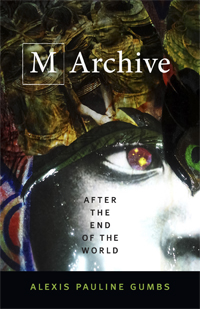
M Archive: After the End of the World – Alexis Pauline Gumbs
Emitting Afrofuturism and centering black female imagination, M ARCHIVE embodies critical future writing now.