


Ctasy, -of shapes off shore – John Pætsch
CTASY, -OF SHAPES OFF SHORE, is a confrontation, each poem subverts expectations, challenging the reader’s perceptions and understandings of form.
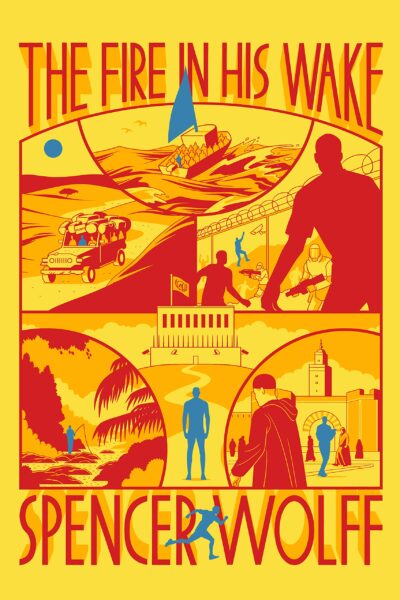
The Fire In His Wake – Spencer Wolff
The gargantuan complexity of the human issues at the novel’s heart is a good reminder of the importance of storytelling that is honored and not coerced, believed and not picked apart.
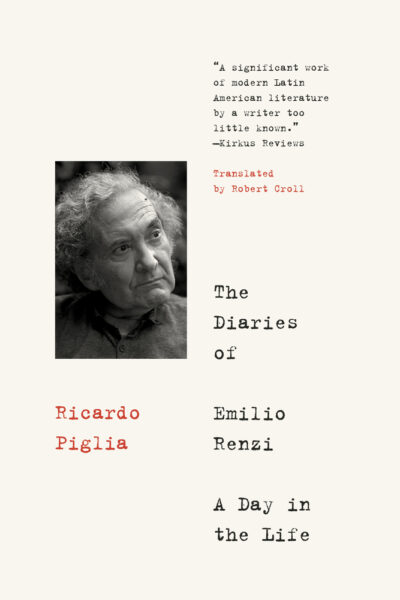
The Diaries of Emilio Renzi: A Day in the Life – Ricardo Piglia
His diaries offer a further, and perhaps more fundamental, opportunity to see Piglia exploring his obsession with impressions, and distorted impressions, a replaying of events and conversations.

It expertly weaves its politics into a psychologically complex story that centers a character, and her desires, frustrations, and emotions, who is not commonly represented in either Colombian or international literature.
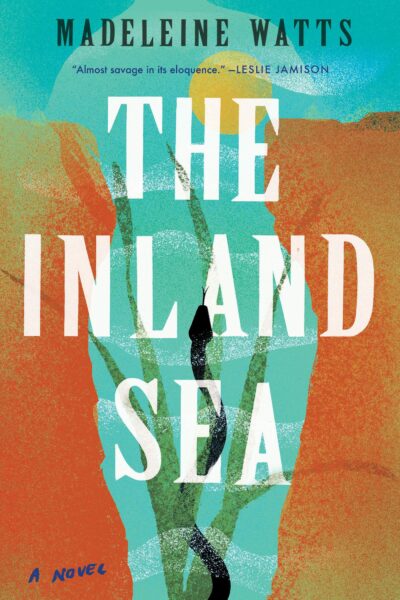
The Inland Sea – Madeleine Watts
The Inland Sea demonstrates both what realist fiction can offer, as we try harder to grapple with climate crisis, and what it can’t.
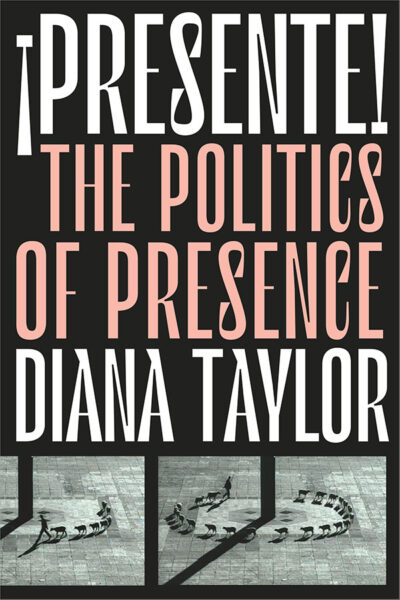
¡Presente!: The Politics of Presence – Diana Taylor
Arguably, much of what is beguiling in Diana Taylor’s approach lies in her refusal to be defeated by the negative dimension of critique; rather, she embraces a relationship with political failure, by focusing precisely on what such failure might produce.
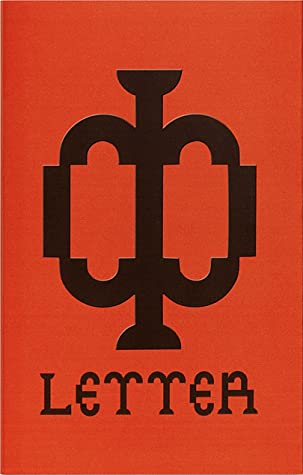
F Letter: New Russian Feminist Poetry – ed. Galina Rymbu, Eugene Ostashevsky, and Ainsley Morse
Collectively, the poets in F LETTER would doubtlessly endorse Rymbu’s all too familiar battle cry: “To make revolution with the vagina. / To make freedom with oneself.”
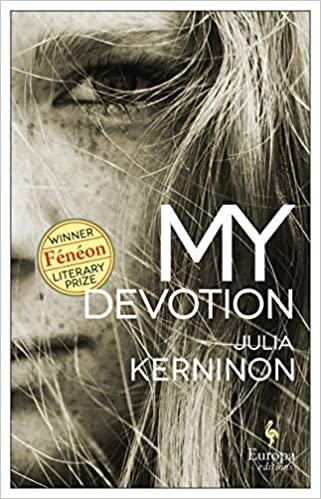
Kerninon’s novel speaks to the anxiety of what it would mean to be disappointed — a notably millennial anxiety — and it is here that she realizes a vision for the novel.
Language in Affiliate Modes: Twenty Capsule Reviews
Much of art consists in encouraging ourselves and others to not die, despite the world’s weight.
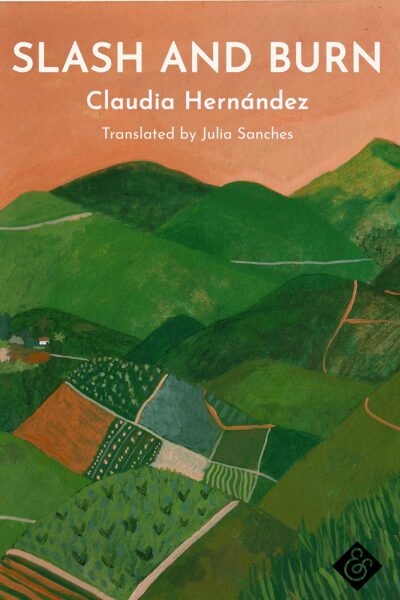
Slash and Burn – Claudia Hernández
Slash and Burn blurs the defined parameters of literary narratives of war, and the idea that violence has a clear beginning and endpoint, to create a searing vision of a “post-conflict” society and the quiet struggles of its ordinary members.