

What Are Poets For? – Gerald L. Bruns
Bruns does not provide an answer to the question of what poets are for, but he does provide an extended answer to the question of what poets do: a great many things, in a great many ways.
A brief, slashing incision deep into the fasciae of postmodern society.

While much contemporary experimental fiction concentrates on the failures of human communication — the liminal spaces — Gamboa seems more interested in how we finally succeed in sharing with each other.
Memoirs of a Revolutionary – Victor Serge
The revolutionary without power or hope ends as a witness to revolutions failed, in the hope that his successors will not make the same mistakes.
How Should a Person Be? – Sheila Heti
If How Should a Person Be? was less ambitious, it might be easier for older people (and men, perhaps) to take seriously.
Dublinesque – Enrique Vila-Matas
See there!, cries the reader, The author! Peeking out from his natural habitat!
This Bright River – Patrick Somerville
“Here is something,” the reader is told repeatedly, as if about to be handed a gift.
Like a generous spouse, Gone Girl gives everything a reader could want from a mystery novel.
A Breath of Life – Clarice Lispector
Reading A Breath of Life, we feel Time (or God, or Lispector herself) passing.
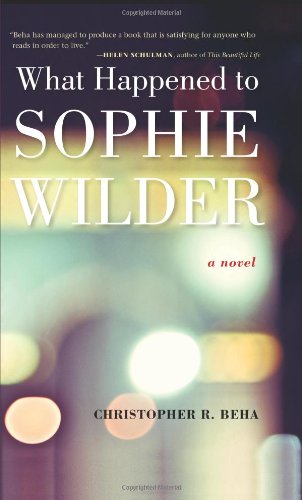
What Happened to Sophie Wilder – Christopher R. Beha
Filled with characters who live and breathe literature, the novel buzzes like a late-night conversation, dizzy with ideas.