

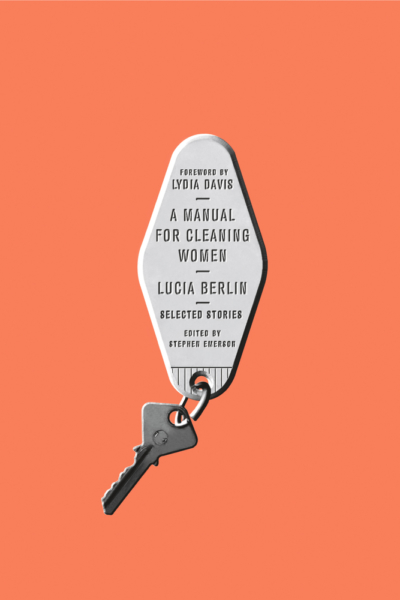
A Manual for Cleaning Women – Lucia Berlin
Berlin’s stories examine the consequences of living as if one were free when one is, because female, necessarily not.
Somewhere in the fibers of the book’s skeleton, there is a legitimate philosophical argument about free will or a lack thereof, and in many circumstances, it might be an interesting one.
Sometimes I Lie and Sometimes I Don’t – Nadja Spiegel
There is always the sense that Spiegel’s narrators are learning and relearning the rules of propriety; that they are struggling to negotiate public expectations.
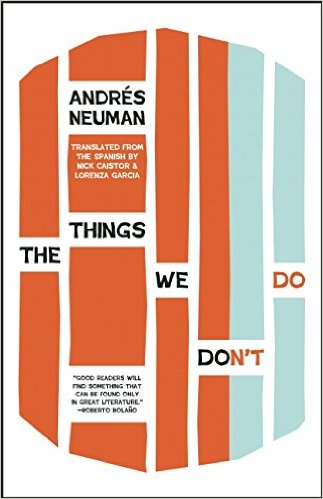
The Things We Don’t Do – Andrés Neuman
The best stories in the collection are similarly masterful examples of the short form, and beautiful expeditions into the nebulous space between self and other.
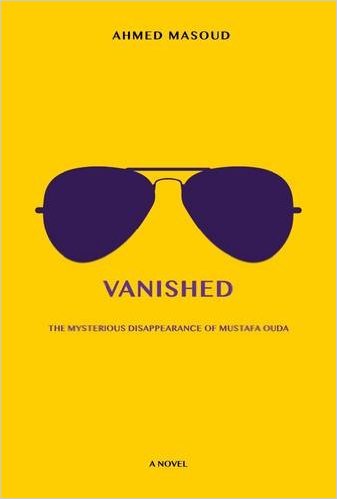
Vanished [is] a treatise on the responsibilities we have to confront the legacies of occupation, of lies, and to insist on the disclosure of history’s truths.
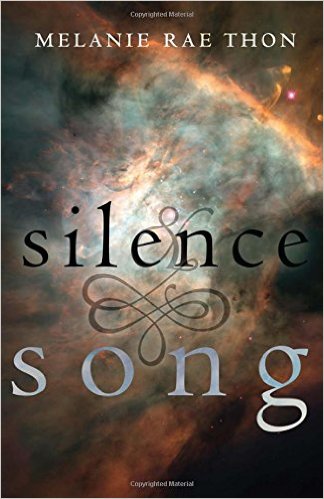
Silence and Song – Melanie Rae Thon
Silence and Song is Thon’s most radical experiment in form and lyrical expression.
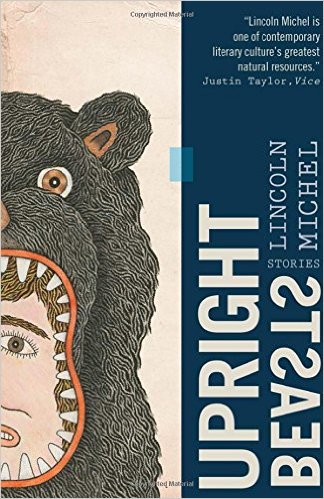
Upright Beasts – Lincoln Michel
Michel displays a Barthelmeian penchant for the absurd and a wicked dry sense of humor.
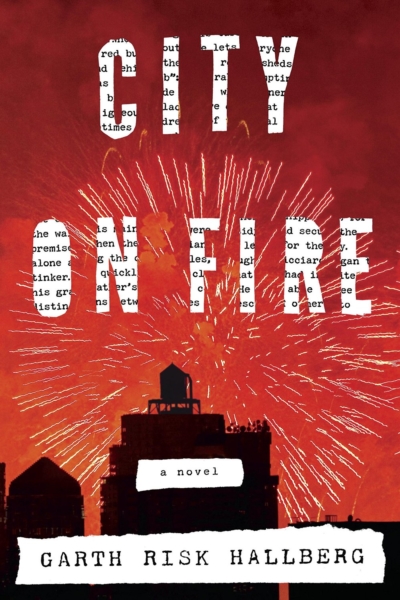
City on Fire – Garth Risk Hallberg
Hallberg has at least attempted the Great New York Novel, but Hallberg has placed too much trust in the throw-weight of his subject and his pages, so the “great” is less qualitative than quantitative.
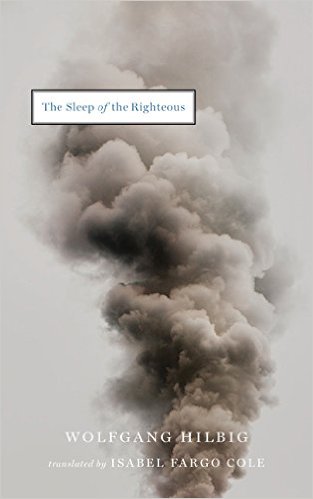
The Sleep of the Righteous – Wolfgang Hilbig
It is a real gift to English language readers that finally, albeit posthumously, we have the opportunity to discover and admire a portion of this wonderful writer’s oeuvre.
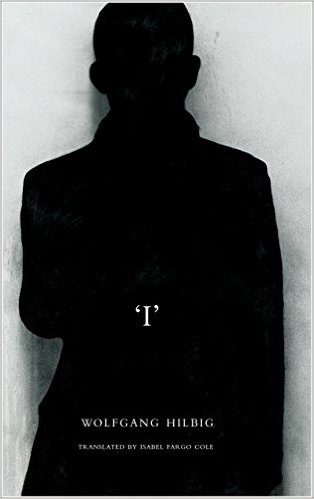
Who could imagine a US intelligence agent caring about Beckett?