

This novel reads like a master-class in workshopped excess, rattling off, with cloying exhaustiveness, every trick in the experimental fiction handbook: abruptly shifting voices, the omission of pronouns, the stylized eschewing of punctuation, relentlessly conspicuous obliquity, semi-ironic deployment of recherché archaisms, etc., etc.
This is not a fictionalized memoir of transformation and recovery, but a book that burns in your hands, something sharp and terrifying that bites back.
Companion to an Untold Story – Marcia Aldrich
In the genre of literature about suicide, Aldrich’s book distinguishes itself by avoiding the urge to put the pieces back together again.
Margaret the First – Danielle Dutton
An inspiration for how one might approach one’s life and one’s art — “rejecting any clocklike vision of the world.”
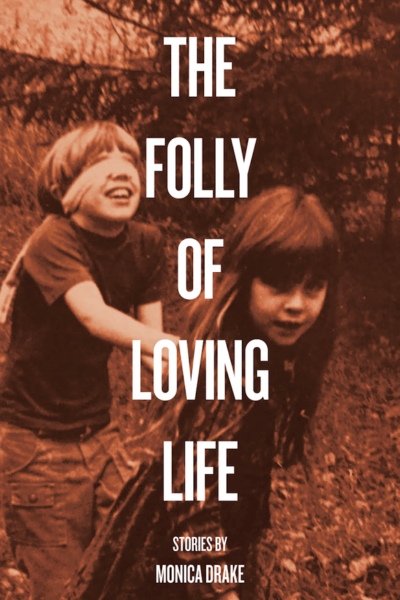
The Folly of Loving Life – Monica Drake
Drake desperately wants us to know that hipsters have colonized, but we cannot lament loss without knowing what we’ve lost.
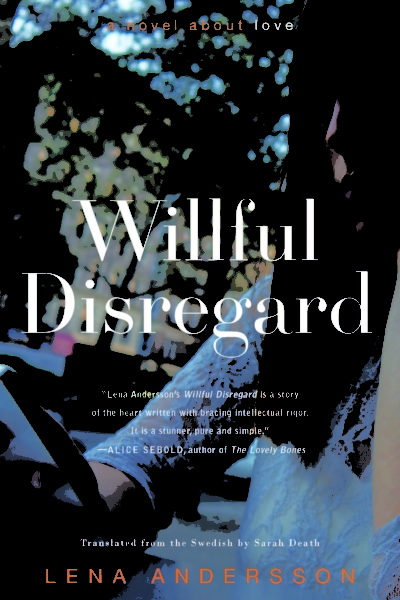
Willful Disregard – Lena Andersson
How the casual communication becomes the unanswered text, how the crush becomes unrequited love — that is, defined by lack — how someone becomes themself, alone, that phenomena deserves a novel like WILLFUL DISREGARD.
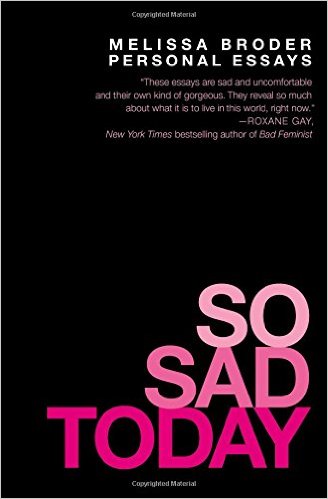
We like feelings when we can print them out, if only because it’s that much easier to pick over the scabs. That’s why I like Twitter.
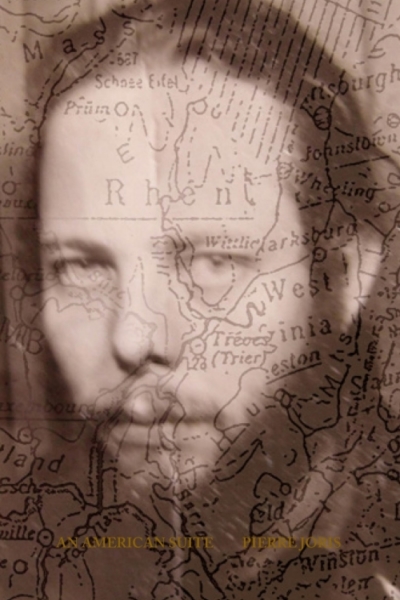
An American Suite – Pierre Joris
Joris’ un-tranquil spontaneity is effective, because it is grounded in dates and diaristic entries; I follow the linguistic digressions and am happy without cohesiveness, because they read like a sequence of thoughts during a particular hour on a particular date.
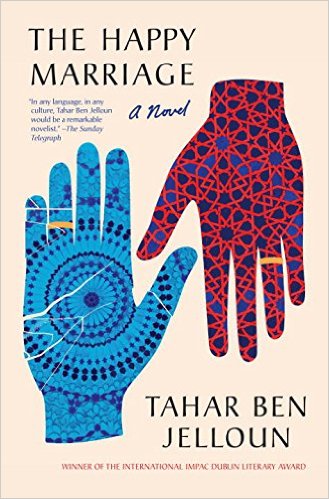
The Happy Marriage – Tahar ben Jelloun
While it’s tempting to read The Happy Marriage as a postcolonial exploration of marriage as a form of subjugation — and good deal of it is — it’s something else, too.
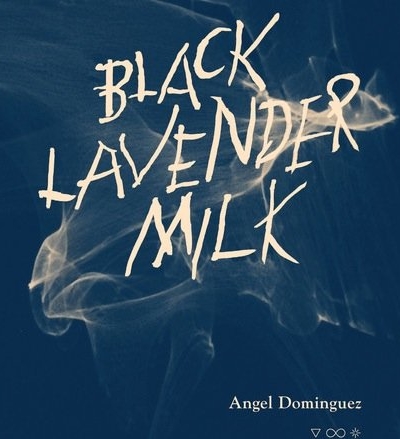
Black Lavender Milk – Angel Dominguez
Black Lavender Milk is a book haunted by itself.