

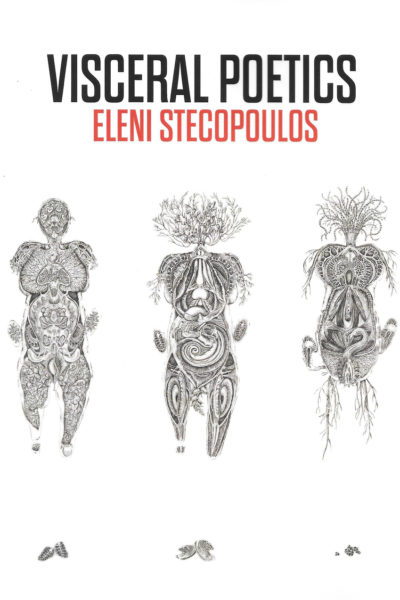
Visceral Poetics – Eleni Stecopoulos
In [Stecopoulos’] travels through health, “words, vocables, writing, and philological aura” exist as medical technology.
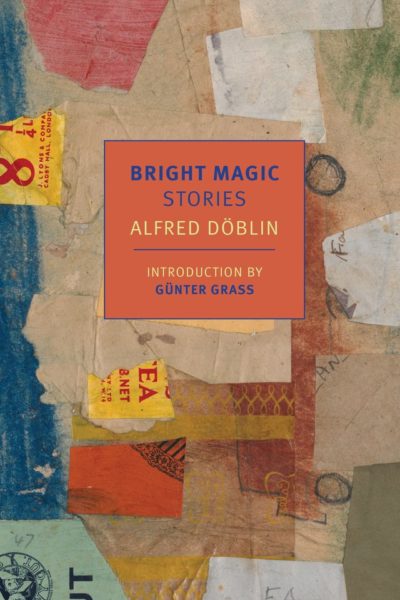
Bright Magic: Stories – Alfred Döblin
The variety of Döblin’s work may have hurt his chances at posterity, but it’s this same quality that makes BRIGHT MAGIC such a joy to read.
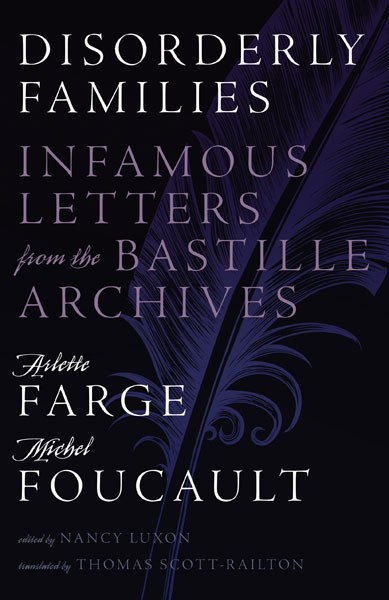
Disorderly Families – Arlette Farge & Michel Foucault
Farge and Foucault’s presentation of their findings in the Bastille archives provides a much-needed corrective to historians’ hitherto single-scale, unidirectional perspective.
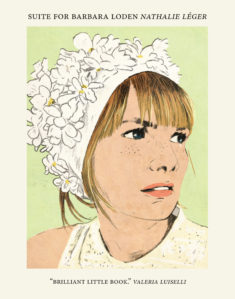
Suite for Barbara Loden – Nathalie Léger
The subdued anguish of the book resonates out from this admission, which seems central to the way violence against women is constituted: we can come to see our own bodies as not worth defending.

Memoirs of a Polar Bear – Yoko Tawada
Tawada opens a space of human-polar bear empathy and solidarity — amusing yet deeply serious.
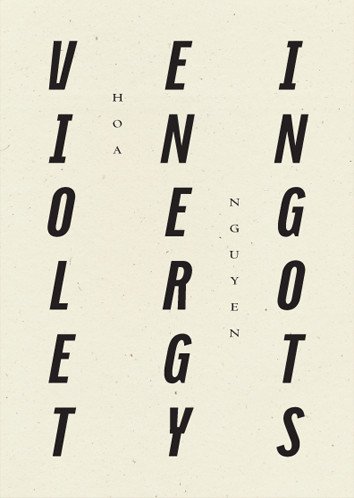
Violet Energy Ingots – Hoa Nguyen
VIOLET ENERGY INGOTS is a lesson in the poetics of disturbance.
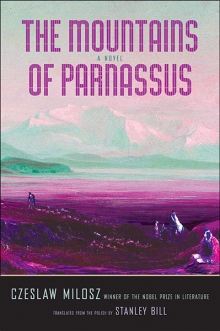
The Mountains of Parnassus – Czeslaw Milosz
As Milosz himself notes in the introduction to the text, the form of the novel evades him; in The Mountains of Parnassus, he seeks a new form of novel.
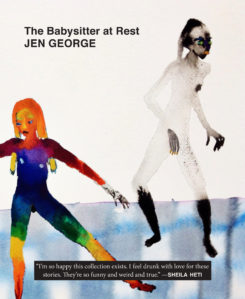
The Babysitter at Rest – Jen George
George takes us close to the absurdism of Donald Barthelme, but also the blurred distinctions between realism and science fiction that can be found in the work of Doris Lessing.
The Work-Shy – Blunt Research Group
THE WORK-SHY demonstrates what Toni Morrison calls “re-membering” in that it gives shape to the embodied lives of people who have suffered the violence of oppression even in how they are written into/out of history.
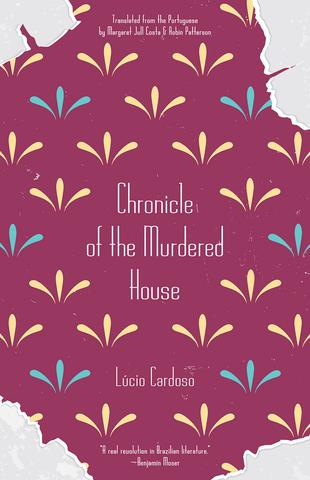
Chronicle of the Murdered House – Lucio Cardoso
Chronicle of the Murdered House earns pride of place as a classic of world literature because it is a complete novel: fully realized characters, expressive writing, an exciting, finely plotted story, and enduring reflections on the human condition.