

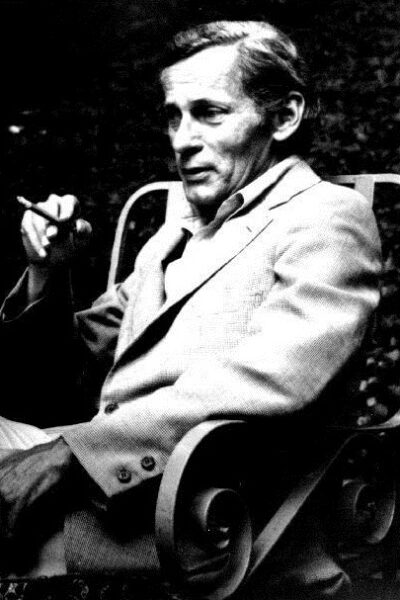
The Gaddis I like best to think of is a God-haunted aristocrat. Thrown pearl-clutching into a fallen world, he gathers himself and understands it as his task to recognize what instances of the eternal still obtain, among things melted into air.
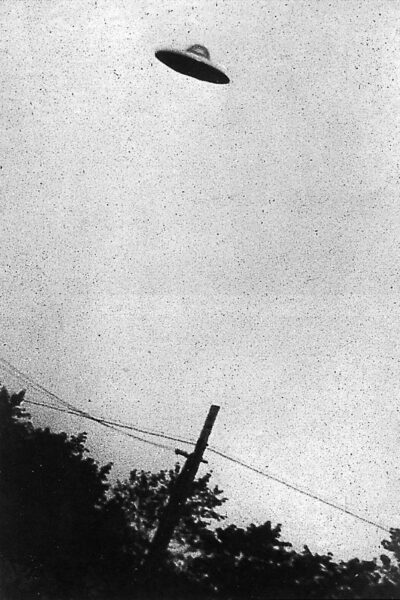
An Arc of Light Across the Cold War Sky
What began in 1947 as a largely hopeful movement defined by wonder, openness, and concern for mankind, plunged into the paranoia-fueled mire that skeptics had always assumed the UFO movement to be.

Paranoia as Resistance in Gloria Naylor’s 1996
Fake news, mass surveillance, and global pandemic aren’t mere tropes to explore the life of the mind. They are our everyday lives.

Only now, fifty years after the formal end of the Brutalist movement, does it appear in the timeline of world architecture not so much as a steppingstone but as a stumbling block.
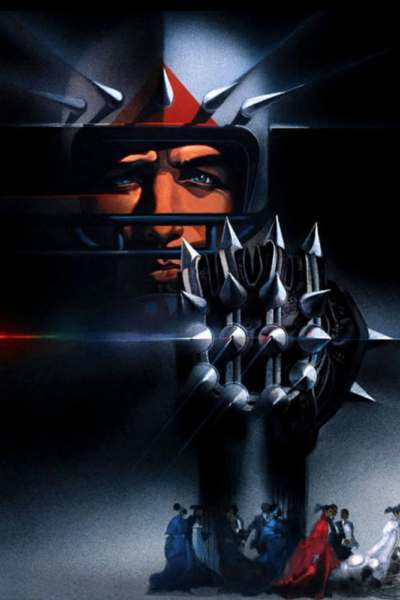
Rollerball and Death Race 2000 may have been early entrants into diagnosing that dreadful feeling that accompanies the unbeatable supremacy of capitalism.
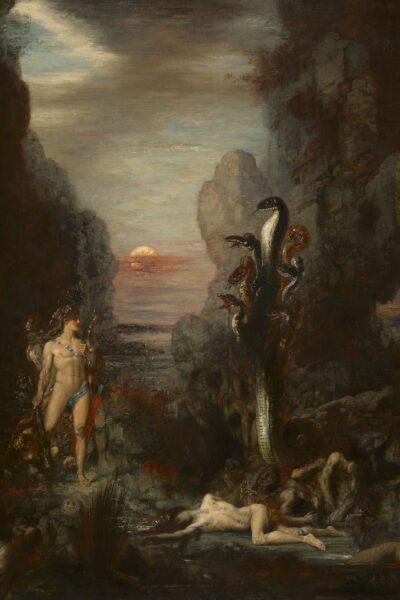
Imagining the mass strike and practically organizing it are one and the same activity.

You have to look beyond the monster itself in order to understand what it actually means.

Mary Seacole and the Cholera in Panama
Mary Seacole’s account of her role in treating Cholera’s victims presents a portrait of one epidemic-stricken community that responds in ways both typical and, in our own pandemic times, uncomfortably familiar.
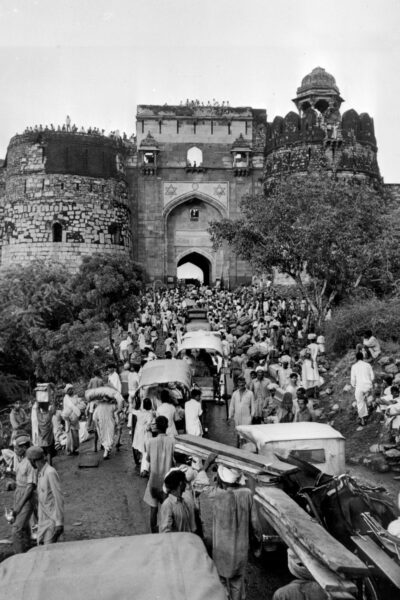
Reading the Dehumanized Perspective in Narratives of the Partition of 1947
The insidious malleability of dehumanization sheds a great deal of light on ingroup-outgroup tensions.
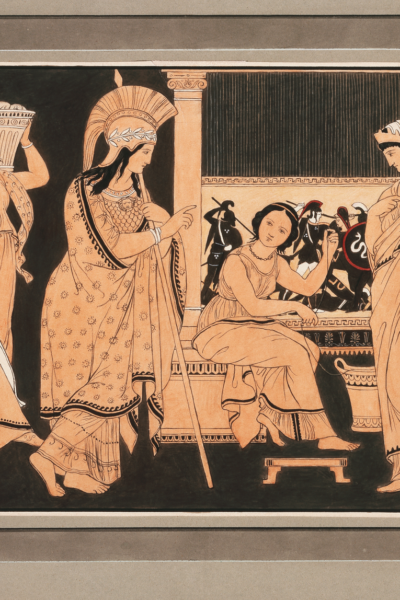
This is the experience of waiting: wanting to be doing something but knowing it won’t mean anything—the meaning is what we’re waiting for.