

Over the past years I have given myself increasing permission to write in the scattered, associative way my brain works now. I see my nonfiction as an invitation to conversation more than any kind of argumentation.
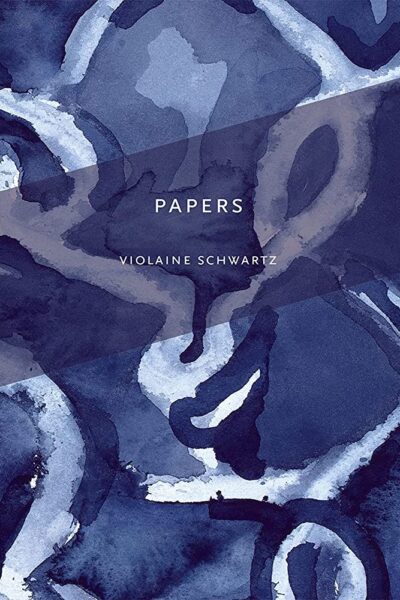
The book asks the reader to reflect on the cost of indifference to the world, particularly as the state translates human life into the abstractions necessary for bureaucratic processing.
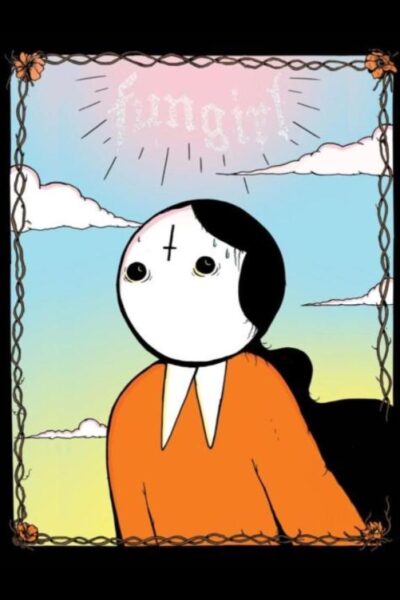
Fungirl doesn’t care: “Wholesome” is “nauseating.”
I’ve made some bad choices in life, but I really don’t think I’ve done anything personally as bad as fucking Heidegger.
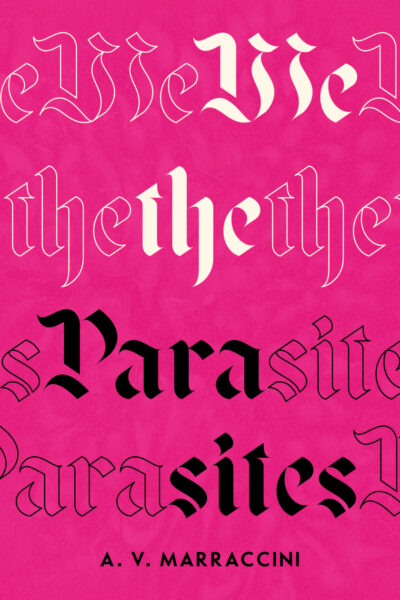
Affinities – Brian Dillon & We the Parasites – A. V. Marraccini
Together, these books advocate for a new way of inhabiting the works of art we admire . . .
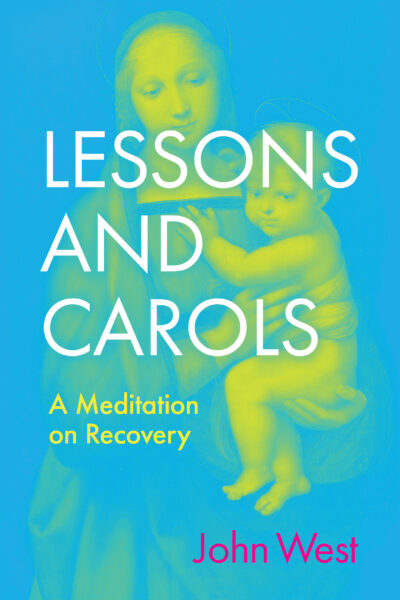
Lessons and Carols: A Meditation on Recovery – John West
Offering readers an example of how to move through this process of creatively reshaping our identities, West gestures to the potential of each reader to experience rebirth and recovery.
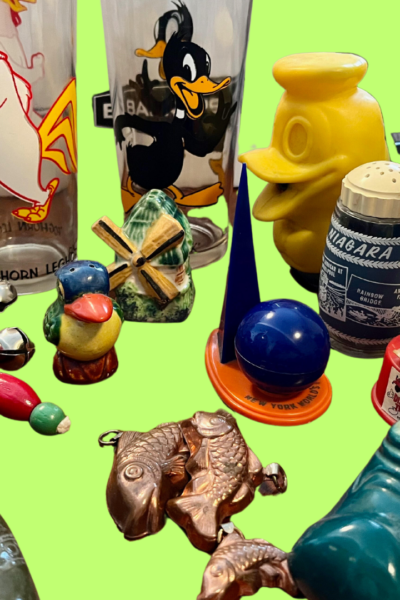
John Ashbery in the Physical World
Far from a recluse, Ashbery was in fact super-social in his own way, someone who prized poets’ work, a prolific blurber of younger poets’ books.
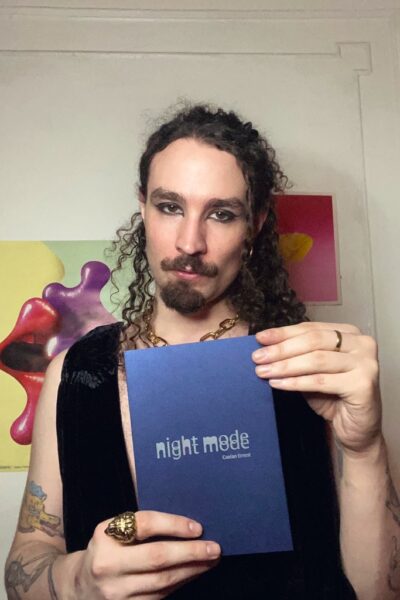
Allowing myself to do this book-length, weird, surreal, glitchy poem opened a whole new world in my poetic practice and praxis. It felt like a carnival.
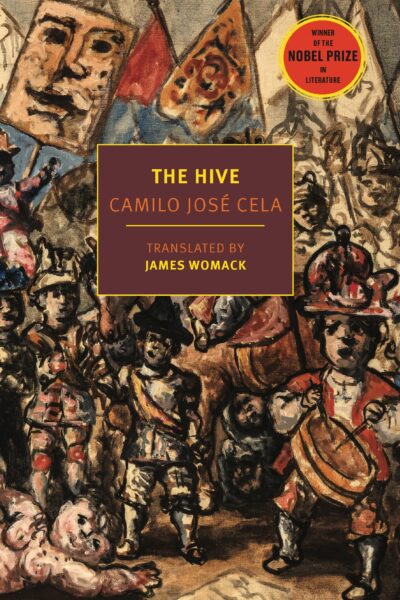
For all its humor and moments of warmth, The Hive is a portrait of misery.
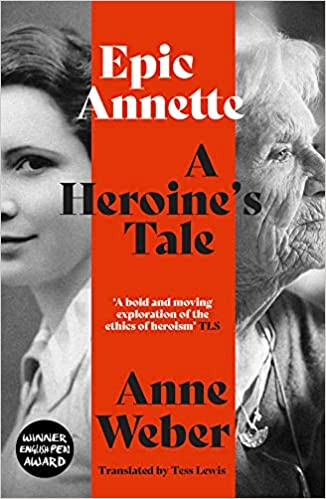
Rather than gods atop Mount Olympus, the engine of dramatic irony may well be the voice of bitter experience.