

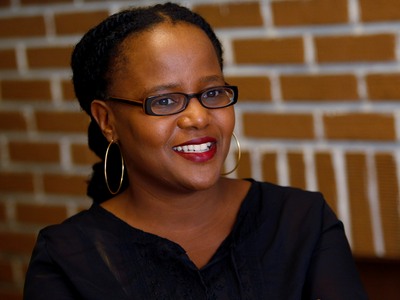
Because I’ve benefitted from it so much — being able to read people who write from this particular place, this in-between place — I think people like that deserve their own literature.

Naturally, we thought we were all brilliant — that we were geniuses, that this great success was a consequence of our innate quality. Of course, this was merely a consequence of a very good market situation.

You don’t have to make a case for fiction, you just have to make great fiction.
The robots are here, we did it, we brought them into our lives. We built them. They’re all around us.

The culture wars, both imagined and real, make for great tension, and that’s the stuff narrative is born from.
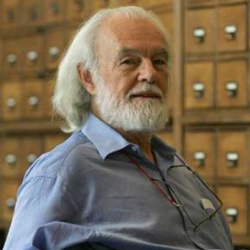
The big question from Marx’s perspective is: what kind of human nature are we going to try and create, and how do we do that?

If your main motivation is the sense of outrage at cruelty and injustice — fascism, imperialism, what capitalism does to the vast majority of human beings — then you may not need the stimulation of good news to keep yourself going in what then becomes for you an obligation.

It’s not a parody. It is a literal fucking pencil sharpening manual. It does what it says on the box.

I wanted to put a Palestinian voice in English literature.
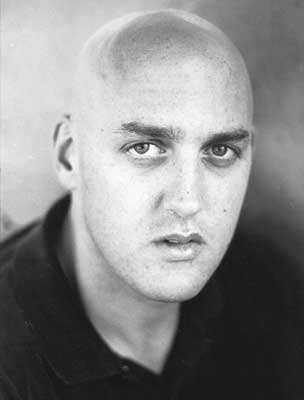
I think it’s a love letter to language. Or maybe a “Dear John” letter.