

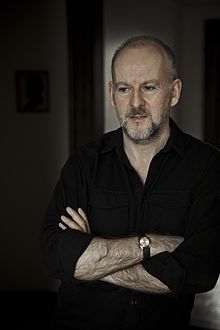
What counts as literature, for me, is what has the capacity to transmit and to be received.
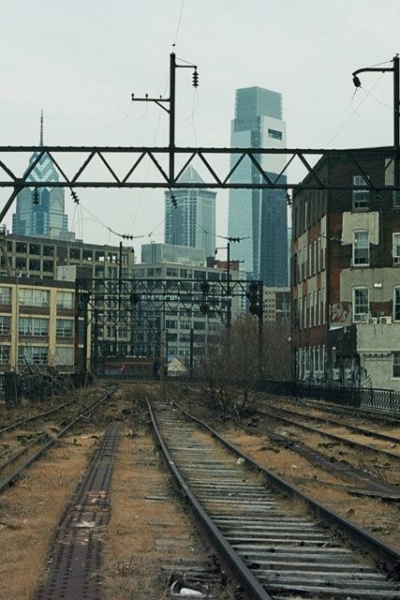
I like the idea of nonfiction that isn’t defined by its aboutness.
It can’t last, that love or romance or the feeling that we have about almost anything. It can’t last; it changes. That’s not a bad thing or a good thing. It just is. That’s what we’re up against.
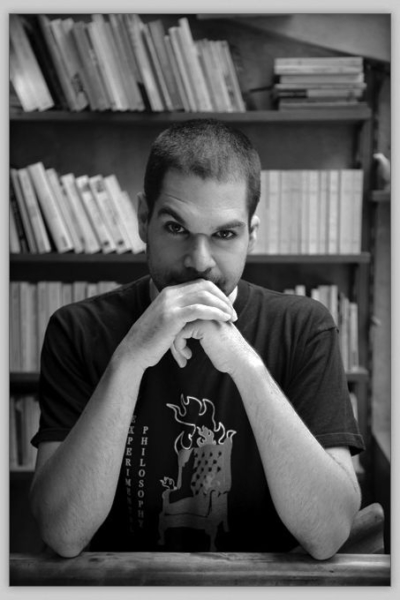
If people are seeing you too much as a machine and someone who has no emotions, just this driving force to resolve questions in the philosophy of education, all you have to do is take off your clothes.
Many people think Experimental Philosophy is a mistake, but in this very unusual way where they think, “You know, those guys are doing something interesting. Let’s give them a try.”
How do we protect ourselves from ourselves, if we don’t look at what we’ve done?
Writing is gratitude. It is like writing a thank you note to the world.
With our generation, there isn’t any shame. We’ll say anything. We’ll say what we make an hour, or we’ll say what our rent is; we’ll just share it.
The people that you might have been, or the things that you might have done, or the things that happened that you wish didn’t happen — those are the real ghosts.
Our use of the term paranoia is fabulously, very complexly and historically screwed up.