

Maybe we are fucked, it’s completely possible. Maybe there are structures that are more powerful than individual agency, or even collective agency to overcome in certain situations.

I read Bolaño first as a general reader, then as a translator, and finally as a critic.
Bowie . . . is the most important artist of the last forty years, for me, in any medium — any medium, books, anything.
Translation Questionnaire: Natasha Wimmer
A tentative translation is likely to be an uneven, unpersuasive one.
In California belief in the goodness of our state universities is best understood as a civic religion, which makes it difficult when faculty like me and Chris Newfield try to tell the public that its universities have become worse
In colloquial terms we say possession is nine tenths of the law — well the other tenth is reparations.
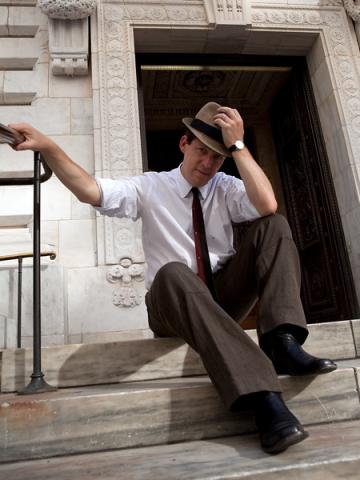
What we hide and what we try to obfuscate, what we avoid, the ways in which we deceive others and deceive ourselves — all this is so much a part of who we are.
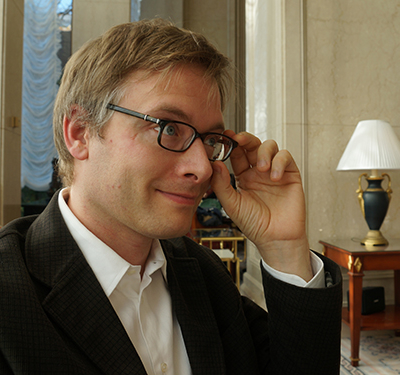
Translation Questionnaire: Michael Emmerich
When we translate, if only for a time, we breathe that special air. And that air is addictive.
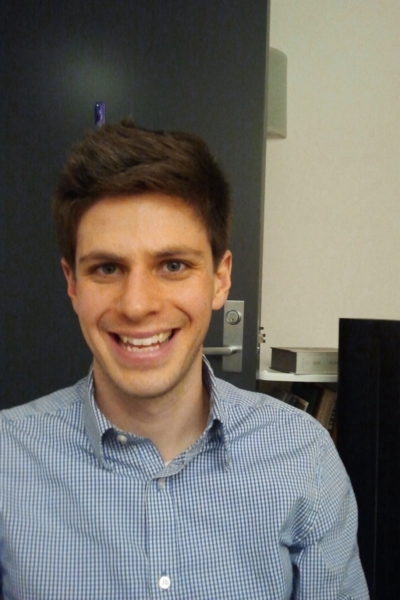
Translation Questionnaire: Joshua Daniel Edwin
When asked if his Spanish was good enough to translate Gabriel García Márquez, Gregory Rabassa said that the real question should be: Is my English good enough?
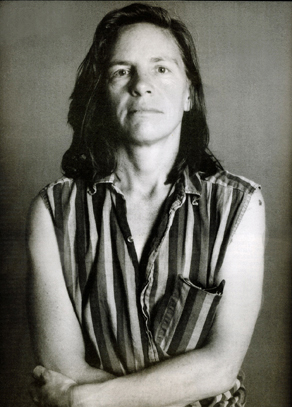
What I’ve done is made up a language that I write in. It’s a kind of patois of working class speech, poet speech, intellectual patter, and whatever sticks. It’s a swift first-thought, best-thought language.