

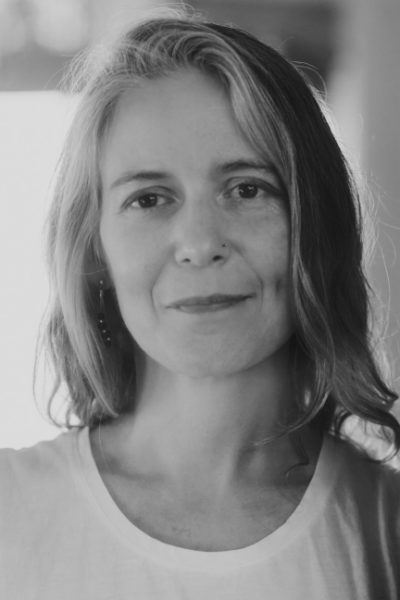
“If you read a lot of books, and watch a lot of movies, you’re going to absorb some of what it means for you to read and watch them, and that will be expressed in some way in your own work.” An interview with Amina Cain.
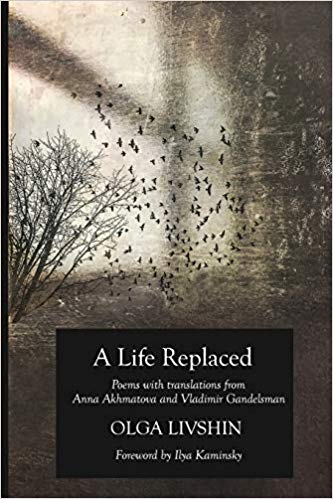
But the hope in my book, and the books of others I admire, is flickering, textured, not pure.

“Everyone suffers somehow. It’s important to show that, I think.” Our interview with Elle Nash, author of Animals Eat Each Other and editor at Hobart Pulp and Witch Craft.
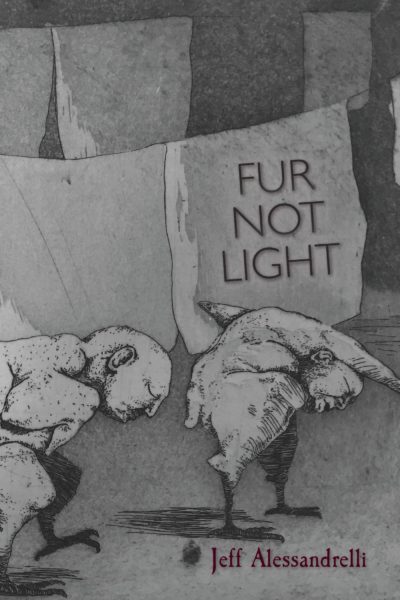
Jeff Alessandrelli & Chyrum Lambert
Failure or success can only be defined by the individual artist, and that fact is one I hold close nowadays. Within that knowledge lies the ultimate connection in what I’ve written over the years.
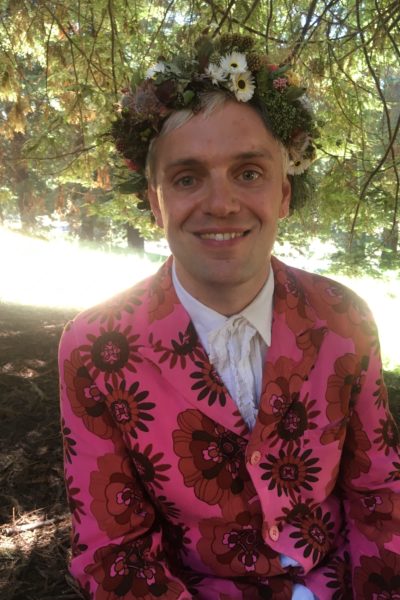
Jamie Townsend on Steve Abbott
Steve Abbot’s writing often asks the reader to be open to self-critique and surprise, to be open to the process of discovering new avenues for thought, whether hyperbolic, or crass, or even wrongheaded.
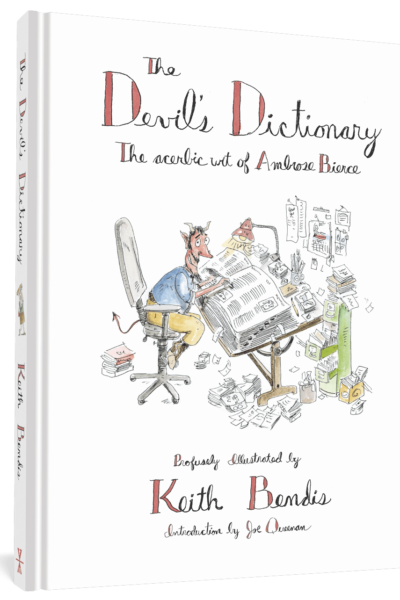
Bierce’s cynicism of our institutions, the rich, religion, and common beliefs could have been written yesterday.
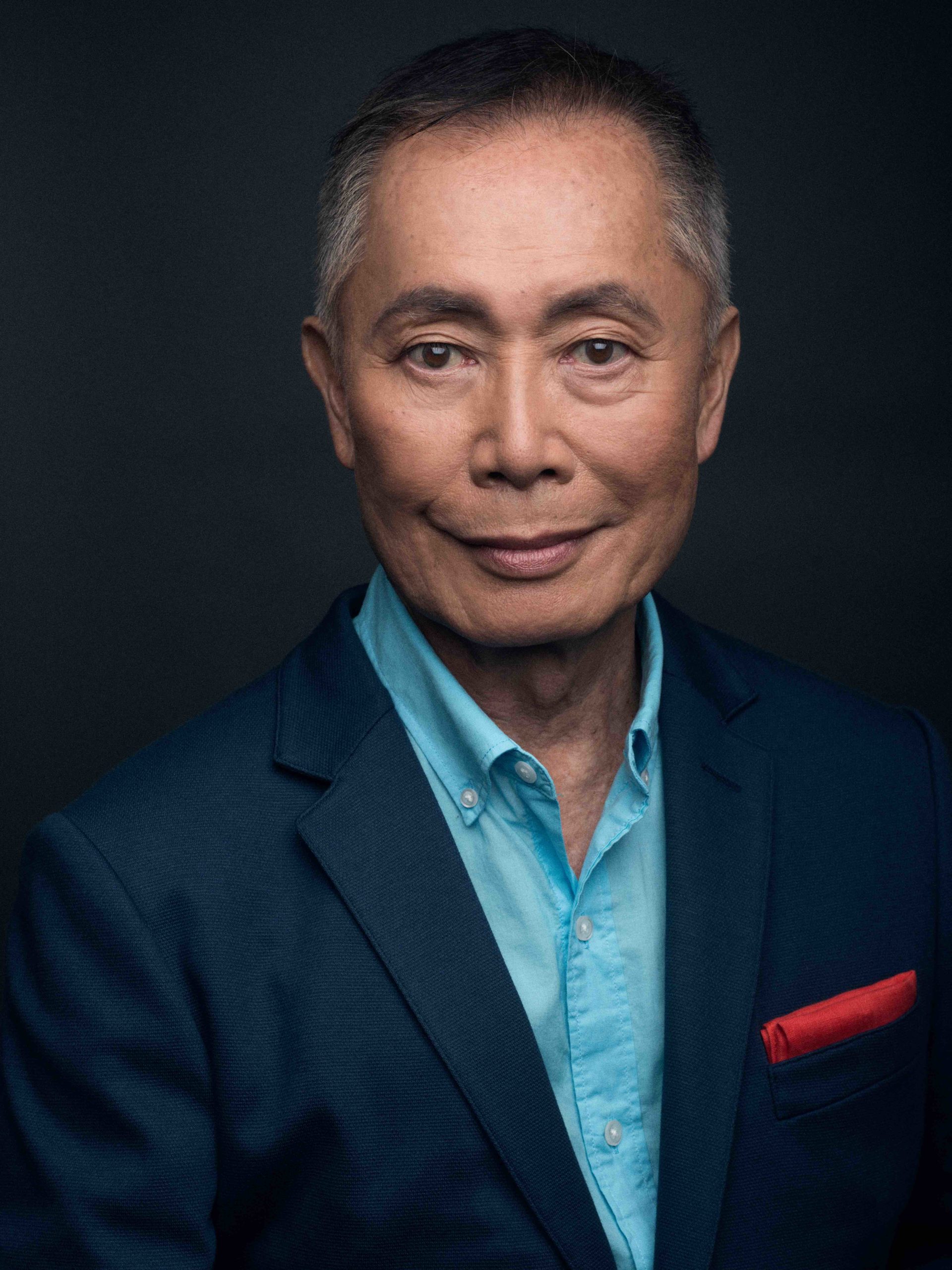
I admire those who took a principled position and paid the price for it. They fought on battlefields too. Their battlefields were behind the tall, concrete walls of federal penitentiaries.
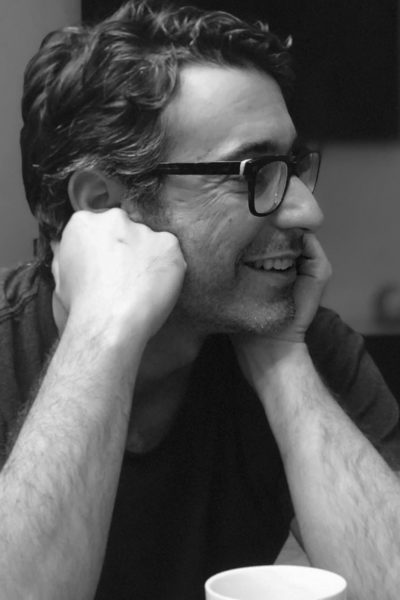
I would prefer to stay on the side of generosity.

Luke Jerod Kummer and Nellie Hermann
Before Picasso, kings and queens and generals – Napoleon, and such – were famous, but there wasn’t the pop culture we have today. He was one of the first modern international celebrities.
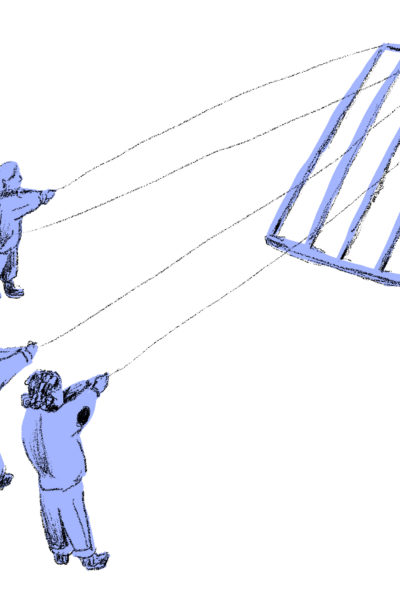
You really need to think strategically about how universities work, how they are trying to invest their capital, and then go after them on those grounds, and use our positionality as contingent academics to our advantage.