

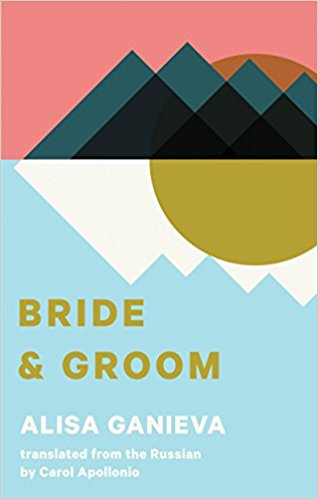
Rather than crafting a character study or a love-at-first-sight romance (though the novel includes elements of both), Ganieva attempts to encapsulate Dagestan’s complexities, interrogating its customs, politics, and religion.

In Search of St. Paul’s Scales
I’m sure it will surprise no one if I say that St. Paul’s scales are not the only literary detail in the Bible which is passed over with very little explanation.
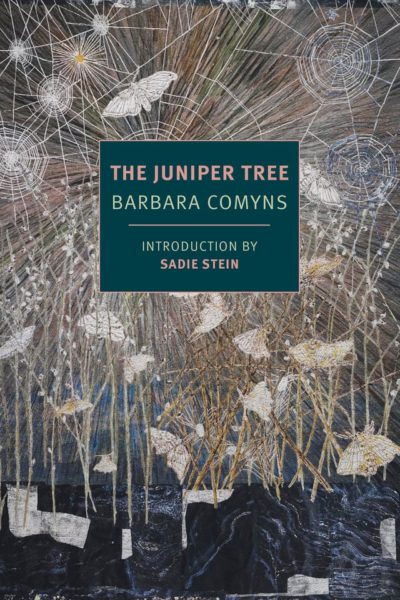
The Juniper Tree – Barbara Comyns
One of the scariest moments of THE JUNIPER TREE is nothing more than the sight of some flowers on the floor.
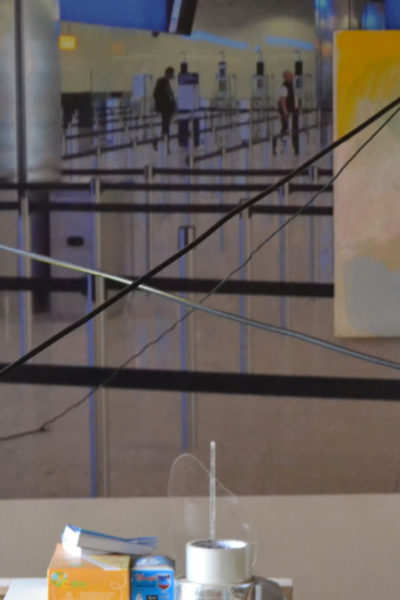
What unites both modern subcultures and modern terrorists (and terrorist subcultures) is no coherent ideology but a set of shared affective responses to social chaos—and if the last decade of culture has any lesson to give, it’s that emotional tourism has never been more popular.
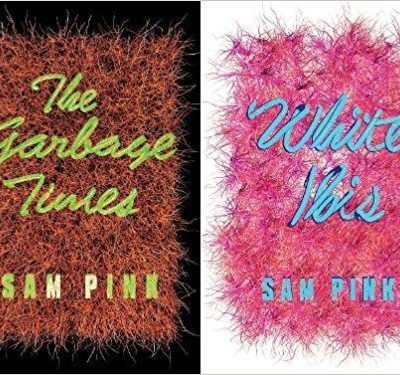
The Garbage Times / White Ibis – Sam Pink
It’s THEY SHOOT HORSES, DON’T THEY in a funnier, sustained alt lit sentegraph.
Camp Marmalade – Wayne Koestenbaum
I don’t care how these books were really made. The fetish of process reminds me too much of the marketing strategies behind twice-distilled commercial bourbons and locally-sourced corporate burrito chains.
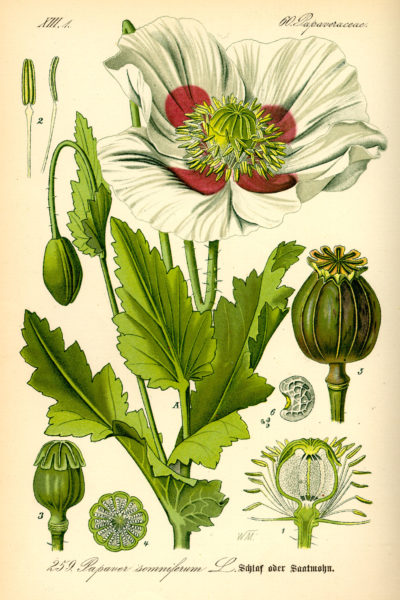
The proliferation of a kind of heroin porn may be normalizing the epidemic, but it is failing to humanize it.

The Chandelier – Clarice Lispector
The words they use include ones like sorceress, saint, superhuman, and sphinx. Otherwise, they refer to her by her first name alone.

“To me, the most interesting aspect of writing is how it captures what it’s like to be a thinking presence in the world.”
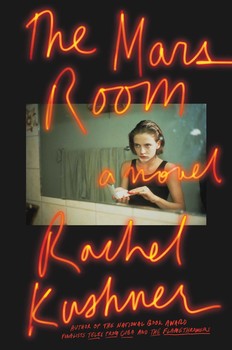
The Mars Room – Rachel Kushner
It appears that Kushner wants readers to believe — and feel — that the book is transparent, almost literally true.