

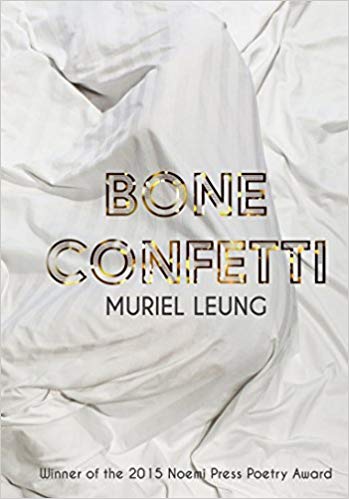
So much poetry from writers of color is rooted in an immediate sense of identity and place; Leung is beyond that.
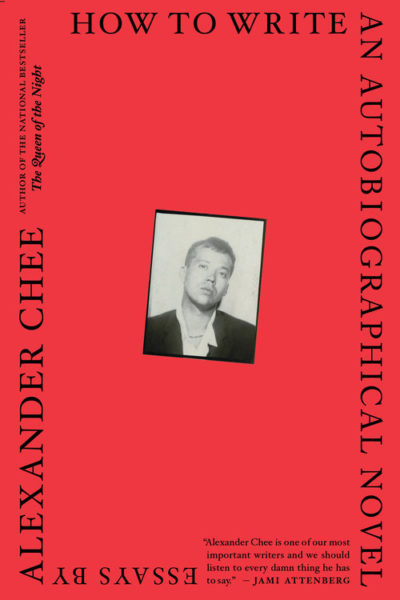
How to Write An Autobiographical Novel – Alexander Chee
Chee’s turns of phrase feel slightly awkward; a bit unfinished, while at the same time, complete and satisfying in a way that defies grammar.
What we talk about when we talk about the Space Age.
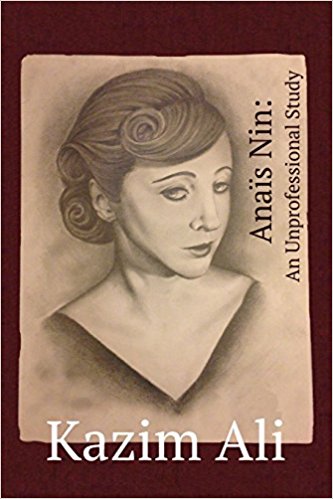
Anaïs Nin: An Unprofessional Study
Ali fulfills the promise of performative embodied criticism best in co-creative sections with notes for art installations, a choreography, a symphony, or a film; that is, when he himself manages to reimagine the textual self and the world, as Nin’s deep preoccupation with the memory of the body allows us to do.
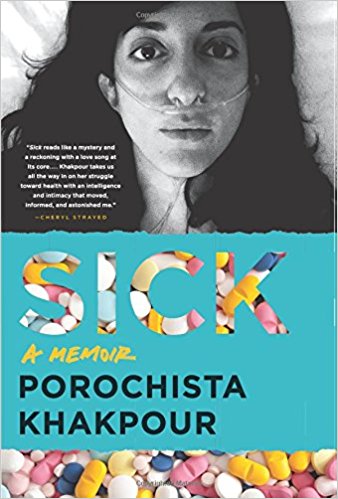
Sick: A Memoir – Porochista Khakpour
The public-facing myth of the good sick girl is a myth that Khakpour is intent on breaking throughout her memoir, and her crystal clear intent, the nuance, is successful.

It’s like they say, character is fate. Obsessions are inescapable.
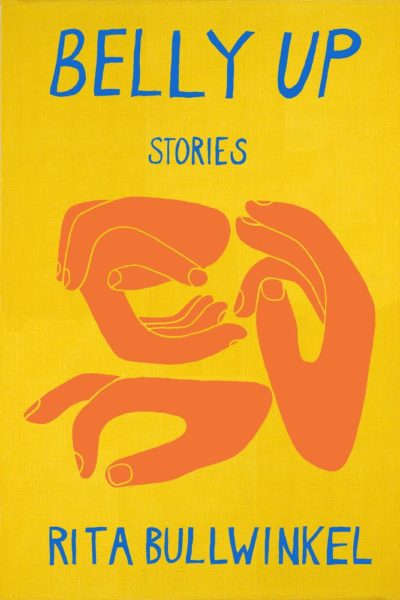
It’s arguable that BELLY UP simply presents an allegorical South: maybe all the more evidently brittle and compromised, with an extra little shine of strangeness.

Lion Cross Point – Masatsugu Ono
The structure of his sentences is direct, but meaning is slant.
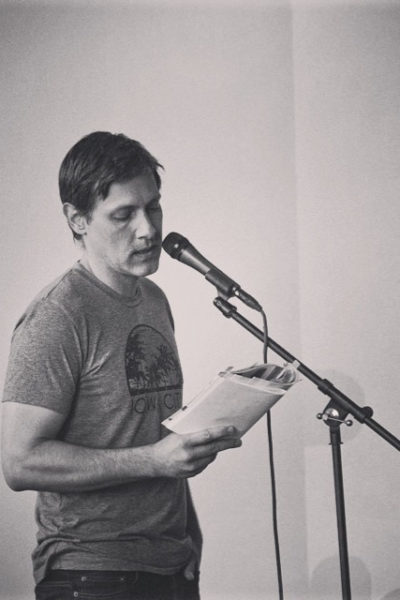
How does this translate into meaning? I have no idea. I wrote the book, this suite, to try to arrive at an answer.
George Lippard: Gothic Architect
Lippard’s journalism was lurid and fictionalized, his historical writing Gothic, his Gothicism sentimental, based on real events, and often intended — like his nonfiction — to instruct and improve society.