

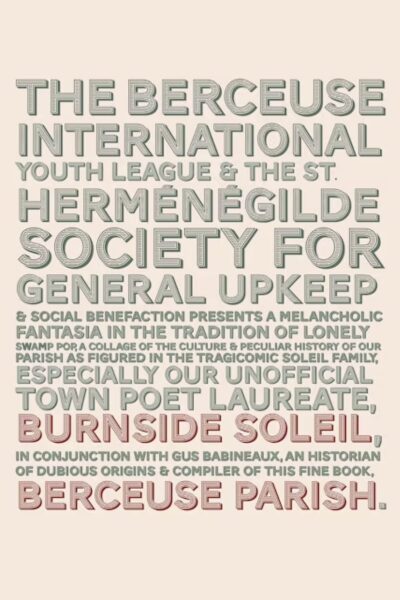
Berceuse Parish – Burnside Soleil
The dance of these poems keeps a keen rhythm
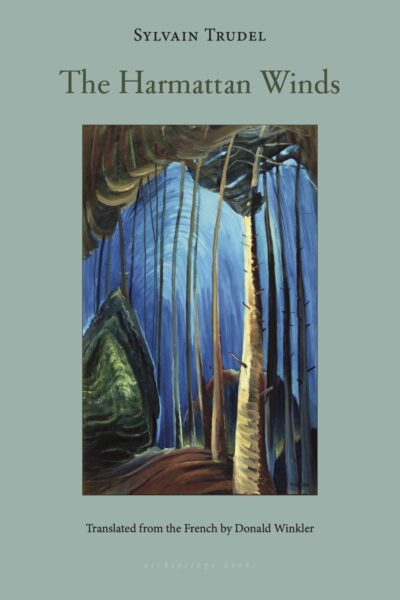
The Harmattan Winds — Sylvain Trudel, Tr. from the French by Donald Winkler
So much time inside such a limited subjectivity also made me question my own. Was I right to read Hugues as pathological, even psychopathic?
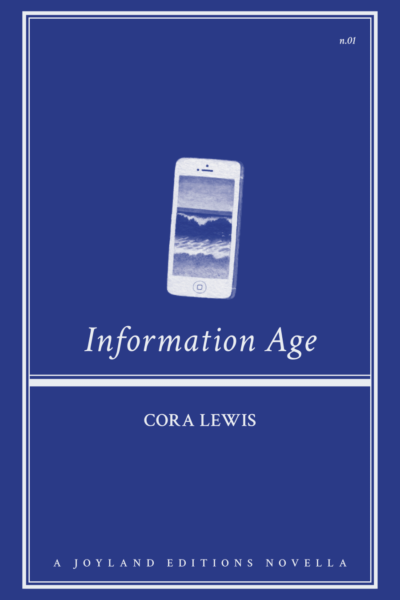
In this era of autocorrect, Lewis’s characters speak in typos
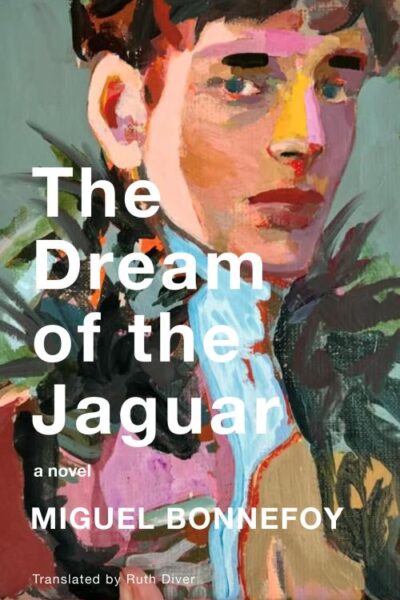
The Dream of the Jaguar – Miguel Bonnefoy
Is Bonnefoy suggesting that we read these European colonial narratives as magical realist texts?

Rumi’s poems shuttle across time, place, belief, and tradition to refresh and guide our wearied spirits
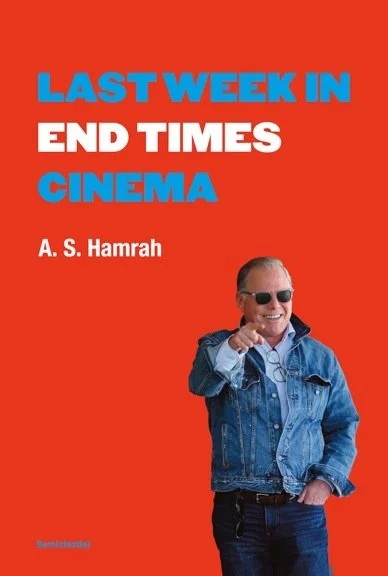
Last Week in End Times Cinema – A. S. Hamrah
Read through a “full year of wrong thinking, bad decisions, and man-made disasters” and you will get some sense of just how dim Hollywood’s lights and luminaries are.

[Catrileo] is interested in impurity as political potentiality
By its very nature the avant garde is unknowable
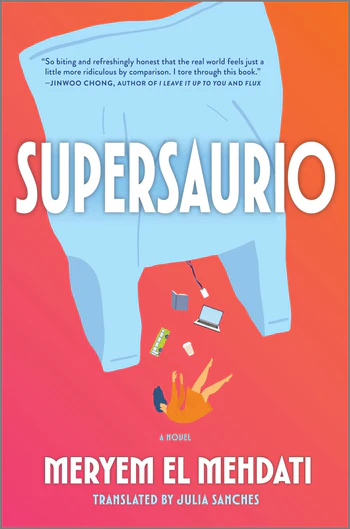
Supersaurio – Meryem El Mehdati
SUPERSAURIO celebrates the potential of online forms of writing for subversive joy
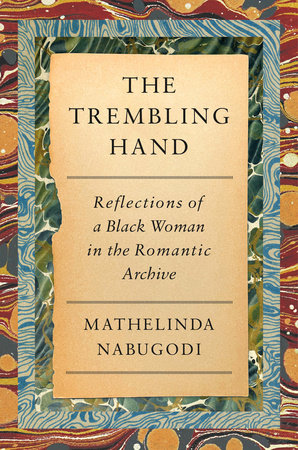
The Trembling Hand – Mathelinda Nabugodi
Nabugodi resists both melodrama and academic neutrality. Her approach is closer to a physics of feeling