

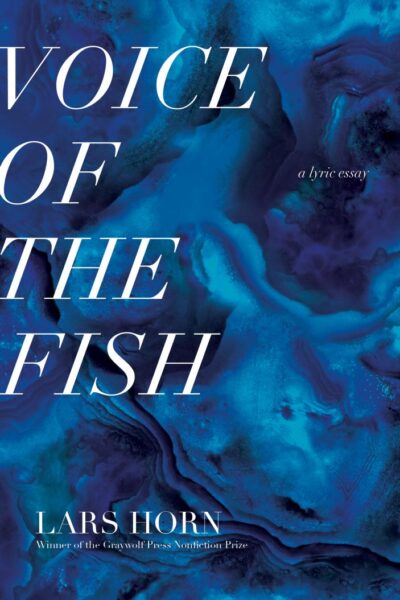
Horn takes readers on an autobiographical sojourn into the mind of a transnational, transmasculine writer and savant of the aquatic.
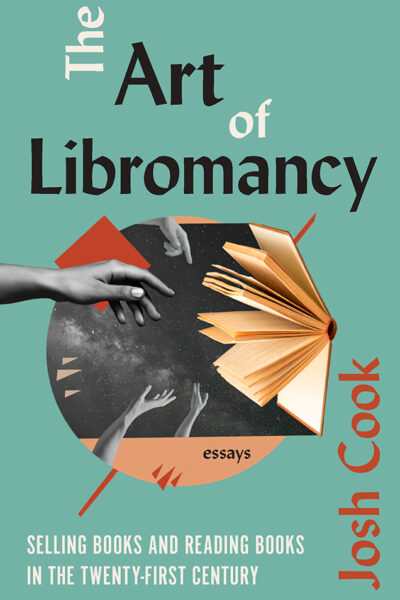
The Art of Libromancy – Josh Cook
Which free speech gets defended and which free speech is stifled? How much does power or status determine who makes the decisions? Does one person or one group of people get to decide which books are or are not available in a library or bookstore?
Did the poet make her speech presentable for the world? Is it smoothed out and proper enough? Did it go to Oxford and learn to use its commas?
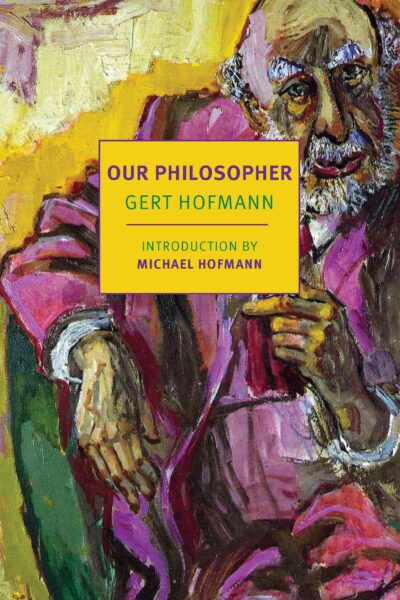
Our Philosopher – Gert Hofmann
OUR PHILOSOPHER is no celebratory Bildungsroman. But why should it be, when, for Hans, growing up means integrating into a sick society?
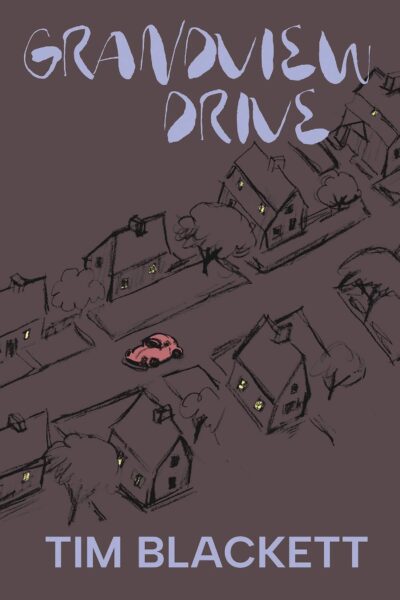
Grandview Drive – Tim Blackett
Earl converses, dines, and laughs with the residents of Grandview Drive and, through the power of fantasy, its sense of control and infiniteness, makes a final attempt to fulfill the longing for lasting connection that haunts him.
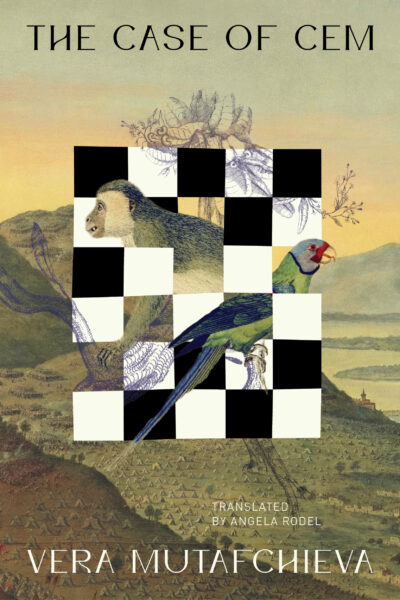
The Case of Cem – Vera Mutafchieva
The Case of Cem takes place in the fifteenth century, when the world was crudely split between East and West—not unlike the Cold War world in which the novel was written.
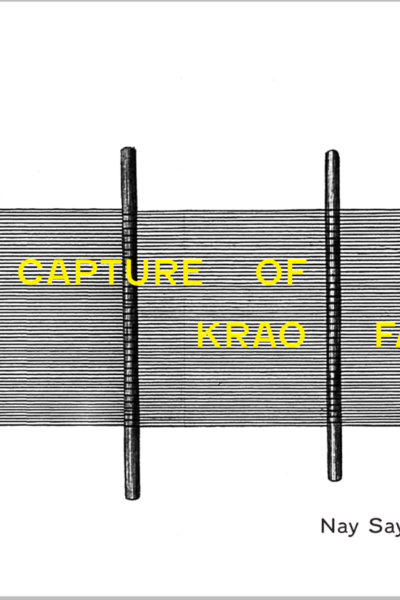
The Capture of Krao Farini – Nay Saysourinho
Billed as “part Turing test, part circus flyer,” Saysourinho’s debut chapbook narrates the imagined inner world of a woman known as Krao Farini, a late nineteenth- and early twentieth-century sideshow performer often called “The Missing Link” for her hypertrichosis.
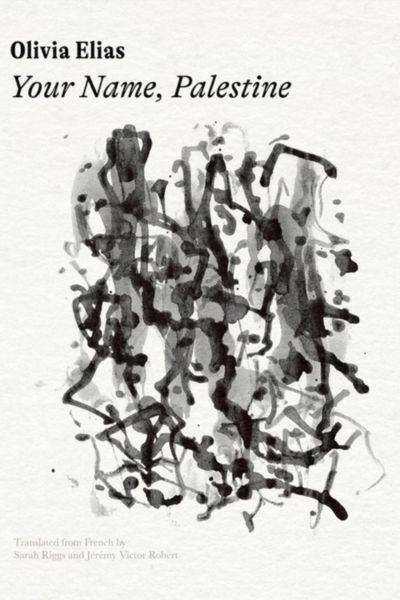
Your Name, Palestine – Olivia Elias
As a child of the Nakba, Elias has dedicated her oeuvre to the Palestinian cause and to the memory of the repeated cycles of Palestinian displacement and oppression.
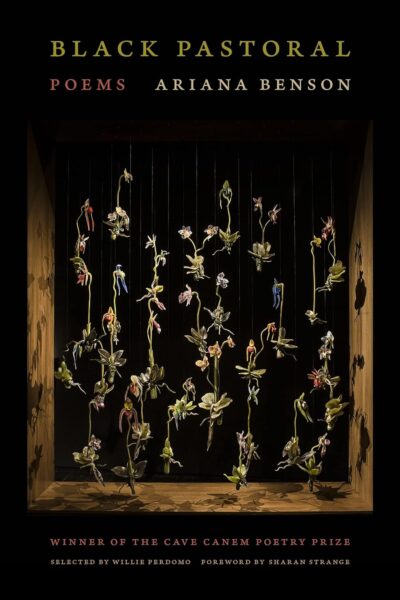
Black Pastoral – Ariana Benson
The poet envisions history as a living, breathing entity that we are both beholden to and shaped by—this is not just swaths of greenery, but land that has borne witness to, and evolved around Black suffering.
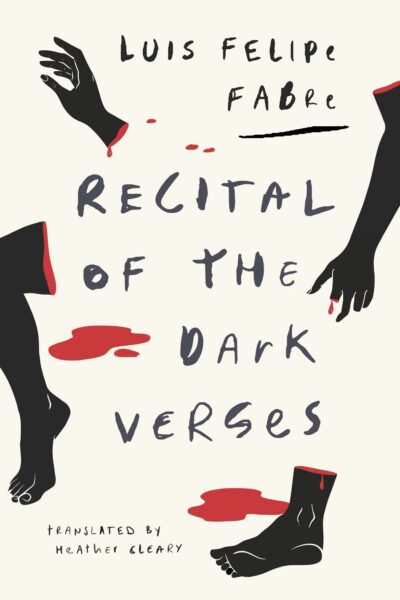
Recital of the Dark Verses – Luis Felipe Fabre
Fabre blends serious (but not self-serious) social and religious commentary with punny nameplay humor and mutilated bodies to make a point about how fundamentalism itself arises from relatively picayune squabblings.