

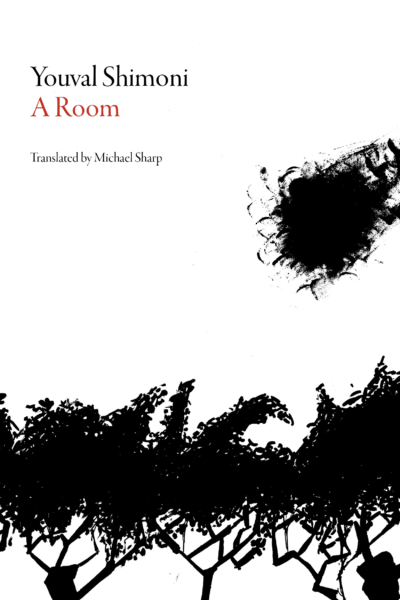
As with all great works of literature, it is difficult to believe that so much can be contained by so relatively small a vessel. It is yet another reminder that while we live and breathe and read in a world bound by the laws of space and time, what lies within a book’s pages suffers limits of a different strain.
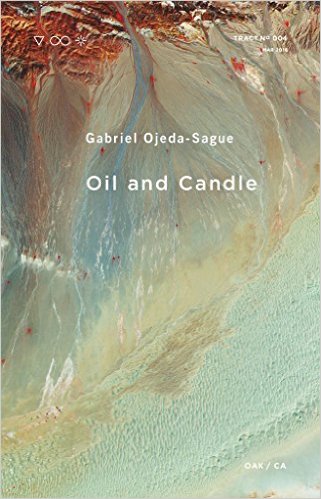
Oil and Candle – Gabriel Ojeda-Sague
Gabriel Ojeda-Sague describes and deploys ritual forms in order to undo the obscuring magic of privilege.
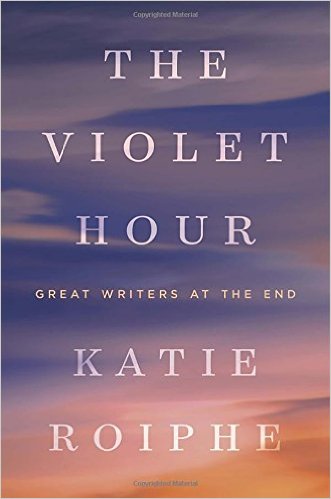
The Violet Hour – Katie Roiphe
The dust jacket promises to “help us look boldly in the face of death” but, after being given a tableaux even less diverse than Mad Men, how could it?
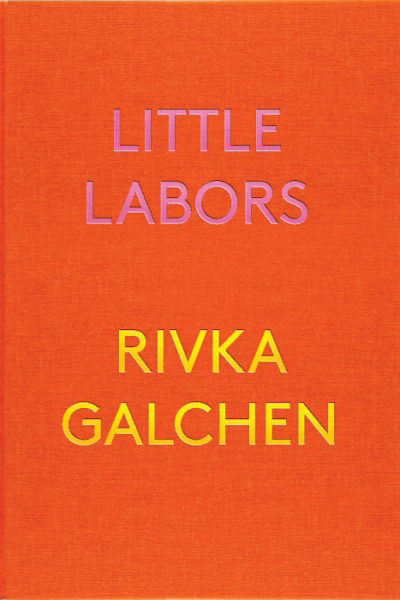
What is the equivalent, to a sixteen year-old American girl, of the irritating gentleman caller in the tall, lacquered hat?
A Lady and Her Husband – Amber Reeves
A LADY AND HER HUSBAND delves into generational differences, showing the ways that progressive movements depend on intergenerational communication.
Beasts You’ll Never See – Nate Liederbach
The stories in BEASTS YOU’LL NEVER SEE are prone to self-vexing. Each narrative dismantles its protagonist, draws and quarters him, splinters him into linguistic abjection.
Volpert is an Obama-supporting, married, gay educator, who, by her own definition, has had all of her eggs make it “safely into the misshapen hand basket of the American Dream.”
Stagg knows her strengths as a storyteller and continues to tell the story with lots of dialogue and minimal interiority instead of resorting to numbers, or to the pristine artifice of online forms such as screen-caps and chats.
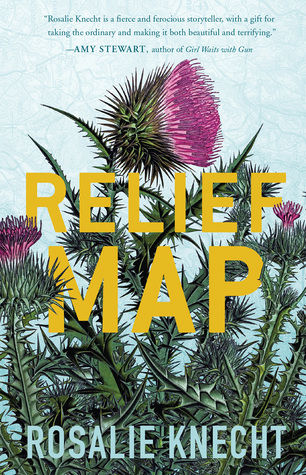
Reviewers might describe RELIEF MAP as a coming-of-age novel but I’m disinclined to characterize it as such, because the term to me implies a more histrionic change in character or situation than in the novel.
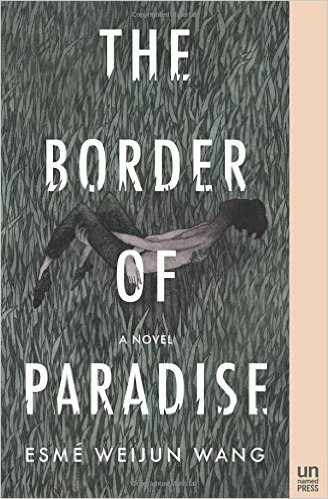
The Border of Paradise – Esmé Weijun Wang
Consider THE BELL JAR and GIRL, INTERRUPTED. Esmé Weijun Wang’s debut novel THE BORDER OF PARADISE is a different kind of narrative about mental illness.