

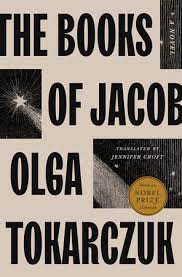
The Books of Jacob – Olga Tokarczuk
The Books of Jacob suggests that, no matter how far apart our various spheres of experience may seem, they are, in fact, talking to each other.

People From My Neighborhood – Hiromi Kawakami
Kawakami draws indiscriminately on the resources of various sub-genres of speculative literature, connecting her stories here and there for unity’s sake, but never straining for consistency as a straight-up fantasy writer might in conjuring a magic “system.”
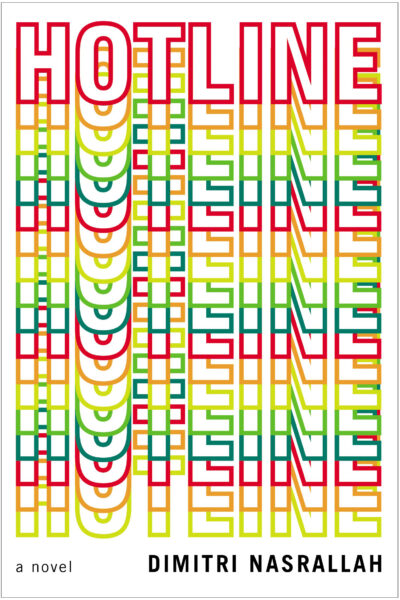
Nashrallah thoughtfully develops Muna’s erotic imagination, most significantly in her conjuring of Halim, but also in her changing relationship to her own body.

The Great Indoorsman – Andrew Farkas
It’s not culture Farkas is studying so much as the many interiors of the self.

Gentleman Overboard – Herbert Clyde Lewis
Standish bears the specific features of the gentleman — or a parody of it — in all its idiotic, self-regarding, and brutal composure.
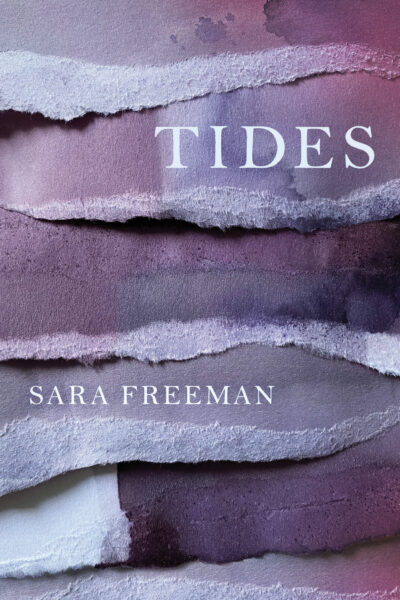
The sparsity of text keeps the reader at a remove from Mara, as she is trying to keep herself at a remove from her own mind.
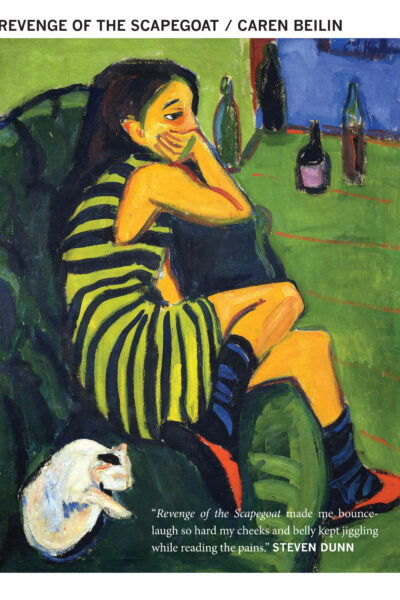
Revenge of the Scapegoat – Caren Beilin
Darkly comedic and wildly inventive, REVENGE OF THE SCAPEGOAT explores childhood trauma, medical exploitation, art making, and the ethics of fleeing our pasts.

To this gay, it comes as no surprise that a book called Villainy is about friendship. Queerness isn’t individual — it’s not something we can do on our own. We need each other just as much in the street as we do in the hot tub orgy.
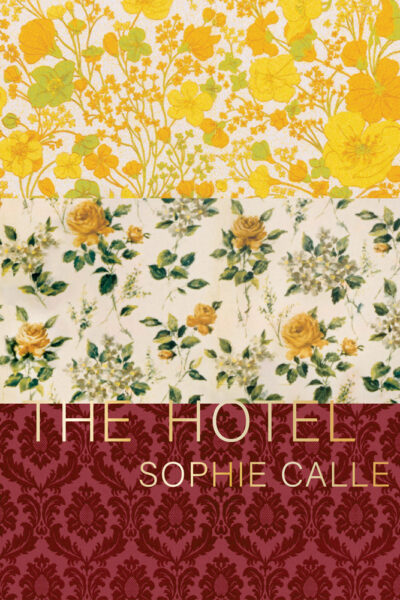
Her enduring preoccupation with the permeable line between public and private, life and art, power and vulnerability, is on full display in The Hotel.
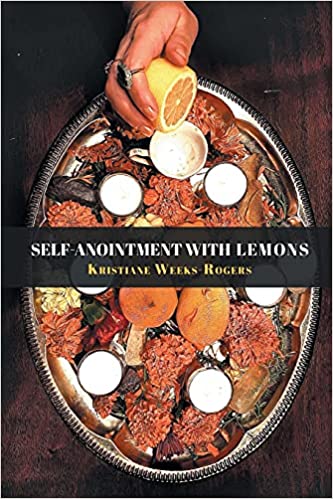
Self-Anointment with Lemons – Kristiane Weeks-Rogers
This book reminds us all of our collective past-what sustains us and what we can finally and gratefully release without forgetting.