

Sánchez didn’t believe in depression at first—or any mental health condition for that matter. . . . Like me, she’d learned that people just needed “to snap out of it or to pull themselves together.” If only it were that simple.
So Many People, Mariana – Maria Judite de Carvalho
Practiced in Portugal for centuries, censorship had been ingrained in literary culture by the time Maria Judite de Carvalho, one of the country’s most important twentieth-century authors, began writing.
Though the Bodies Fall – Noel O’Regan
The visitors of this “tourist’s dream of a rural Irish cottage” were lost souls who came to the cliffs to find eternal peace. In short, the home was a known suicide spot.
[TW: self-harm, suicide]
A Line in the World – Dorthe Nors
Whether visiting a lighthouse with the author, or a seaside museum, one always senses the nearness, vigor, and life-endangering threat of the churning waters.
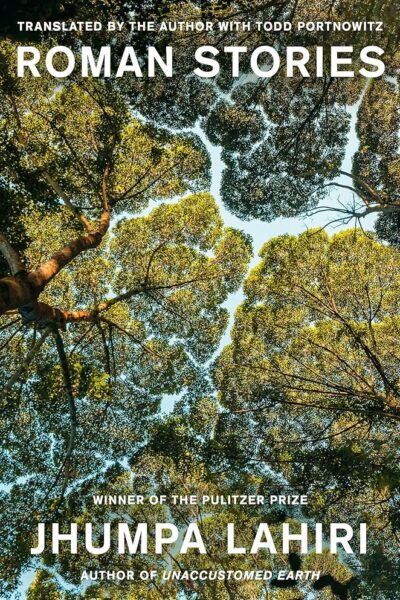
Each character’s Roman sea is quite different, but the similarity remains: Each has been tossed up on its shore.

When translator Sarah Booker came to Coffee House with pitches for the translation of both novels of Ojeda’s, the press thought it best to have JAWBONE precede NEFANDO, allowing the former to serve as amuse bouche to the latter’s more toothsome topics.
[TW: sexual abuse, child abuse]

An Antisemitism Studies Primer
Often, the kind of research getting funded, printed, and promoted has more to do with the agenda of those writing the checks, the institutions that support them, and the schools who are stacking their faculty rolls, than the provable consequence of the research.
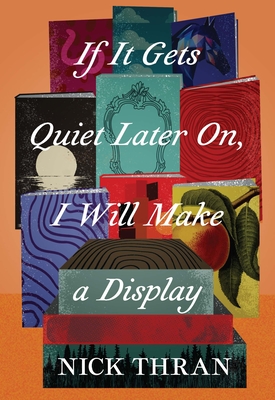
If It Gets Quiet Later On, I Will Make a Display – Nick Thran
If It Gets Quiet Later On is its own tabletop display, a grouping of poems, short stories, and essays connected (mostly) by Thran’s life as a writer, reader, and bookseller.
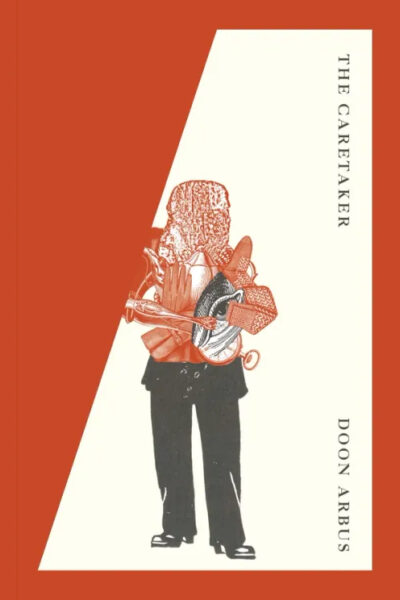
The caretaker tries to keep the objects in his collection from speaking about the lives they have lived . . . reducing them to mere list of objects. The more he fights the resonance of their voices, the more they resist becoming metaphors of the past.
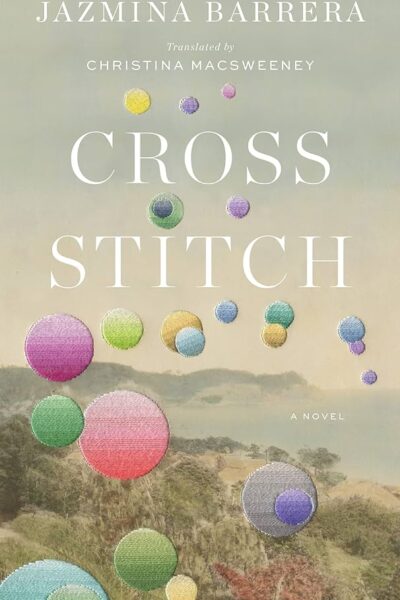
Cross-Stitch – Jazmina Barrera
Fragments scattered throughout the novel tell of women who used embroidery to share messages, whether to reassure loved ones of their well-being, call for help after being silenced, or protest political injustice.