

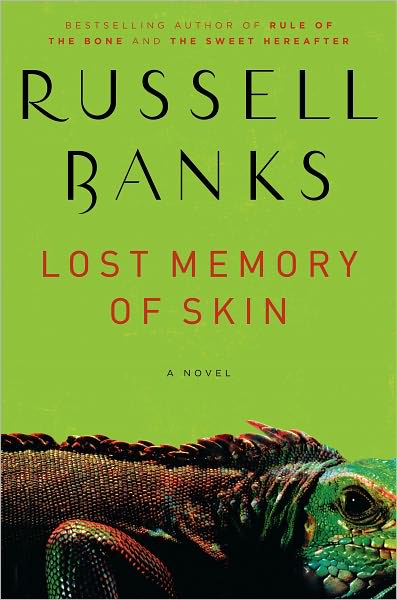
Lost Memory of Skin – Russell Banks
Through his supporting cast, Banks suggests that most individuals are not unlike the Kid – burdened by compromised morals, predatory and voyeuristic instincts aroused by barrages of sexual images.
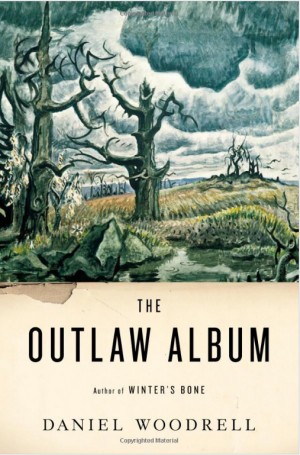
The Outlaw Album – Daniel Woodrell
These characters live in a liminal world between humanity and animality—it’s a world of random cruelty, unresolvable loss and loneliness, poetic revenge and equally poetic semi-articulacy.
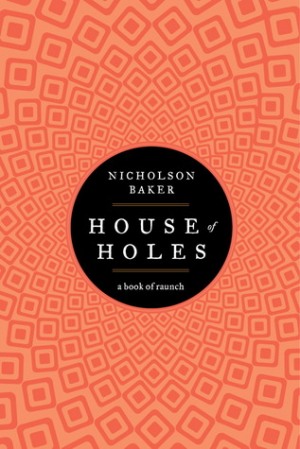
House of Holes – Nicholson Baker
Perhaps in the economy of desire, this is what capitalism with a human face looks like in its most utopian form.
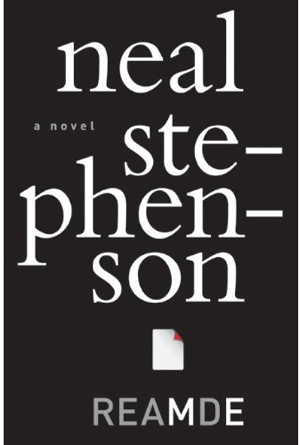
Reamde finds itself reveling in gun violence, a preoccupation not only with the the typical drama of cover fire and heads exploding under a sniper’s hail, but with the geeky details—hammers, safeties, gauges, and even idiosyncrasies of certain models of pistol. It is unflinching, unquestioning, and ultimately not very much fun.
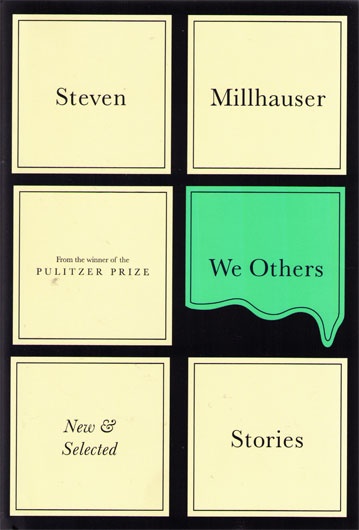
At their most compelling, these recent stories address Millhauser’s preoccupation with the intersection between expectation and disappointment, sensuality and revulsion.
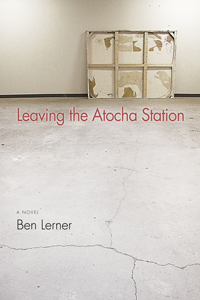
Leaving the Atocha Station – Ben Lerner
Lerner’s greatest gift as a writer is his ability to wax philosophical without sounding cloyingly cerebral. While Adam is drifting through Spain writing, lying, obsessing, confessing, capsizing, and smoking lots of hash, Lerner is busy implicitly inquiring into real life’s ability to live up to the vast and gorgeous possibilities language can engender in the imagination.
The Family Fang – Kevin Wilson
In its own bologna-frying, Bloody-Mary-guzzling, tuber-hurling way, The Family Fang boasts both the sweetness and wickedness of a Roald Dahl story, where the adults are cruel and the children are clever and hell could freeze over before either party would consider compromising.
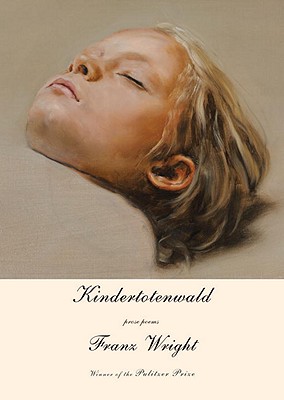
Kindertotenwald – Franz Wright
Since it’s a Franz Wright book, it comes as no surprise that Kindertotenwald discovers and traverses new emotional spaces, new ways of naming desire, loneliness, guilt, and grief—from a poet with a long track-record of piercing, lucid insight into the human condition, we could hardly expect otherwise.
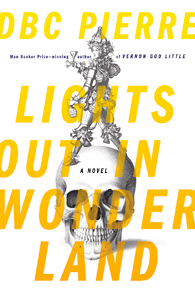
Lights Out in Wonderland – DBC Pierre
“It doesn’t get any better than this.” Le Basque explains: “human pleasure comes from opening a door, not from walking through it.”
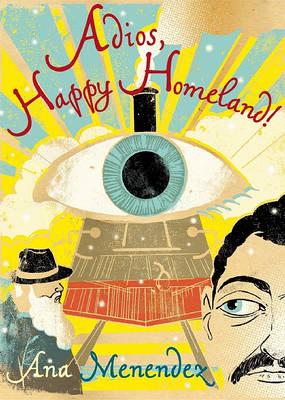
Adios, Happy Homeland! – Ana Menéndez
The Cuba of the writers memory, or often their parents’ memories, is an elysian island, pre-Communist and therefore pre-poverty, pre-hardship, pre-exploitation—an imagined setting overripe with the untainted sweetness of the place of origin, always longed for and always denied.