


It’s easier to stay in a place that’s known to you even if it’s hurting you. So there’s a question of loyalty, whether to your country or your family, that is complicated by being a colony.

An Antisemitism Studies Primer
Often, the kind of research getting funded, printed, and promoted has more to do with the agenda of those writing the checks, the institutions that support them, and the schools who are stacking their faculty rolls, than the provable consequence of the research.
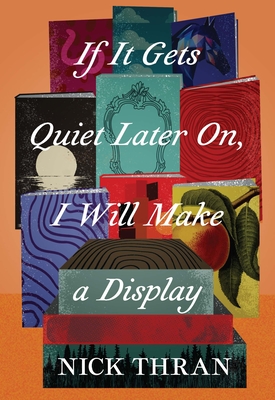
If It Gets Quiet Later On, I Will Make a Display – Nick Thran
If It Gets Quiet Later On is its own tabletop display, a grouping of poems, short stories, and essays connected (mostly) by Thran’s life as a writer, reader, and bookseller.
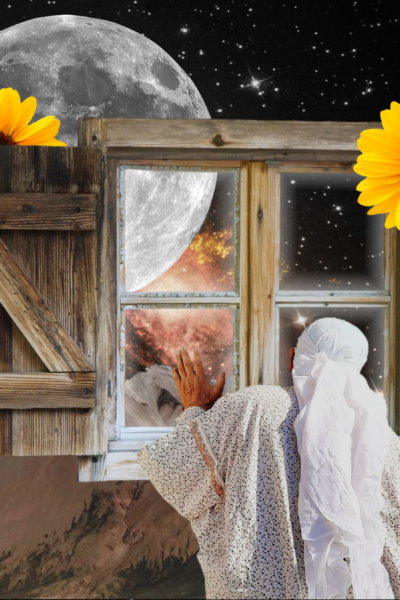
On the Poetics of Congregation amid Dispossession: A Conversation
The ghazal is a cumulative form that builds on established metaphors in a non-linear fashion. . . . I see tremendous liberatory potential in its cumulativeness. . . . When writing a ghazal, my poetic voice is not just my own, just like my pain is not just my own.
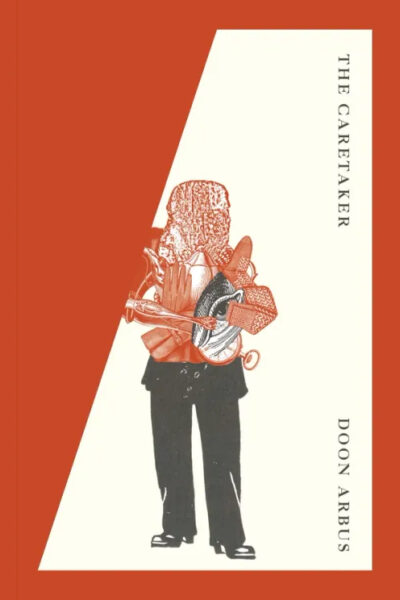
The caretaker tries to keep the objects in his collection from speaking about the lives they have lived . . . reducing them to mere list of objects. The more he fights the resonance of their voices, the more they resist becoming metaphors of the past.

I try my best not to think too hard about categorizing what is part of my work as an “artist” or “writer” and what’s a diversion.
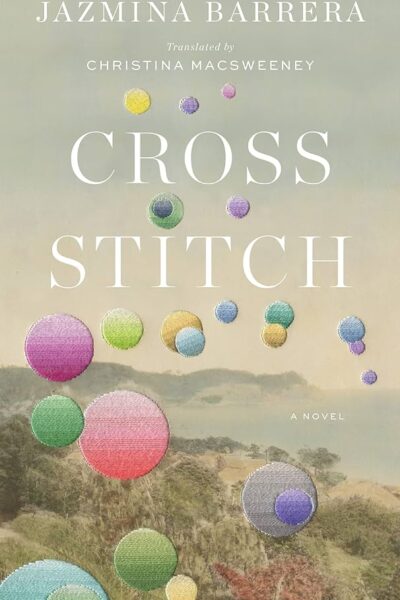
Cross-Stitch – Jazmina Barrera
Fragments scattered throughout the novel tell of women who used embroidery to share messages, whether to reassure loved ones of their well-being, call for help after being silenced, or protest political injustice.
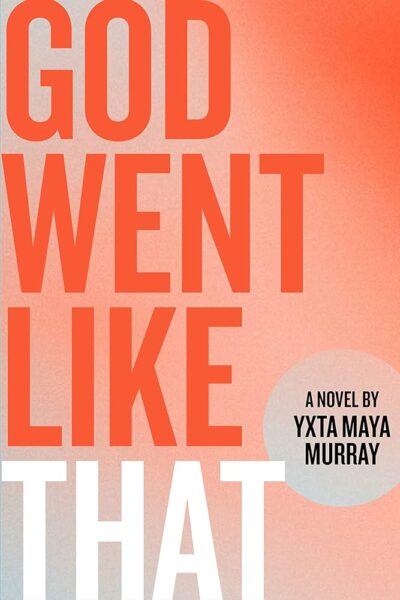
God Went Like That – Yxta Maya Murray
In this polyvocal portrait of how race, ethnicity, class, and gender stratify environmental threat, Murray, a Latina novelist and professor of law at Loyola Marymount University, peers into the wide gap between US legal protections and environmental justice.
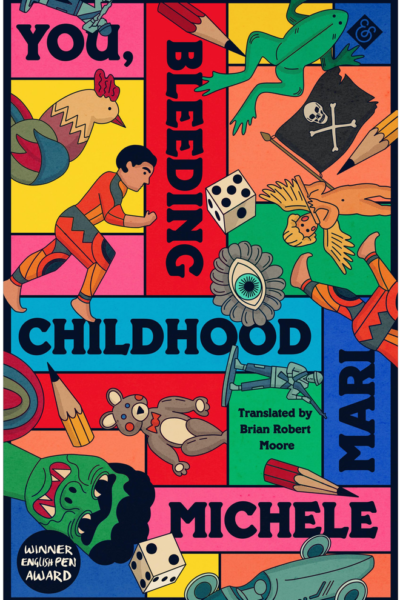
You, Bleeding Childhood – Michele Mari
Celebrating the enchantment of those first toys and books, the collection is imbued with a sense of wonder and adventure, threatened at every corner by the harshness of adulthood and the looming fear that soon it will all be lost.
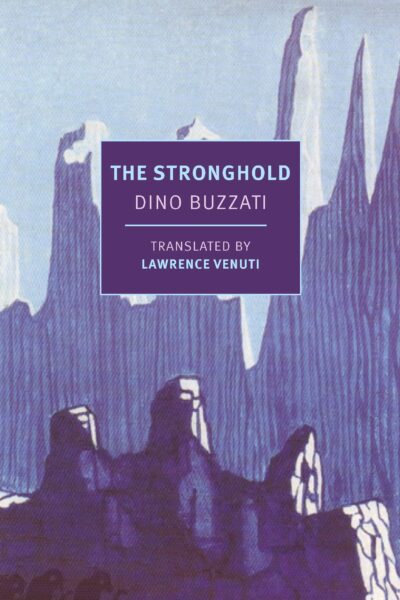
The possibility of Tatars, or in fact anyone, attacking the Fortezza, are not the real danger. Instead, time, rumor, and misplaced trust are the ultimate foe.