
What could all that suffering possibly be good for? What if it was beautiful and that’s what it was good for? What if, in fact, our pain was the most beautiful thing about us? What if, moreover, our pain was what made us beautiful to God? What would that say about the world and our place in it?
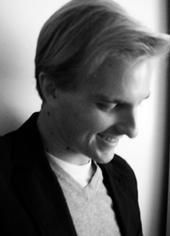
“I don’t see my work in relation to the university at all; if I’m lucky, I will continue not to see it that way. Some thrive in academia, but I find it brings out the worst of my slothful, autistic, obscurantist tendencies.”
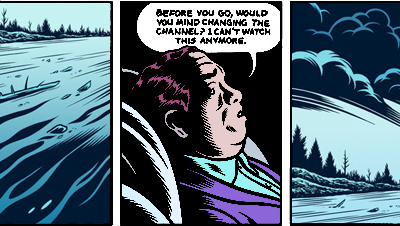
Burns is most famous for his decade-spanning, highly praised series BLACK HOLE, which chronicles the misfortunes of a group of Seattle teenagers who contract a horrifying sexually transmitted disease which leads to gruesome physical disfigurations and social chaos.
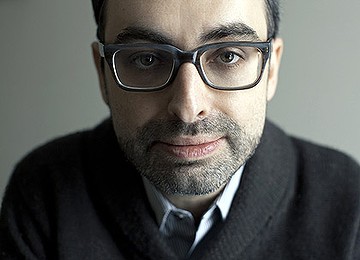
“I’m still interested in good writers, but I’m not going to find them on the internet.”
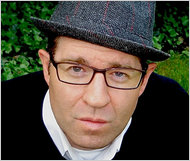
“While in the tomb Jesus descended into Hell to later return to earth. For me, that was a big realization. Christ descended into Hell and then came back for the rock to be rolled away. I find this story to work as a perfect metaphor for how people overcome tragedy. The loneliness of carrying the cross, the forsaken feeling of being crucified, the time spent in the dark tomb, the descent into Hell, and then the fact that we have to face the sunlight, and get to go live so more.”
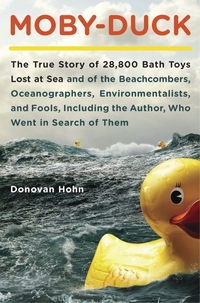
“Wilderness is now, inescapably …. this human creation. Which is a paradox, because it’s supposed to be the area beyond human creation. When we think we’re experiencing the wild, we’re often imagining the wild. What would be genuinely wild? I think you’d almost need a new language.”
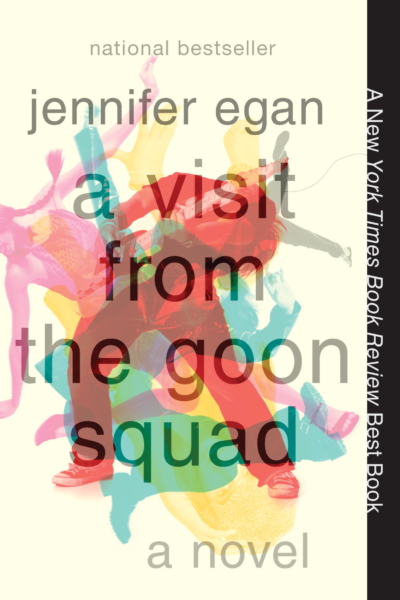
“Somehow in those weeks of careening around Europe in a state of quasi-terror, not even trusting my own thoughts, I realized that writing was the thing that held the world together for me, and gave it meaning.”

“Frankly, the business side of this whole thing, which is what the publishers care about and what the journalists write about, is boring. There’s really not much nuance there. It’s all about finding the right business model to navigate through this transition, one that will maximize profits and minimize carnage. But for the writers, this is all so much more interesting. Are they scared or excited? How do these shifts change how they think about their art?”
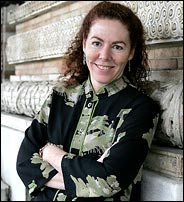
“I can’t say what the effect is, if any, on people in the mass. In a way, that is not my problem: I just generate the work, and then other people decide how to use it, in whatever way seems most useful to them.”
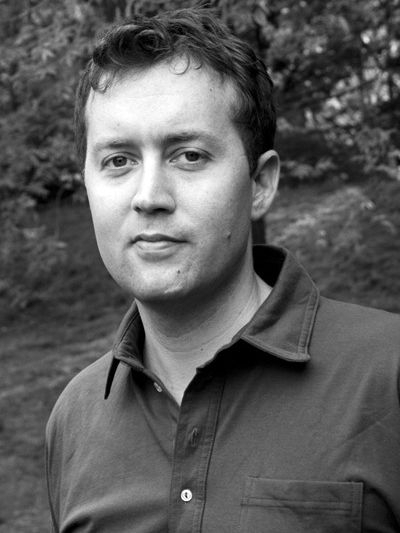
“How can I possibly ask somebody to read all of this shit that I just made up? It’s asking a huge amount of someone – it’s like asking someone to listen to your dream! It’s a huge imposition.”