


“I don’t think imitation is bad, like writing a poem in the style of a poet you admire, but it’s a lot more fun for me to engage them directly. I enjoy wearing my influences on my sleeves.”
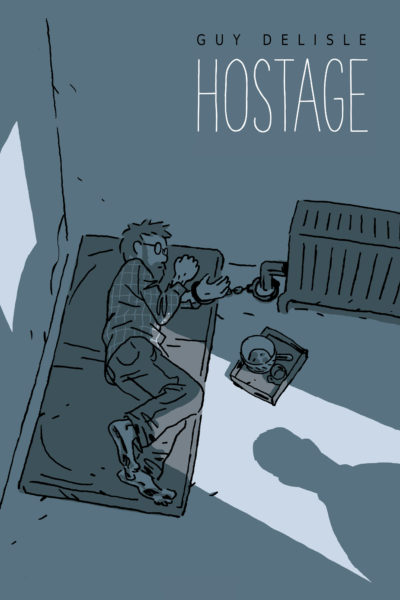
To be completely deprived of your freedom. That always has fascinated me.
I don’t write just to see what’ll happen. I’m not interested in hippy art. I’m in conversation with certain things and I work to get all of those things into a unified place.
“My hope is that we can dismantle and rebuild a community where we build each other up and support each other instead of trying to keep people/certain work out.”
“This remaking of border management into a zone that aims to be both open and closed – that aims to facilitate trade, but control or contain so-called ‘undersirable flows’ (usually migrants) – is one piece of the rise of a whole new paradigm of security – supply chain security.”
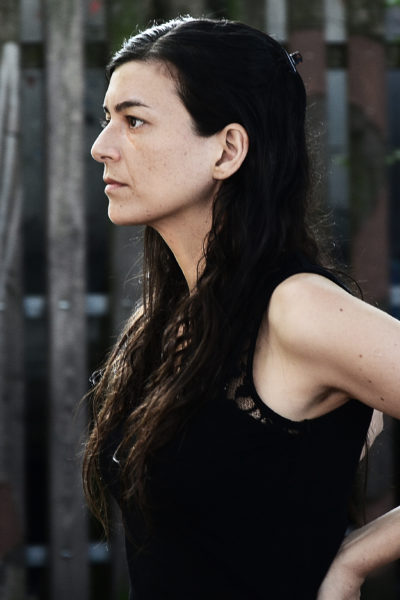
People always forget about numbers, names, all kind of information, but they never forget a strong feeling. Maybe to turn on a mute alarm is the most effective way inform, that would be in any case my politics.

The last person I was in love with was an Episcopalian who taught me about Joy Williams, and who is maybe the only person I have ever written a decent poem directly about, to, and for.

“Short stories as a literary form with popular and commercial appeal are always either dying or making a comeback, it seems.”
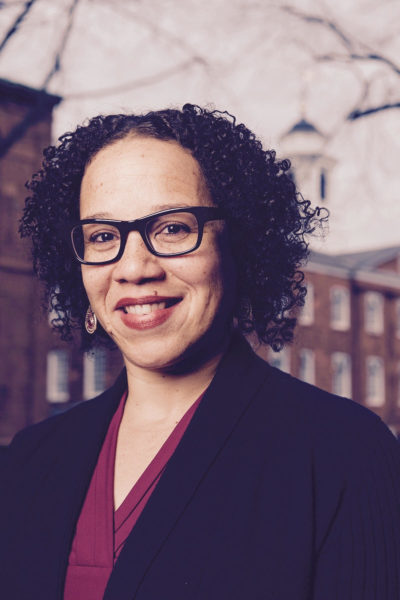
“I think anyone working on or in the archives of slavery is dealing with the supernatural.”
“I wanted to write a book that, as Anne Boyer says, ‘isn’t against us.'”