

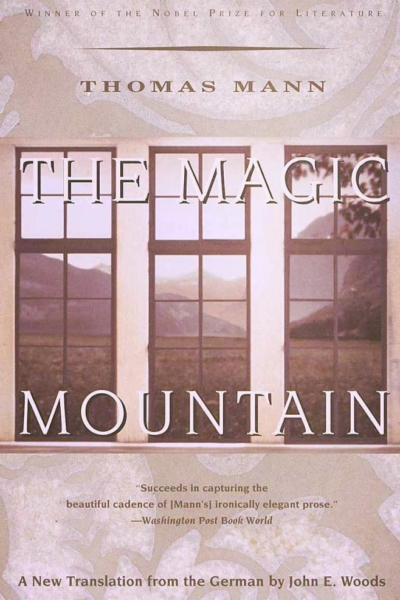
I want to find him there, waiting for me, behind the text. This is my necromantic hermeneutic. It brings me again and again to a place that I cannot traverse, the pit of his death.
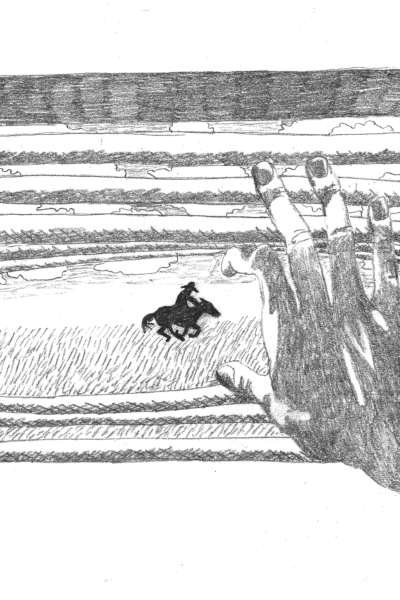
T.R. Fehrenbach’s spellbinding semi-fictionalizations of Texas history have an air of Manifest Destiny about them, Texas envisioned as a promised land for an exceptional people.
Full Stop Recommends, Fall 2013 (pt. 2)
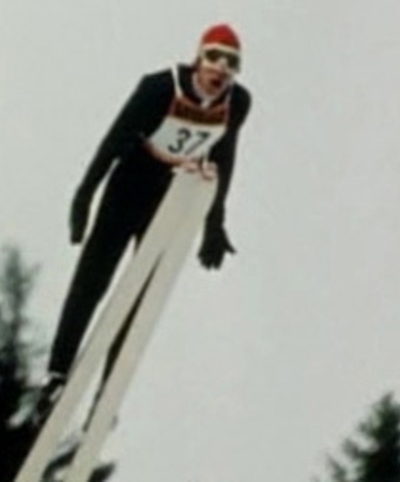
“This is the point,” Herzog tells the viewer, gesturing to the 179 meter mark, “where ski-flying becomes inhuman.”
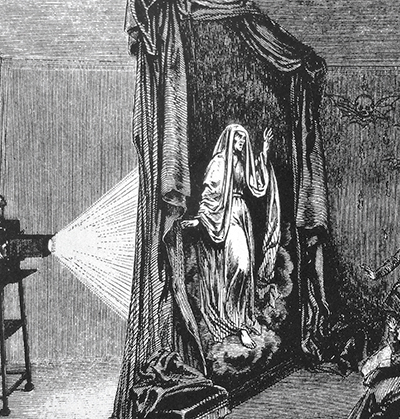
Awakening the Dead: Film and the Technologies of Wonder
Hugo traces a history of movie technology, but it also gestures towards something far more elusive and far-reaching: a modern history of the desire for pictures that come to life.
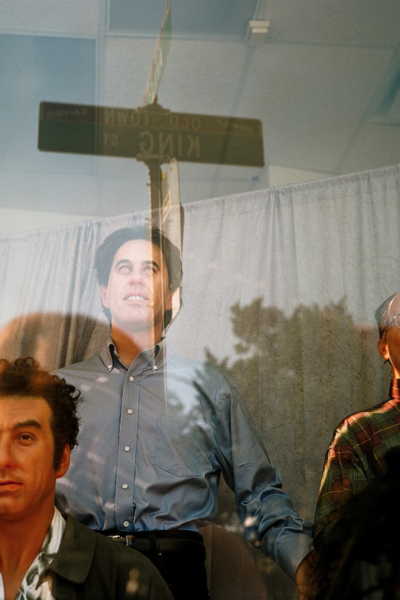
Full Stop Recommends, Fall 2013 (pt. 1)
“I have no health insurance,” you say, “and there is a hole in my sock.” Let us point you to some novels, short stories and animated gifs that will improve your outlook.
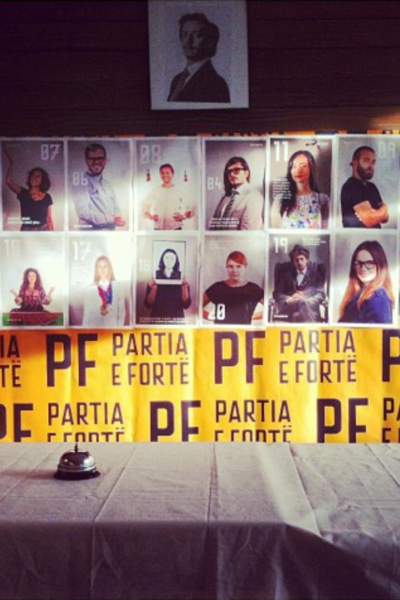
We Always Promise: The Making of Partia e Fortë
Kosovo’s satirical “Strong Party” makes visible the perversion of the nation’s political-ideological status quo.
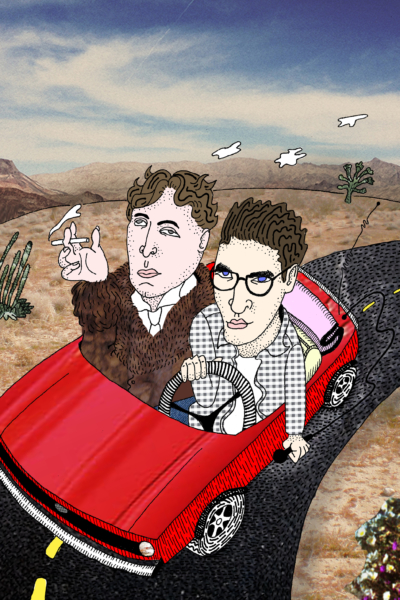
Like Morrissey, Oscar Wilde views his world with a humorous disdain, raising an eyebrow and a cigarette at its vanities and minor injustices. But, also like Morrissey, he seems to be performing his discontent like a character actor.
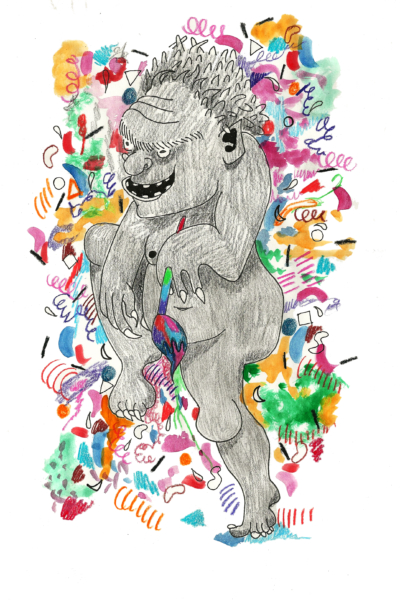
When an ordered society depends on maintaining a hierarchy of images, the ability to wield this kind of ironic superposition has a concrete political power.
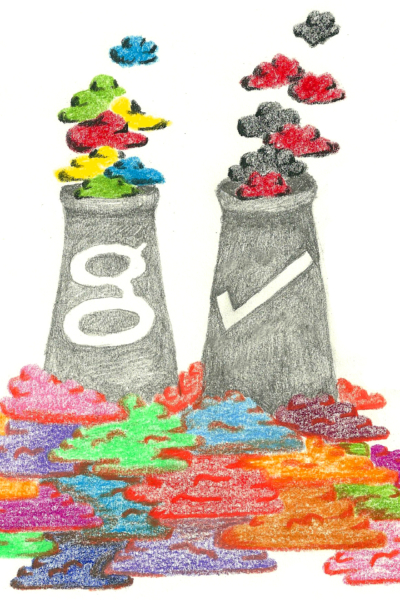
To focus simply on the immediate costs of NSA spying — deterioration of privacy, tactical inefficacy — is not enough. The destruction of the commons and the privatization of public space is an equal, if not much more serious, danger.
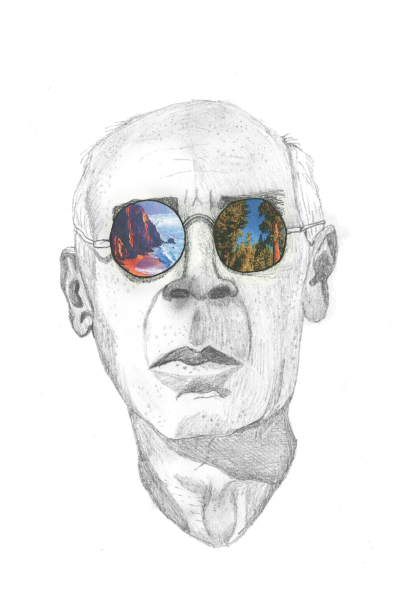
Where Nothing Happens: On the Henry Miller Library
How can the Library sustain its status as an exciting, relevant cultural institution, while remaining a refuge for the peace-seeking?