

Evil will stay evil. This is true in all the Coens’ work, and it may be why their movies always seem linked up with the Fates: because, unlike most of Hollywood movies, they are about life on earth.
I’m standing by books because they offer writers the space to dig in, to see if formal innovations and experiments can hold up, and provide the space for authors to take ideas to their limits.
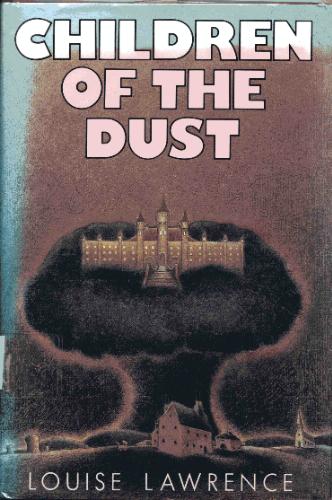
In Louise Lawrence’s 1985 young-adult novel CHILDREN OF THE DUST, mutation becomes a queering strategy for post-capitalist, posthuman survival.
I want vicarious immersion in a novel; I don’t wan’t to continue the sort of emotional performativity social media require.
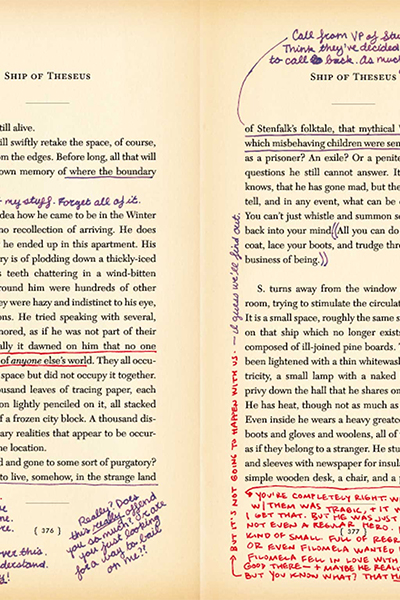
S., HOUSE OF LEAVES, and PALE FIRE treat metatext as mystery. But what’s the purpose of the authorial mystery story, not the whodunit but the whoisit?
I love the mediated intimacy of the internet, and the way it enables an aspect of me to have a relationship with aspects of a lot of other people.
I think that writing becomes significant through labor. The cherished things online, whether they be profitable or not, clearly spring from a place of great effort, even if in the end that effort is, as it usually should be, invisible.
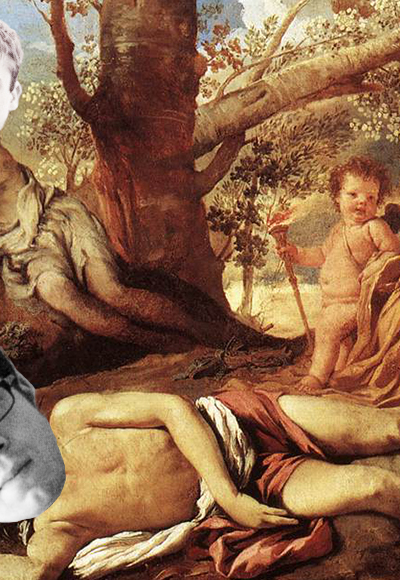
Narcissus and Ego: Poets Try the Novel
Ben Lerner’s LEAVING THE ATOCHA STATION and Dan Beachy-Quick’s AN IMPENETRABLE SCREEN OF PUREST SKY are grand narcissistic projects. But if that sounds like a slight, you haven’t listened to these books.
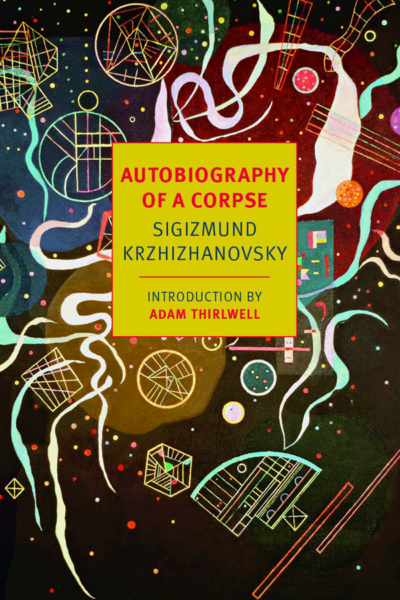
Books We Missed: AUTOBIOGRAPHY OF A CORPSE
Krzhizhanovsky comes across as a kind of Mikhail Bulgakov on drugs.
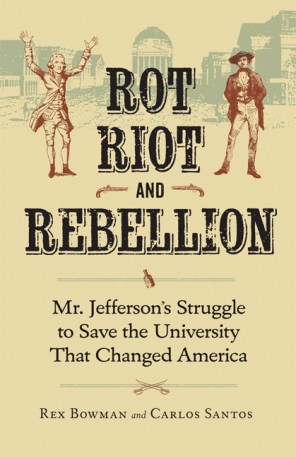
Books We Missed: ROT, RIOT, AND REBELLION
It is hard to overstate the debauched, terroristic nature of the students at UVA; if you’ve seen Sam Peckinpah’s STRAW DOGS you might have a pretty good idea.