

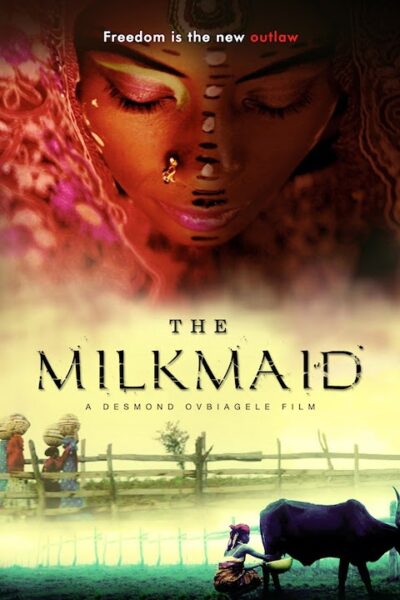
Censoring Power: Nollywood, Politics, and the Price of Creative Freedom
What appears local in Nigeria such as insurgent violence, political corruption, and institutional critique is, in this light, part of a familiar pattern: states using censorship or regulatory pressure to guide narratives, control moral perception, and shape collective memory.
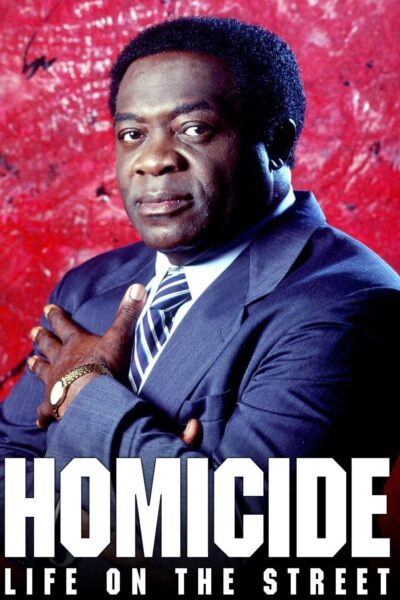
“Homicide: Life on the Street” and the Perverse Pleasures of Copaganda
How do we come to terms with the undeniable pleasures of this blatantly ideological genre?
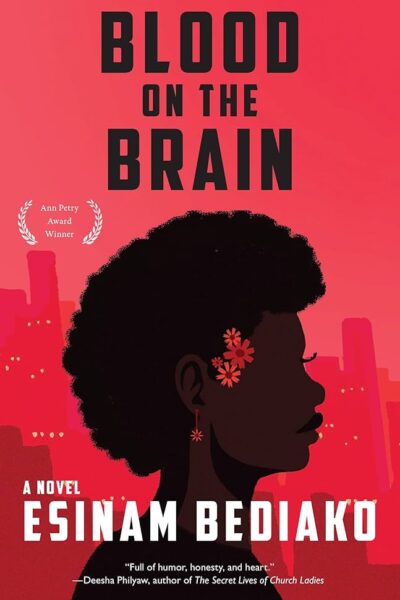
Traumatic Brain Novel: Debut Fiction from Esinam Bediako and Stacy Nathaniel Jackson
There’s a temptation, when we talk about illness and disability in fiction, to treat the body as either a tragic backstory or an inspirational obstacle course. These novels do something else.

Resurrecting the Dead in Confessional True Crime Memoirs
In both memoirs, evidence serves less to solve a crime than to reconstruct a self—both the dead family member and the writer grappling with their loss.
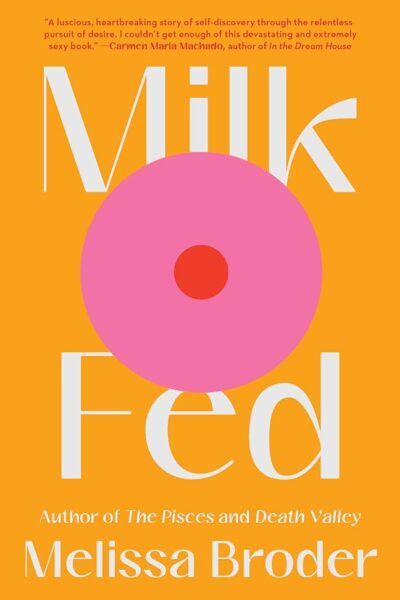
Boring Starvation: On Finding the Eating Disorder Book I Needed
For a while . . . I thought that no one should write about eating disorders at all because there was no way to do so without somehow glamorizing them.
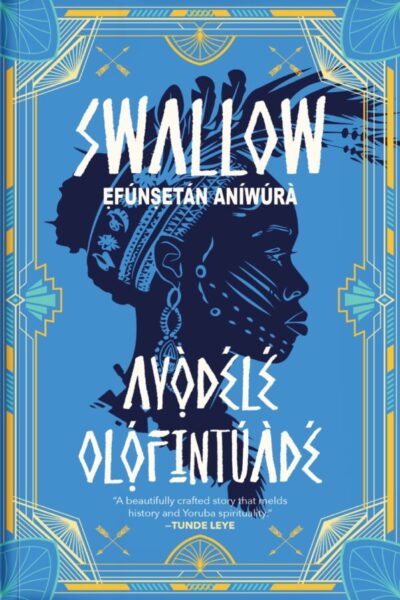
The Women We Inherit: Ayodele Olofintuade’s ‘Swallow’ and the Reclamation of Queer Histories
Our history is in the bodies they tried to straighten, the stories they would not write, the lives they refused to archive.

Elegy Already: Millennials at Middle Age
We were kids together. And now we are not.

Mouthing Off: Oral History as an Anticapitalist Form
An oral history is a unique form of nonfiction where, from the beginning, we are given no promise of truth and the editors make no claims toward a clear, ideologically-specific thesis about their subjects.
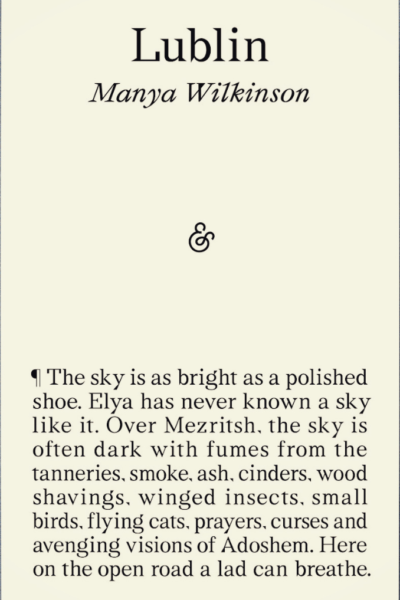
In Search of Impossible Places?: Lublin by Manya Wilkinson
Lublin is not only a road trip on foot in central Europe, nor a coming-of-age novel . . . It is the translation into fiction of the economic migrant’s existential condition, caught and lost in the endless borderland that extends between their deprived place of origin and the metropole’s illusion of socio-economic elevation and fulfillment.
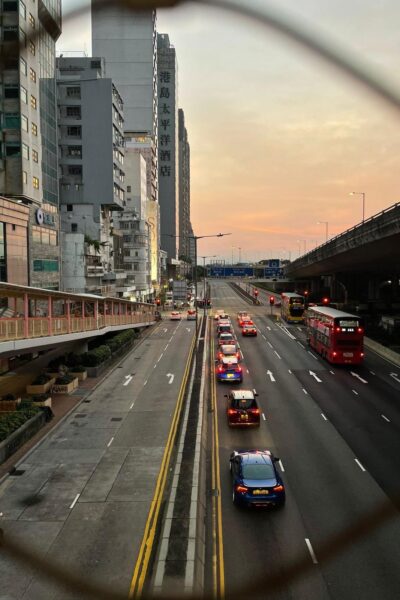
Love at Last Sight: Writing Hong Kong in Taiwan
Hong Kong is often represented as a port city—a colonial emporium, a gateway to China, a non-space of transit, a stop in multigenerational migrations, a floating city amnesiac about its past and uncertain about its future.