


Unlike with a fat crime novel, where plot is king and words are more like soldiers going off to battle in wave after wave, these words are precisely chosen to maximize the spareness of the prose
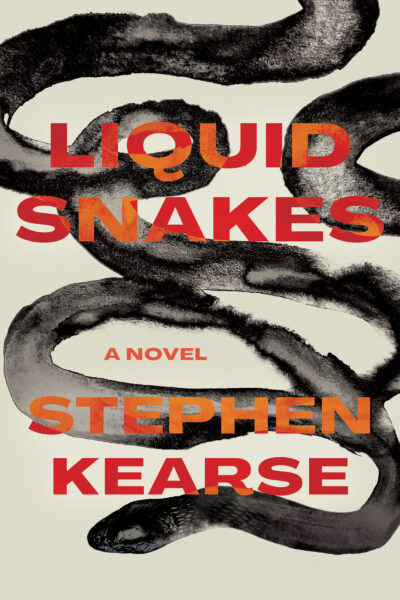
Liquid Snakes – Stephen Kearse
[Kearse’s hero] has been hurt by the carefully constructed cruelty of capitalism and doesn’t so much want to lift the veil but set it ablaze.
You Barely Even Work Here: On Higher Education and the Myths of Neutrality
Our complicity in capitalist transactions does not have to prevent us from learning together . . . We can let go of the increasingly stale idea that the classroom or campus is ever a pristinely objective or neutral space.

I am inspired by writers who write their own stories without worrying how they might be received or criticized by the White audience. That’s fearless, and writing work you can stand by is essential. There is no guarantee about how well it will be received . . . Writ[e] something you are proud of, that’s my goal.
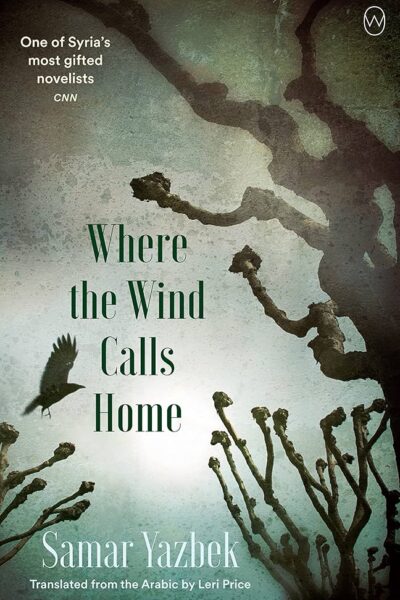
Where the Wind Calls Home – Samar Yazbek
The drama of recent Syrian history—the reign of the dictatorial Assad family, the brutal civil war begun in 2011—plays out in the struggle of one single consciousness trapped in its gears.
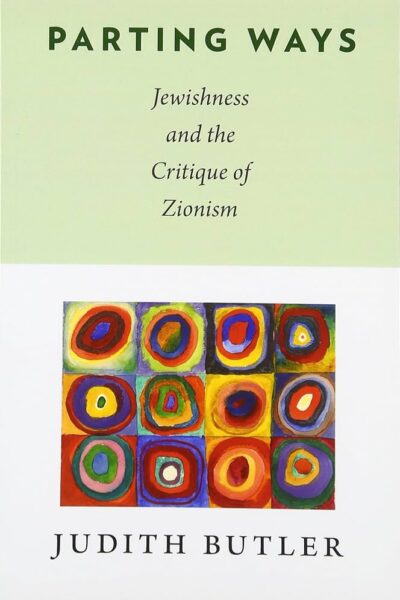
Jewish Authors Critical of Zionism
Jews across the diaspora . . . have been vocally demanding a ceasefire and organizing to take action. They are part of the long Jewish tradition of criticizing Israel and Zionism, which has existed as long as the idea of Israel.
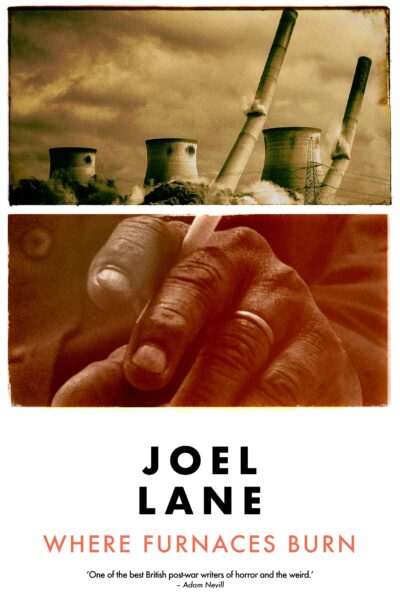
Where Furnaces Burn – Joel Lane
Lane seems to be claiming that there’s something fatally false about the industrial landscape, which appears natural but in fact is inimical to life. He warns, too, against worshipping machines that comfort us even as they kill.
I don’t think of transness as this ontological curse, but I remember thinking that way. Part of writing the novel was trying to undo that thinking, even as I represent it.
You don’t have to know anything about hockey to feel that Wendt does: they write it gorgeously, in prose thrumming with the rhythm of coordinated movement.
THE LONG FORM is about how a person lives with a long novel: in between the domestic motions of her day, Helen is reading and considering the form of Henry Fielding’s The History of Tom Jones and the origins of the English novel form generally—a distracted preoccupation, an interiority in relationship with the material demands of her day.