

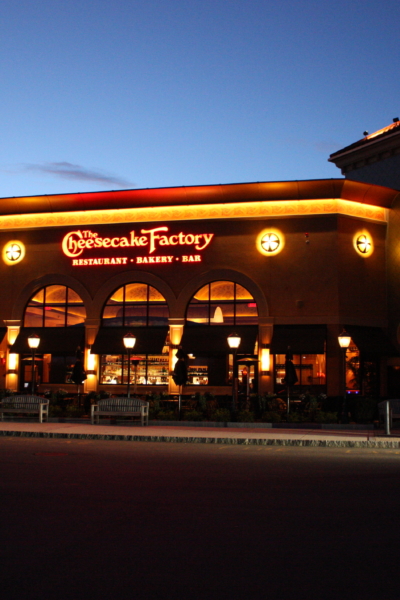
Indivisible: America’s Cultural Nationalism
Some people confuse all our talk of melting pots for the ingredients, not the final product. But it is the resulting mush, packaged and frozen and shipped out to all two-hundred-fifty locations, that we celebrate.
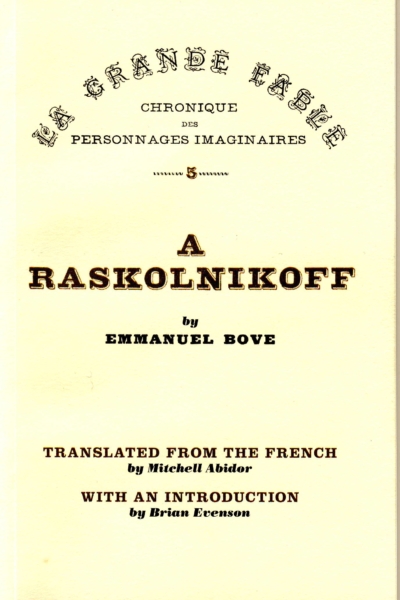
A Raskolnikoff – Emmanuel Bove
There are crucial realities here the writing is doing its utmost to convey, realities our realisms can’t confront, realities that require other aesthetics.

Celebrate Full Stop’s Fifth Anniversary by Buying a Blurb
Blurb our upcoming print collection!

There’s a lot of our voices moving in and out of one another, a lot of the desperation and resentment and defensiveness of teenage girlhood, a lot of that young anger at the mother for being a woman in a world that hates women (the horror!)
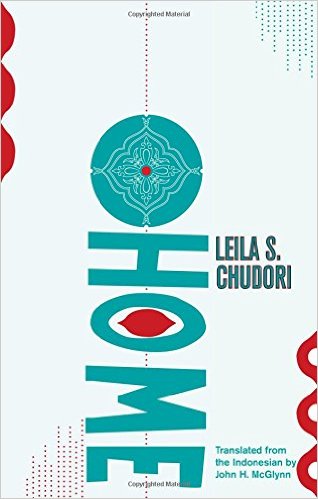
The figure of the flâneur is generally a de-politicized one; it is typically a man who observes the world from a safe, distanced, detached perspective.
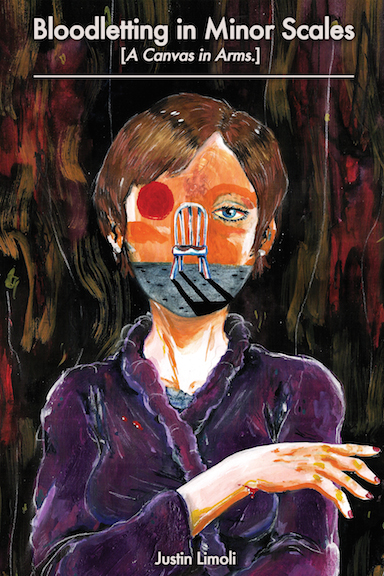
Bloodletting in Minor Scales – Justin Limoli
The dismissal of “heaviness” from experimental or mainstream quarters alike is an evasion.
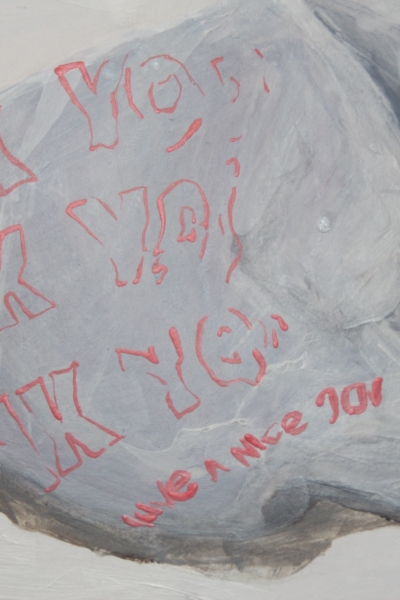
The work of being in pain every day is a form of manual labor in which the hours are unpredictable. The manual labor of being in pain every day is precarious because it is not a job you are paid to do, but a job that you pay to do, with your attention.
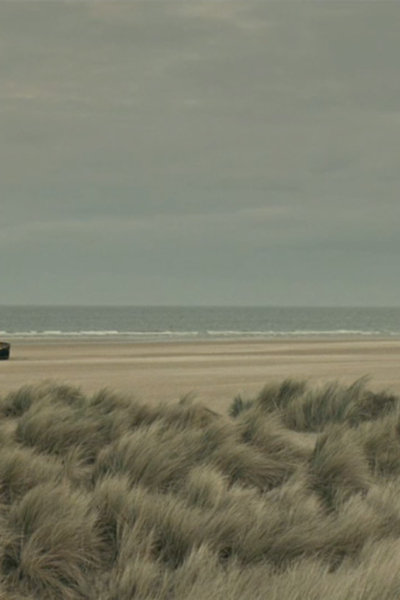
Simply put: if the characters aren’t impacted, the readers aren’t impacted. And impact comes through the idea of Aftermath.
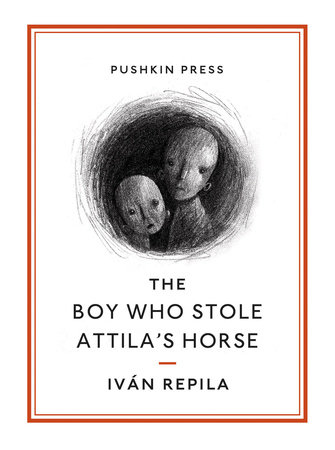
The Boy Who Stole Attila’s Horse – Iván Repila
“Small goes on dying for days, and his brother goes on keeping him alive. As if they were playing.” This is Repila’s game, and he’s good at it.
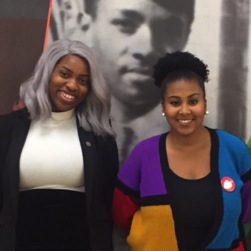
We basically wanted President Ono to say that he acknowledged that this was a murder, a hurtful thing. The University kept referring to it as “the incident.”