
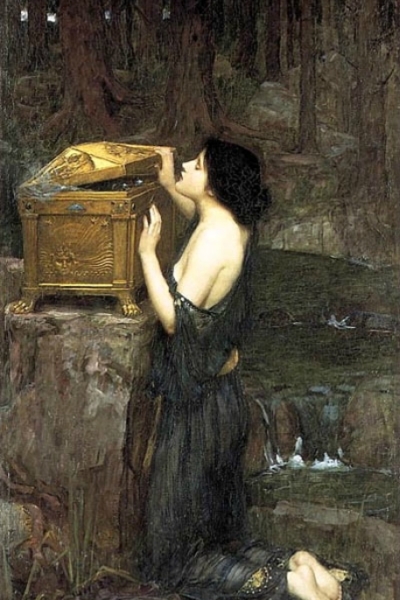
The ability to choose is a luxury, a delightful freedom, a tricky exercise for a mammal that probably never imagined it would be asked to decide so much.
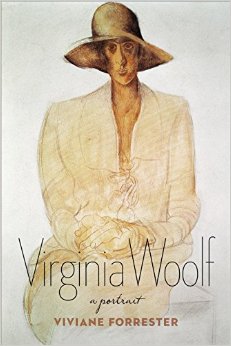
Virginia Woolf: A Portrait – Viviane Forrester
A heady blend of cod Freudianism and prurient psycho-sexual sleuthing, compelling and objectionable in equal measure.
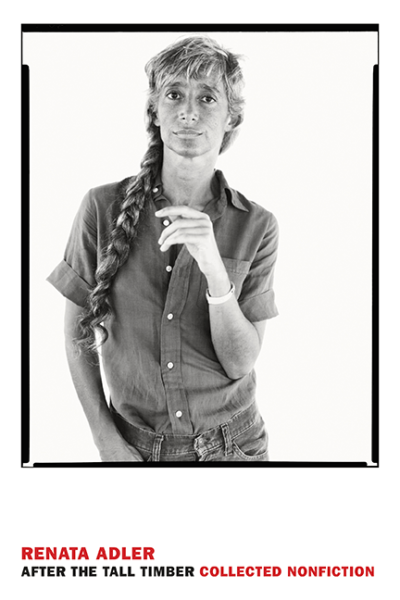
After the Tall Timber – Renata Adler
To anyone who reads it, either in its entirety or piecemeal, this book says, quite clearly: You have not been reading carefully enough.
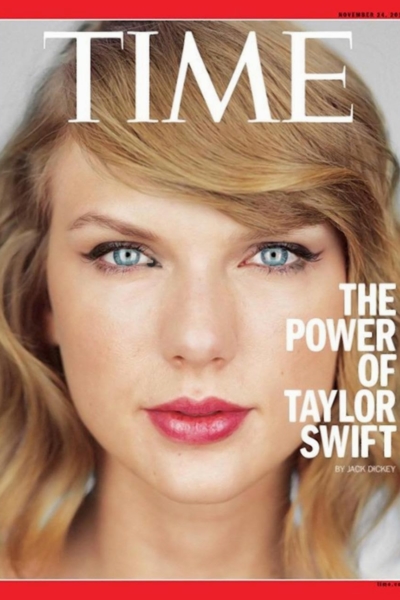
We have to go through an extraordinarily complex entanglement of experiences, norms, and systems of power and control to even scratch the surface of the political in popular music.
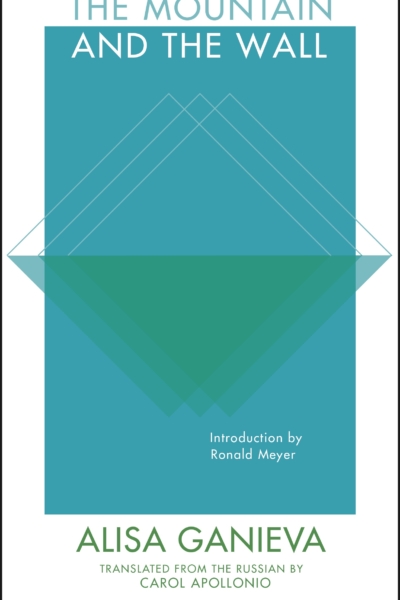
The Mountain and the Wall – Alisa Ganieva
But the greatest loss were the bronze statuettes, cast millennia ago, of bare-breasted, full-buttocked nude female figures, laughing horsemen with dangling legs.
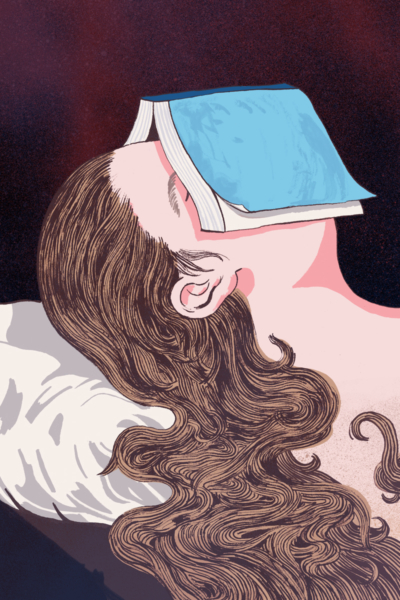
This Imaginary Half-Nothing: Time
There are dawns and noons and nightfalls, diseased interludes and riots and political turns, seasons of tumors and cures and poisons, and along with these the daily need to reproduce oneself as a living person.
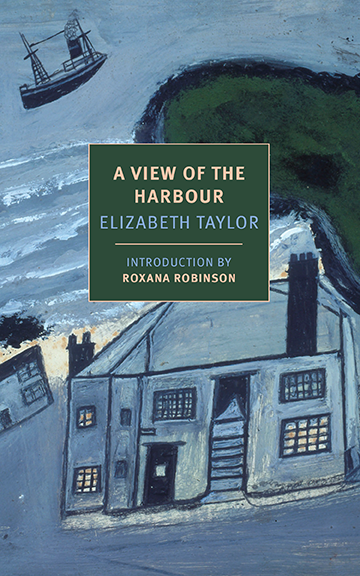
A View of the Harbour – Elizabeth Taylor
While there would perhaps be no Taylor were it not for Woolf, it is high time that Taylor is taken on her own terms and reclaimed as a major British novelist.
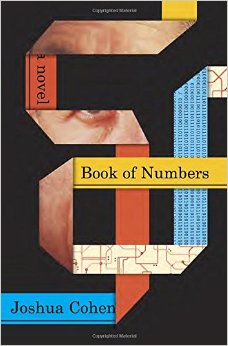
Book of Numbers – Joshua Cohen
The reader is put in the same position toward the novel’s depicted world as the protagonist is toward his own life, alienated as he is from his marriage and his career.
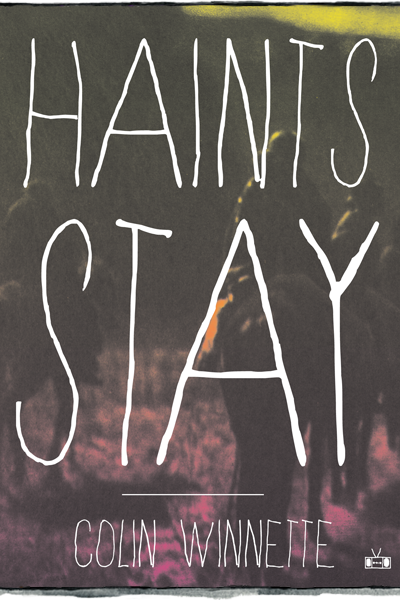
Haints Stay is dark, and bloody, and violent: raw and cutthroat and still capable of reducing you to helpless snickers.
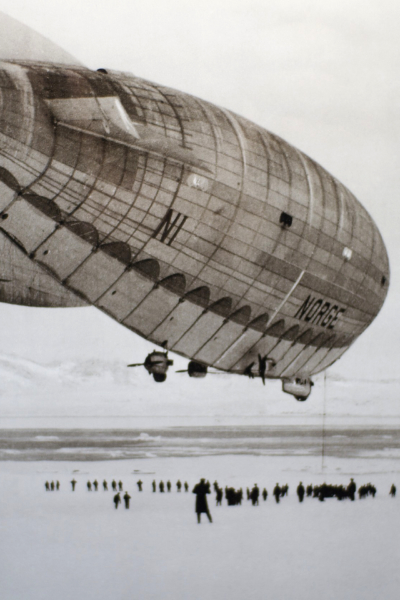
The Perils of Optimism, with Zeppelins
Truth itself won’t be comforted, but there’s solace in seeing the huckster unmasked. On American optimism and THE CARP CASTLE by MacDonald Harris.