

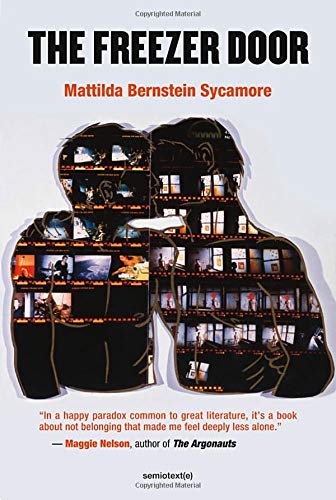
The Freezer Door – Mattilda Bernstein Sycamore
Mattilda Bernstein Sycamore’s THE FREEZER DOOR is an important book because it challenges our assumptions about the world, and in doing so, gives us hope that an alternative might be possible.
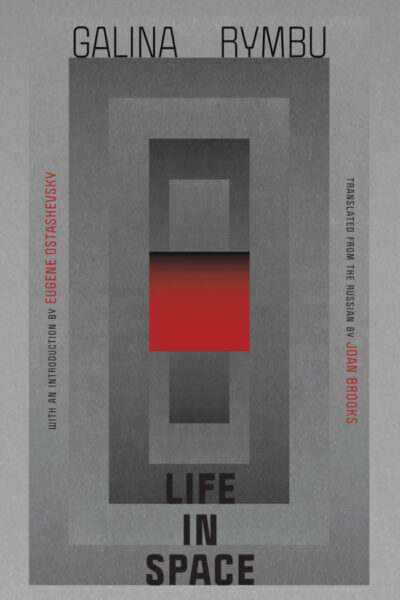
Rymbu’s frozen utopias, fiery refineries, crashing celestial bodies offer a flight-map, a conviction that poetry will be our door to the language, thought, and communion of freedom.
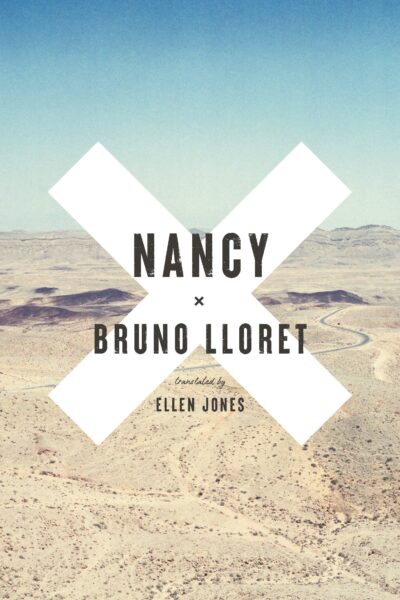
Lloret leans into the uncanny and absurd to illustrate the devastating and very real effects that capitalism and climate change have on everyday Chileans.
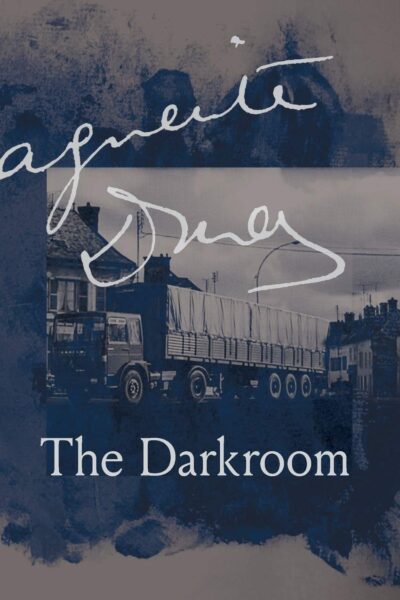
The Darkroom – Marguerite Duras
In distilling a great deal of the mechanisms that make Duras one of the most important writers of European modernism, THE DARKROOM is an enlivening reminder of what the struggle of literature is for.
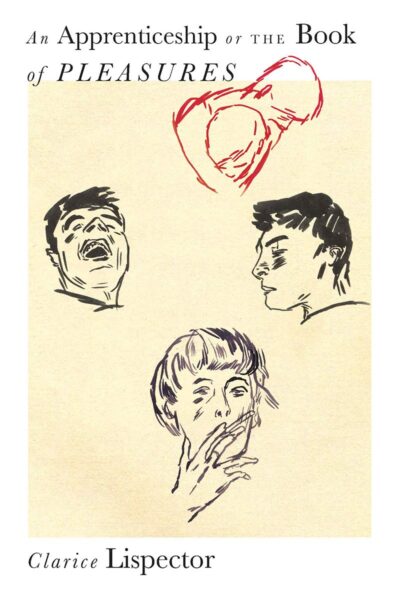
An Apprenticeship or the Book of Pleasures – Clarice Lispector
Lispector’s fiction pushes us to become apprentices of language itself, to find pleasure in the cadences of subjectivity, and to seek out how our articulations of desire and pain weave our reality.
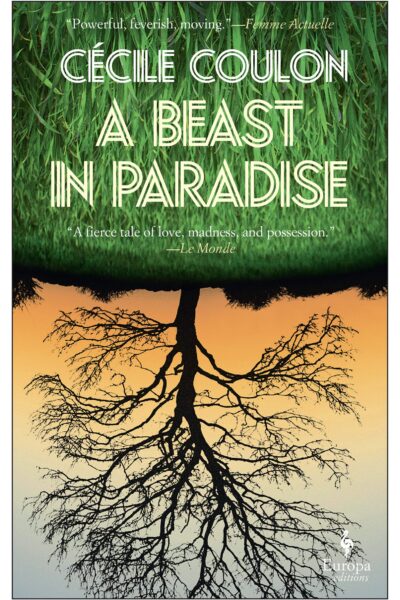
A Beast in Paradise – Cécile Coulon
A Beast in Paradise is far less a rural book, let alone a small-town book, than a farm book.
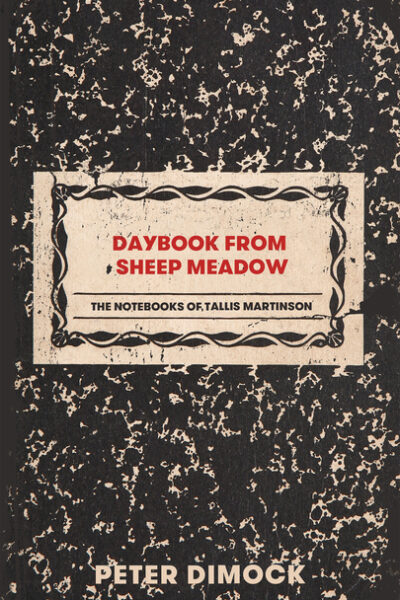
Daybook from Sheep Meadow – Peter Dimock
It really is hard to imagine a novel more devoted to a polemical, political purpose than DAYBOOK FROM SHEEP MEADOW.
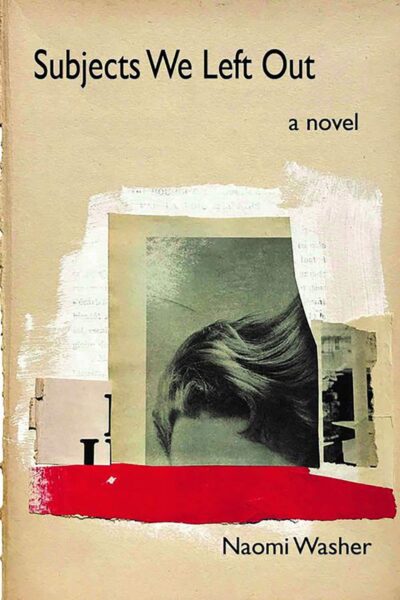
Subjects We Left Out – Naomi Washer
I found myself particularly interested in the way that Washer uses the act of translation as a means of not just moving from one language to another but as a way to understand or translate another person.

The Hawthorn Archive – Avery F. Gordon
THE HAWTHORN ARCHIVE explores the utopian margins and revolutionary thinking that reside outside of the racialized historiography and narrow discourse of the Western conception of utopia.
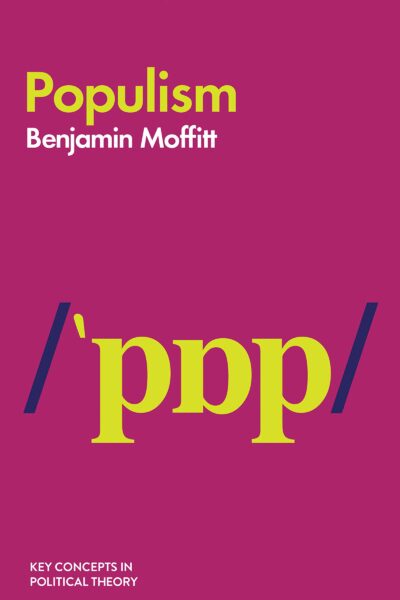
Since newsrooms around the country are churning out think pieces about populism in an accelerating news cycle, we need the work of scholars like Moffitt to help establish a baseline for how to understand these phenomena.