

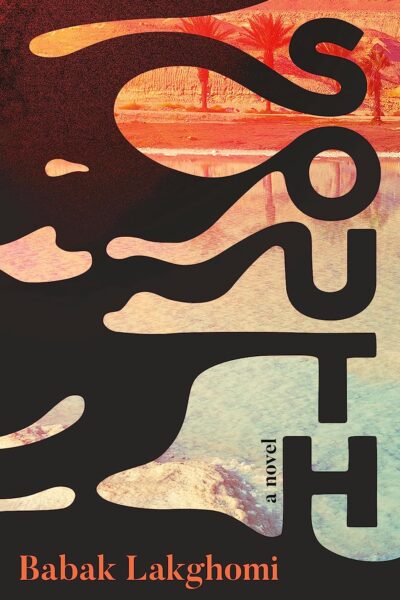
Stories are important when we live in a world where the truth is hidden and ugly, a world where most people have so little power over anything, where fate feels like wind, powerful and inexplicable.
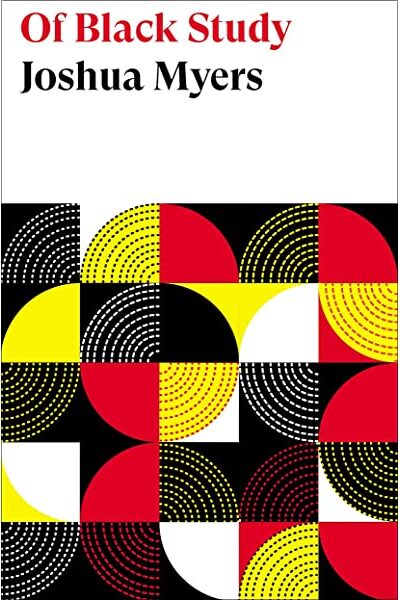
Black Studies is most at risk when it is said to fit comfortably—uncomplicated and uncomplicating—astride a business-as-usual curriculum.
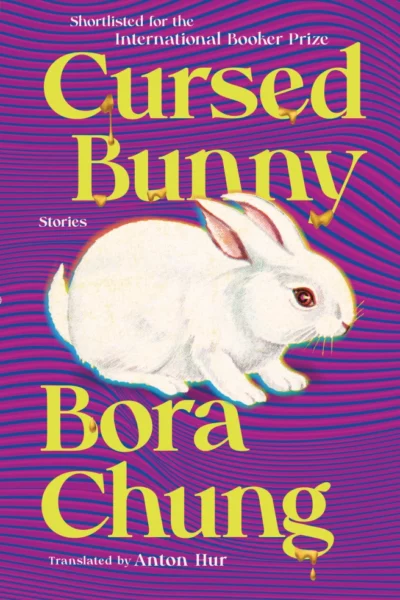
Chung paints each story with similarly hair-raising color palettes, but smartly refuses to limit herself to one structure, subject, or genre.
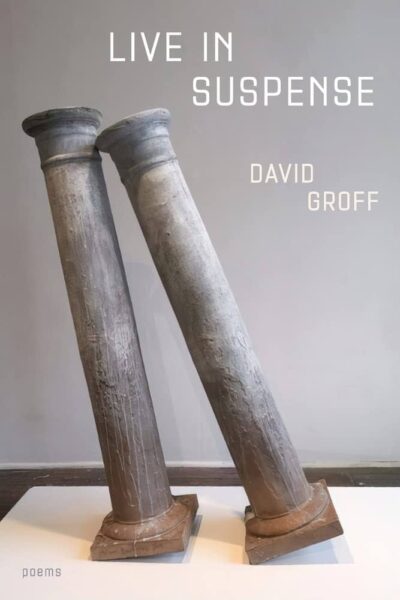
Live in Suspense – David Groff
Prior to the development of antiretrovirals, HIV/AIDS was an illness characterized by suspense: Which complications will I experience? . . . How will having HIV impact my housing and employment? How much time do I have left?

The Kingdom of Surfaces – Sally Wen Mao
The Kingdom of Surfaces is an honest portrayal of the evils of commodification as well as what we humans are willing to suffer through or cause suffering upon for the sake of beauty.
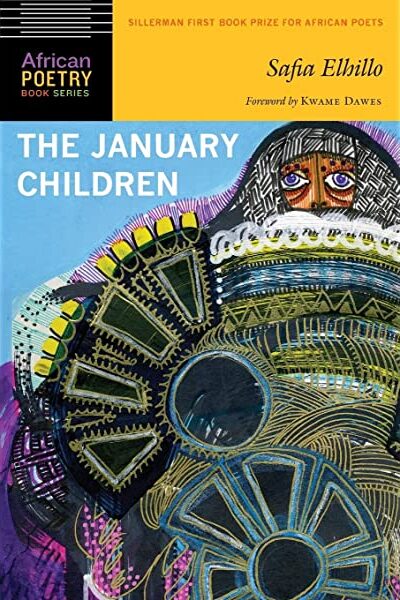
The January Children – Safia Elhillo
In The January Children, the power of poetry unfurls like a tapestry of emotions, weaving together the threads of nostalgia, history, and longing.
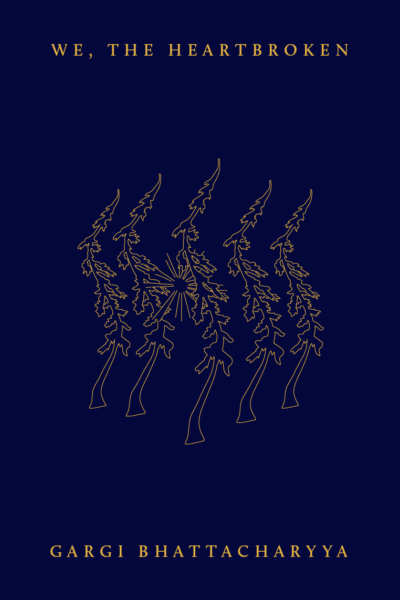
We, the Heartbroken – Gargi Bhattacharyya
The point, perhaps, is to feel our way through these muddy waters together: to look to the horizon, even if we might not yet know how to row.
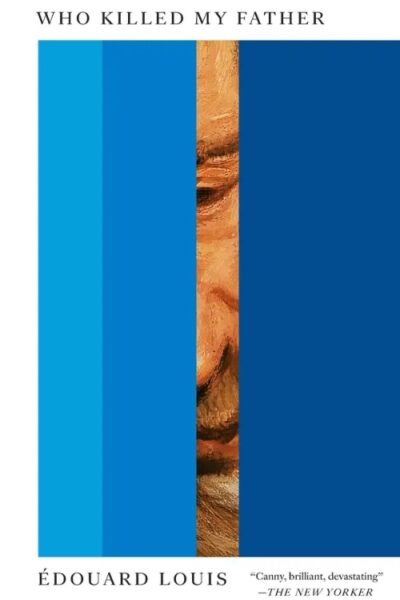
Who Killed My Father — Édouard Louis
Édouard Louis’s father is not dead, but the political ruling class in France have, in one way or another, killed him. And Louis intends to name names.
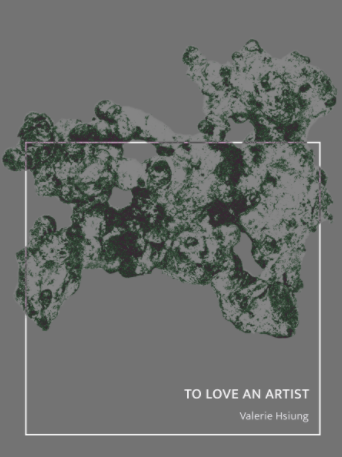
To Love an Artist – Valerie Hsiung
What does it mean to write within a global economy where some possess a choice-giving mobility—like the ability to make art and travel—while others remain locked in grueling struggles for survival?
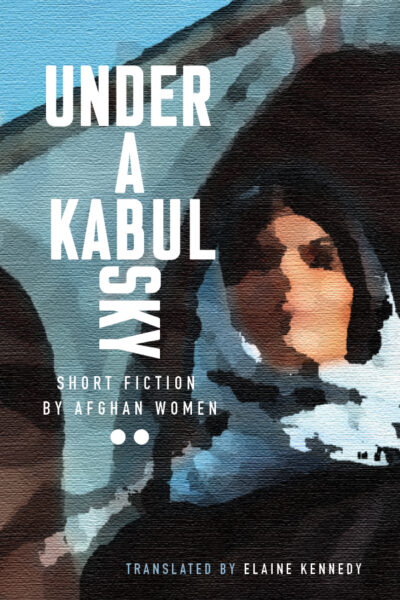
Under a Kabul Sky: Short Fiction by Afghan Women
Given the cavernous absence of Afghan women short story writers in English anthologies of Persian literature, it is ground-breaking that we have collections like Under a Kabul Sky.