


We bind discussions of newness in literature to the categories we’re supposedly abandoning.
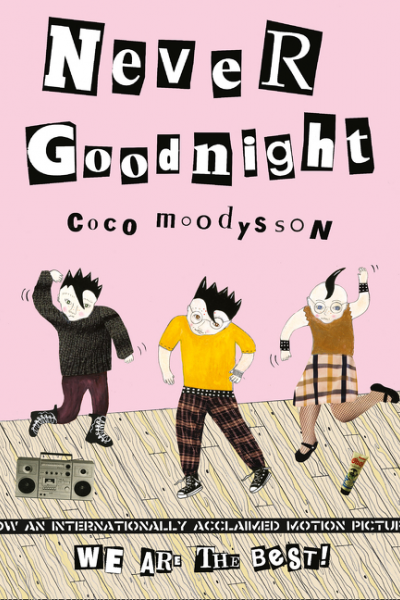
Never Goodnight – Coco Moodysson
Moodysson so accurately nails the conflicting tones of preteen anxiety and exuberance that even the sweetly childish games the girls play may be read as personal and somewhat embarrassing.
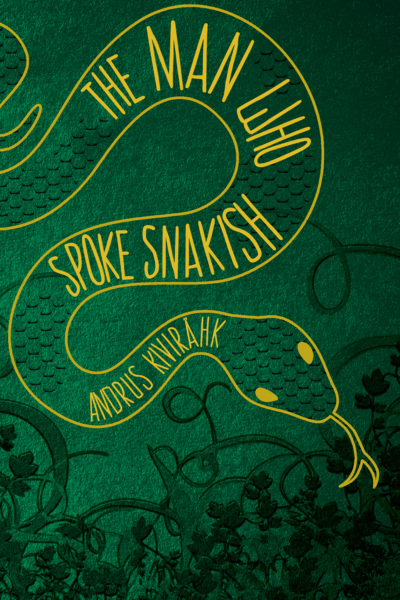
The Man Who Spoke Snakish – Andrus Kivirähk
Deeply anti-religious, the novel questions society’s ability to believe one set of mystical explanations while rejecting behaviors as primitive that have directly enabled their survival for generations.

I love to imagine a future in which a young trans writer can embrace this book as talismanic and important because it reflects something beautiful and singular.
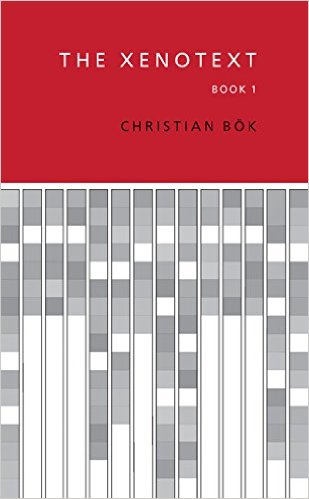
The Xenotext: Book 1 – Christian Bök
The Xenotext feels like nothing so much as high-tech genetic graffiti: “Christian wuz here” in microbial verse.
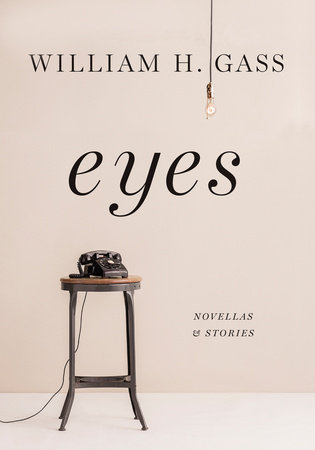
Eyes: Novellas and Stories – William H. Gass
Taken together, these stories offer a sample of the methodologies and preoccupations that have defined Gass’s fiction, and the book could serve as a primer on the virtuosity of his language.
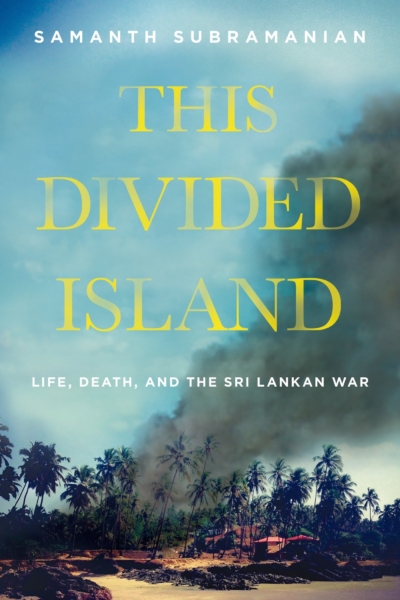
This Divided Island – Samanth Subramanian
Divided Island, then, is a post-war book, which tries to saturate its pages with the atmosphere of war.
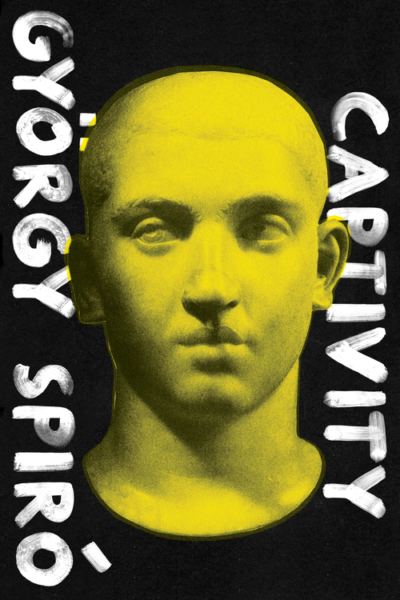
If creating great historical fiction requires more than an intellectual curiosity about the past but also an appreciation for the nuanced way that history’s shadows accrete to color our present, then Hungarian author György Spiró’s Captivity stands with the best of the genre
Cosmic Pessimism – Eugene Thacker
Thacker’s text isn’t a monument; it isn’t even a book.
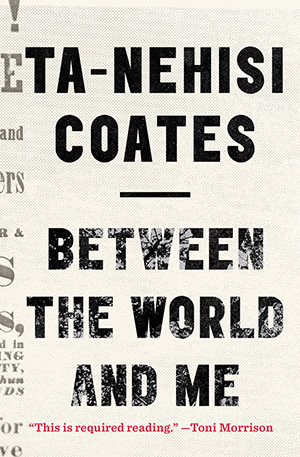
Between the World and Me – Ta-Nehisi Coates
Ta-Nehisi Coates does not write to blunt edges. He writes so that it might be possible to slice away the protective illusions that obscure the brutal reality of blackness in America.