

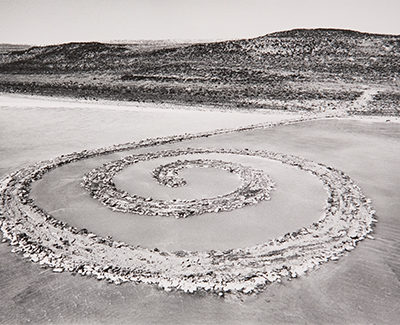
OS Grabeland, perhaps even purposefully, nonetheless rests on what feels like a slippery ethical slope.
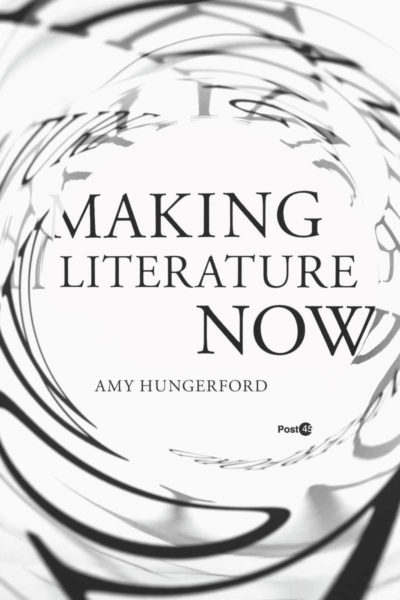
Making Literature Now – Amy Hungerford
Hungerford complains about the power of the commercial market to make reputations, but doesn’t “interrogate,” as professors say, her own institutional power.
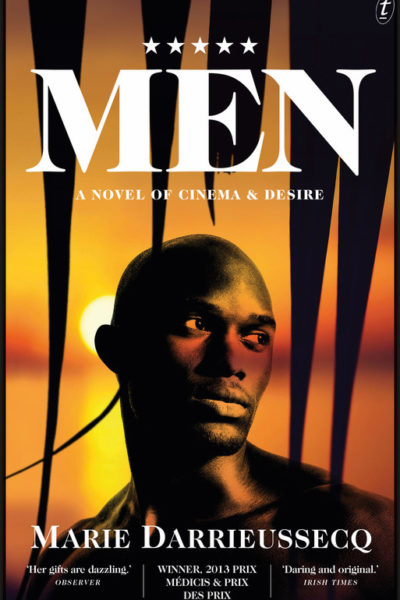
Mistah Kurtz! – James Reich; Men – Marie Darrieussecq
There are so many holes, enigmas, untold stories, and railroaded-potential-narrators left to potentially attend to in H of D, and to my mind, none are Kurtz.
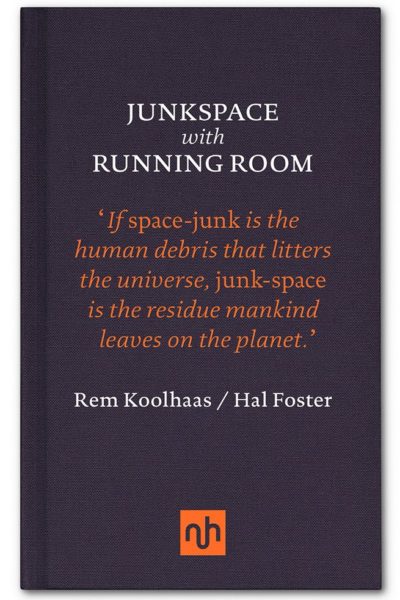
Rem Koolhaas and Hal Foster – Junkspace/Running Room
Junkspace appears to be a concept, but it’s not, really; it’s more a slogan, one meant to umbrella over every bit of architecture.
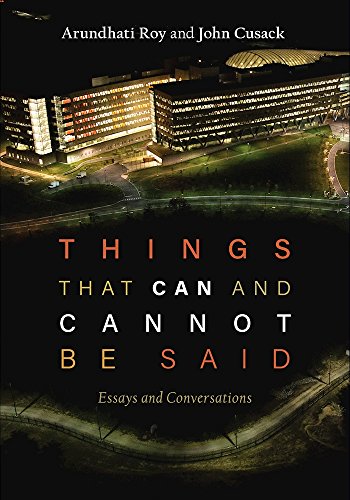
Things That Can and Cannot Be Said – Arundhati Roy and John Cusack
In THINGS THAT CAN AND CANNOT BE SAID, traveling to see Snowden is a little like waiting for Godot. The non-event clears the way for an empty contemplative space.
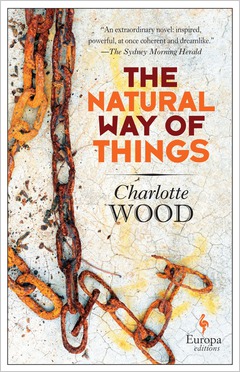
Charlotte Wood – The Natural Way of Things
To some, THE NATURAL WAY OF THINGS, as an allegorical novel, might seem a bit on the nose in terms of how it tackles misogyny, particularly slut-shaming.
Clothed, Female Figure – Kirstin Allio
Class, as much as gender, impacts the way Allio’s characters experience the world.
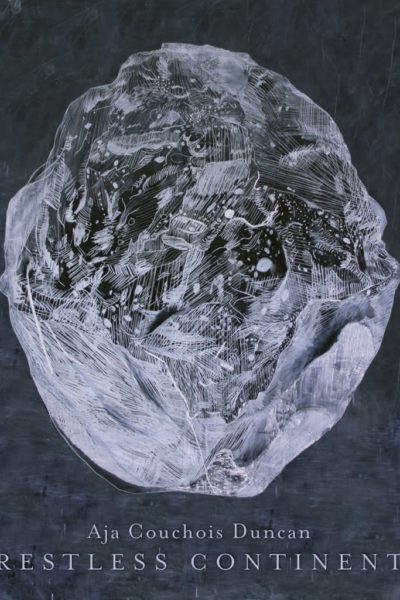
Restless Continent – Aja Couchois Duncan
The speaker, a person split between Ojibwe and European lineages, is uninterested in narratives that paint the colonization of the North American continent as a sentimental tale of innocence lost and civilization found. How would the earth remember?
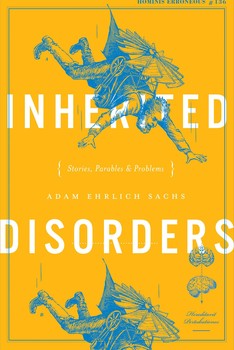
Inherited Disorders – Adam Ehrlich Sachs
An inheritance, then, is just another way by which fathers and sons disappoint and misunderstand each other.
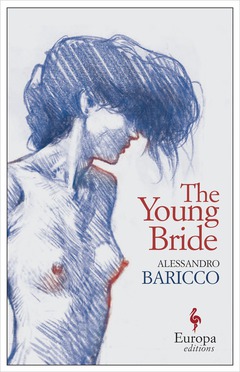
The Young Bride – Alessandro Baricco
This novel is a captivating, fable-like story about a family that lives each day the same as the last in order to suspend the passage of time. It is a quirky, beautiful, and warmly humorous reflection on how the fear of our own mortality affects the way that we live our lives.