

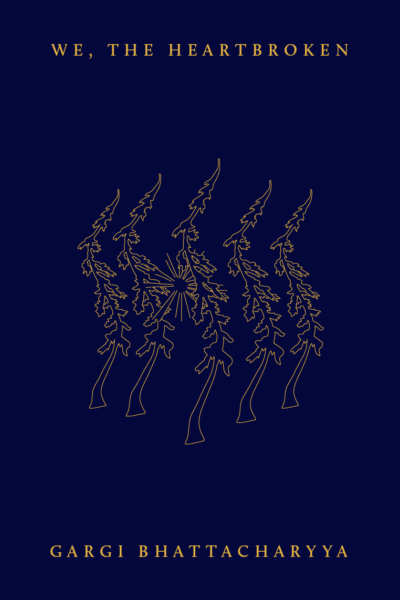
We, the Heartbroken – Gargi Bhattacharyya
The point, perhaps, is to feel our way through these muddy waters together: to look to the horizon, even if we might not yet know how to row.
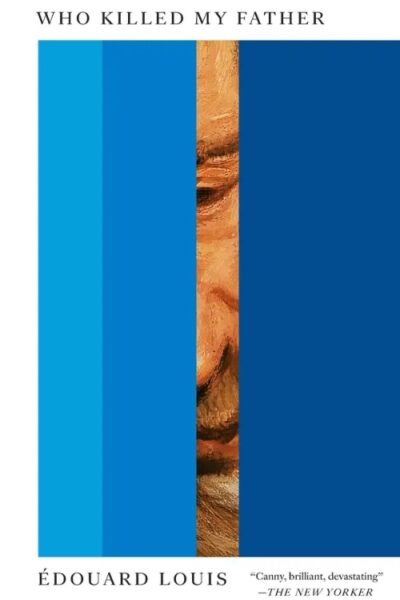
Who Killed My Father — Édouard Louis
Édouard Louis’s father is not dead, but the political ruling class in France have, in one way or another, killed him. And Louis intends to name names.
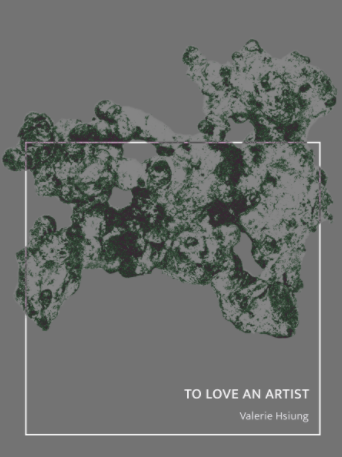
To Love an Artist – Valerie Hsiung
What does it mean to write within a global economy where some possess a choice-giving mobility—like the ability to make art and travel—while others remain locked in grueling struggles for survival?
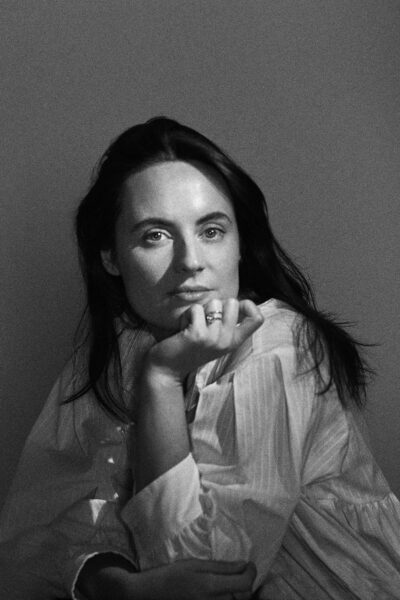
I never wrote anything beyond a few notes on my phone while I was home . . . When it was all so close, I felt like I couldn’t see any of it properly. I found it much more generative to recall the settings from a distance, through memory.
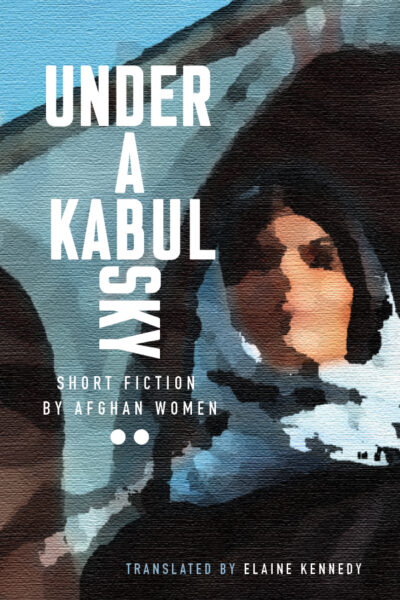
Under a Kabul Sky: Short Fiction by Afghan Women
Given the cavernous absence of Afghan women short story writers in English anthologies of Persian literature, it is ground-breaking that we have collections like Under a Kabul Sky.
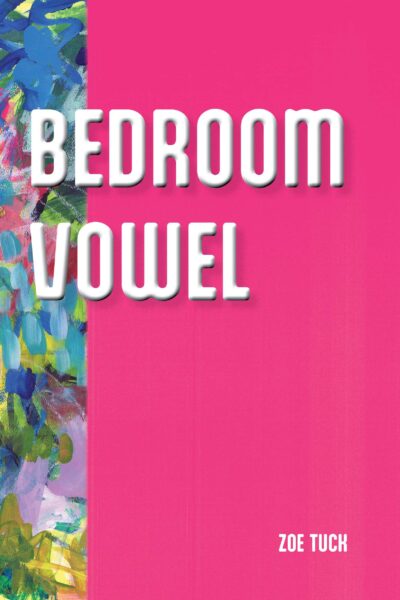
I might be biased, but I think poetry is maybe the best place to imagine a better world. Not least of which because the tools are so cheap (pen and paper, or even just speech and dreams), making it a widely accessible form.

As post-apocalyptic as they come, Sift refuses to imagine a return to agriculture and self-government. The world truly and finally ends.
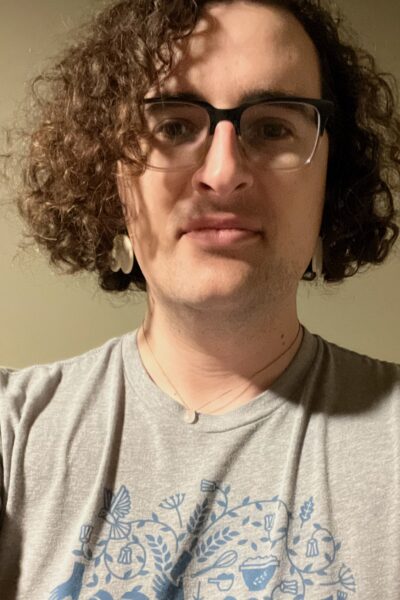
I believe that it’s important to acknowledge the ugly feelings. Don’t stuff them, suppress them, ignore them. I don’t like to be jealous, but I’m not going to pretend I’m not.
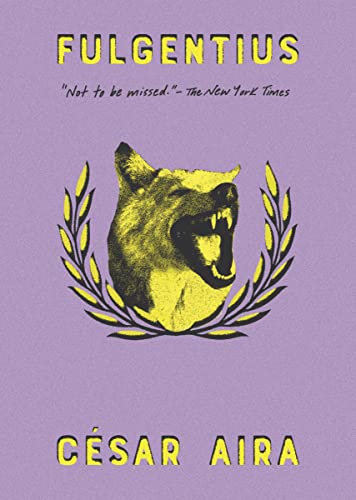
Even in an age of exhausted postmodernity, in which there’s supposedly nothing new under the sun, the imagination may give rise to something unforeseen, unprecedented: We’ll know it by our laughter.
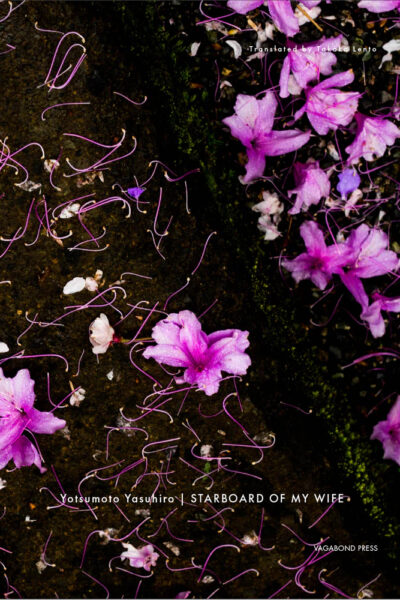
Starboard of My Wife – Yotsumoto Yasuhiro
The stuff of life, no matter how quotidian—indeed, precisely because it is quotidian—becomes the raw material for invention, like a long marriage.