

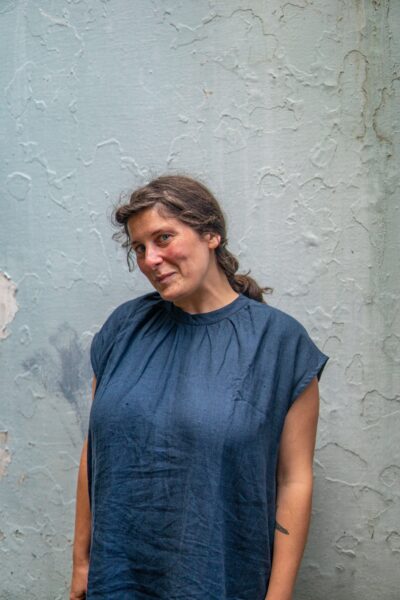
When we widen language, we widen understanding and we widen questions. We allow for questions that we might not necessarily allow for if things are too boxed off. I feel like it’s questions that are going to get us through.
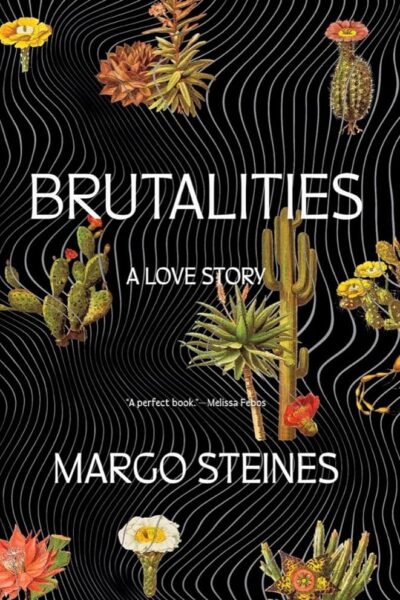
Brutalities: A Love Story – Margo Steines
The narrative bite of Brutalities is generated by [its] juxtaposition: the magnetic charge between Steines’s longing for gentleness and her attraction to violence.

Sánchez didn’t believe in depression at first—or any mental health condition for that matter. . . . Like me, she’d learned that people just needed “to snap out of it or to pull themselves together.” If only it were that simple.

So Many People, Mariana – Maria Judite de Carvalho
Practiced in Portugal for centuries, censorship had been ingrained in literary culture by the time Maria Judite de Carvalho, one of the country’s most important twentieth-century authors, began writing.
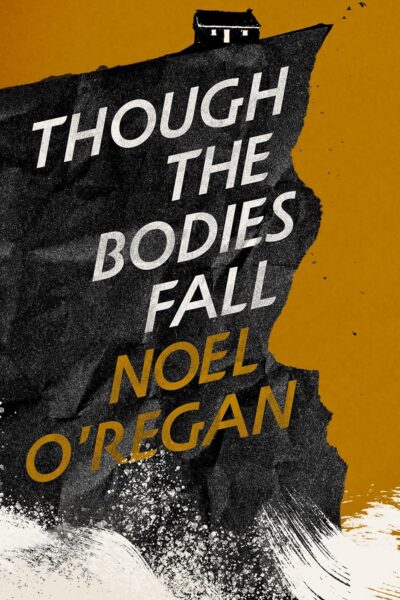
Though the Bodies Fall – Noel O’Regan
The visitors of this “tourist’s dream of a rural Irish cottage” were lost souls who came to the cliffs to find eternal peace. In short, the home was a known suicide spot.
[TW: self-harm, suicide]
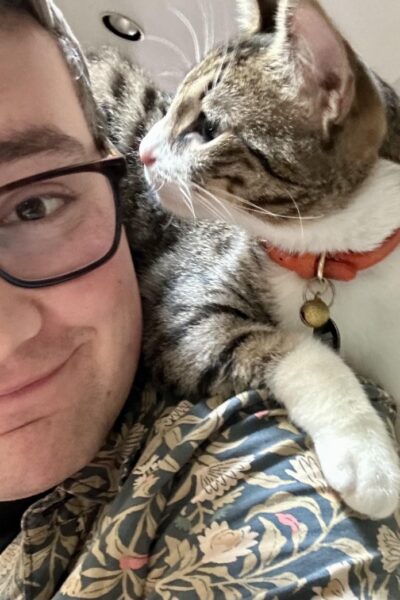
When you’re on the flat part of [a] phase transition . . . you can’t just go blitz through it. . . . You need to give that change its proper attention, like letting the water still in a pond so you can see the leaves from underneath, their reflection.
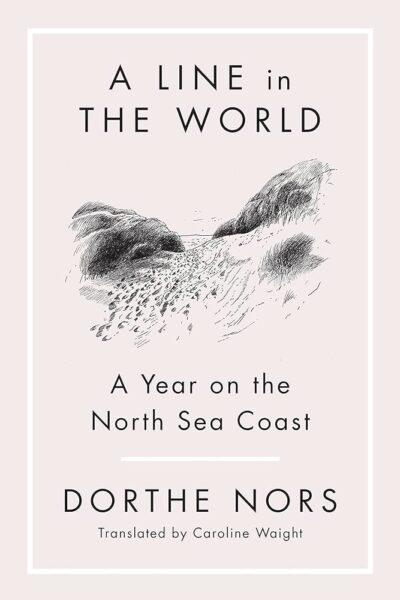
A Line in the World – Dorthe Nors
Whether visiting a lighthouse with the author, or a seaside museum, one always senses the nearness, vigor, and life-endangering threat of the churning waters.
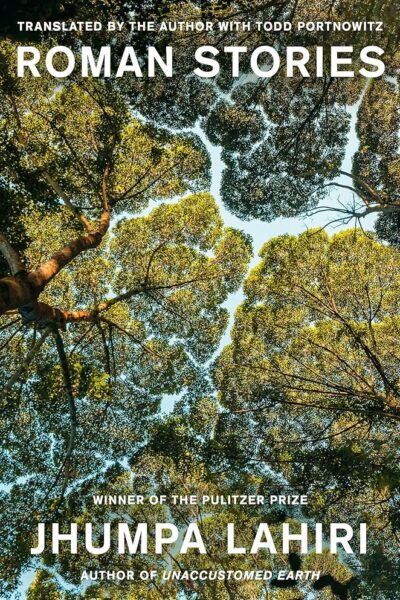
Each character’s Roman sea is quite different, but the similarity remains: Each has been tossed up on its shore.
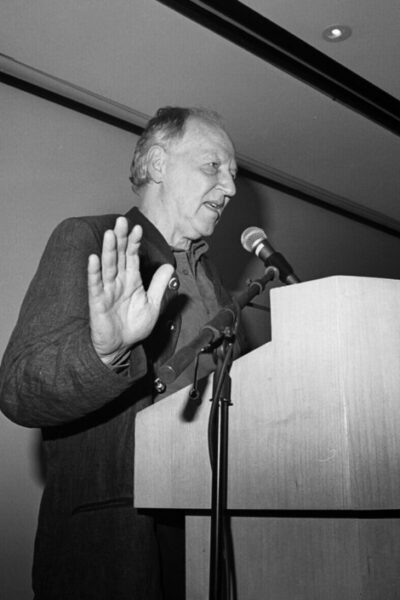
Ecstatic Truth in the Age of American “Truthiness”: On Werner Herzog’s The Twilight World
The triangulation of the novel and “fake news” and Werner Herzog’s whole deal signals discomfiting connections between the United States’ current flirtations with authoritarianism and certain notions of artistic freedom.

When translator Sarah Booker came to Coffee House with pitches for the translation of both novels of Ojeda’s, the press thought it best to have JAWBONE precede NEFANDO, allowing the former to serve as amuse bouche to the latter’s more toothsome topics.
[TW: sexual abuse, child abuse]