


Human Sadness – Goderdzi Chokheli
HUMAN SADNESS has the unique feature of being translated by five different translators, all based around the Oxford Georgian Translation Project, to preserve the tonal differences between the various chroniclers . . .
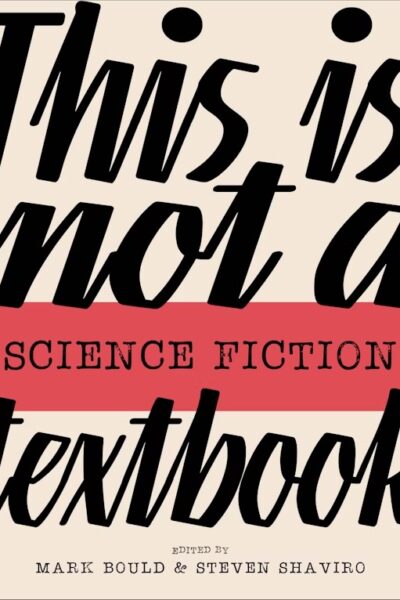
One of the great potentials of science fiction is its ability to relativize our own experience, to put it in different contexts.

The Translator’s Daughter – Grace Loh Prasad
Framed through the lens of Prasad’s shifting relationship with her parents across geographies, THE TRANSLATOR’S DAUGHTER is a startling, aching account of [her] relationship to home.

Groove, Bang and Jive Around – Steve Cannon
Discomfort is the mission. Comic madness is the method. After reading Cannon, there’s no going back to the world you came from.

It sort of seems old-fashioned now, but I consider myself a social realist. I like to work on big canvases. I like books that take on the whole world.

A Mouth Holds Many Things – Dao Strom and Jyothi Natarajan, eds.
A MOUTH has paved the way for future collections to follow . . . in a freshly de-canonized publishing universe, wherein works are able to discover a readership on the merits of their ingenuity and strangeness, rather than merely because they contribute or respond to whatever host of works precede them.

The Berlin Wall – David Leo Rice
In The Berlin Wall, the cycle between tragedy and farce spins on, gaining speed as spells of incredible violence are desperately suppressed by the forces of order, only for the boil to begin bubbling against the lid once more.

Rebirth in the Ash Heap of istoriya
Hoffman had to translate a Ukrainian particularity into an American one. This task shows the power at the core of the art of translation.

Forever—a terrifying idea in many regards. It’s not proper to earthly creatures.
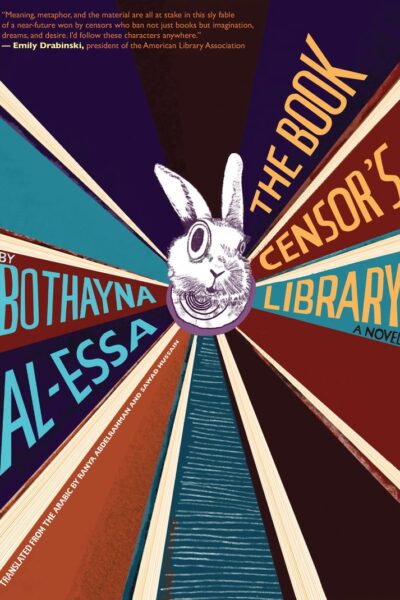
The Book Censor’s Library – Bothayna Al-Essa
In this world, the internet no longer exists, religion has been reconstituted into state-approved mush, the buildings are all gray slabs, and everyone wears khaki—for the good of the people, of course.