


I didn’t have a grand narrative. I didn’t have one idea of what it meant. I had many ideas of what might be happening to me, what sort of transformation this was . . . I wanted to leave room for that uncertainty and that process of making up my mind.

Generation Loss – Elizabeth Hand
It was true in 1959, it was true in 2007, and it is true in 2024 that a woman is considered upsetting when she can’t roll with the world. Hand’s Cass Neary distinguishes herself from Jackson’s tradition by intentionally refusing to aspire to a mainstream life and surviving anyway.
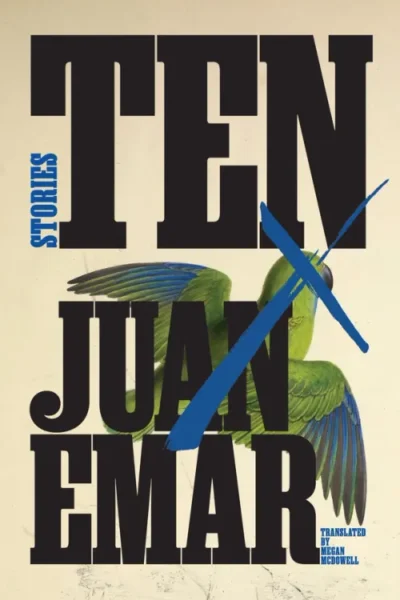
In [Juan Emar’s] work . . . we can discover the possibilities of a literature that both resists and reconciles the European tradition with the rest of the world. It is in writers like Emar that we can find what Goethe called a Weltliteratur—a World Literature–and a Latin American tradition which . . . has vigorously and defiantly come back to life.
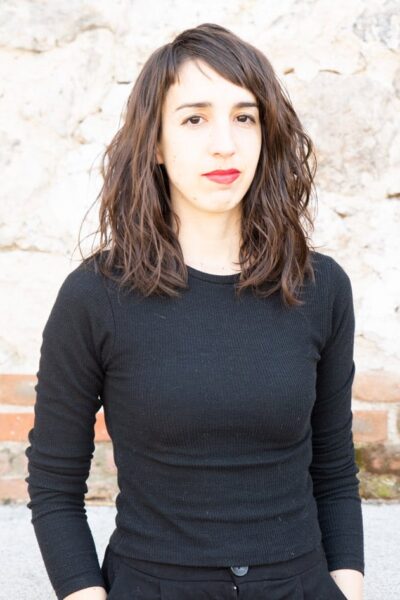
My grandmother’s house, which is the house in WOODWORM, is charged with strange energy. Nobody wants to sleep there alone, and it is common to have this feeling of being accompanied even if you don’t see or hear anyone.

Phantom Pain Wings – Kim Hyesoon
If loss is a small hammer veining an otherwise intact shell, then grief is what shatters that shell into pieces in Kim Hyesoon’s complex collection PHANTOM PAIN WINGS.

Julia Kornberg & Jack Rockwell
The West might want us to think of ourselves as different and peripheral . . . they might urge us to portray images that fulfill their prejudices about Argentina, [but] we can have a more universalist approach and write, essentially, about whatever we want, and it will still be Argentine literature.
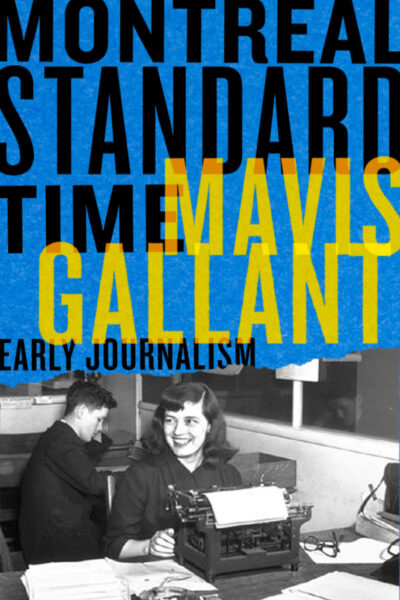
Montreal Standard Time: The Early Journalism of Mavis Gallant
A self-effacing stylist, Canadian but not, an expat in Paris decades after Stein and her lot, after even Baldwin, impossible to categorize. Who is she, really? A writer very much her own.

A member of the Métis Nation and an Edmonton resident, Kerr . . . highlight[s] what happens when activism does not move the needle in the intended direction.

Life doesn’t make sense to us, disastrous and uncomfortable events happen suddenly, and without warning. It only makes sense, then, that stories should do the same.

[Giles] feels like she is the bridge: stuck, supporting everyone else in her life, carrying a weight she can’t quite pinpoint.