
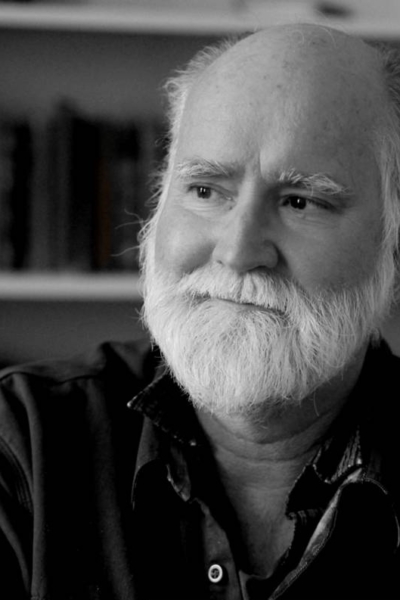
The powerlessness of words is what interests me.
The internet does nothing if not create literature. I mean, is it good literature? Or is it just psychic garbage? The answer is, it’s just psychic garbage. But some of it is funny.
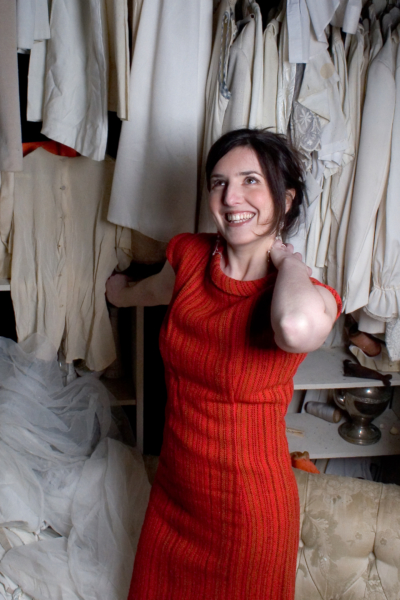
I get so annoyed when things happen in books, because nothing ever happens. In real life, nothing ever fucking happens.

It’s hard at any moment to know where the language is coming from and where it’s going; what forms it wants to echo off of; whose language this is.

I love that — the thing that is so intense and painful that you have to live a life glancing sidelong at it, and are surprised when you are, once again, somehow, in the midst of it, wondering how it is that you led yourself there.

Making intimate, heartfelt comics that convey one’s concerns and reveal different ways of viewing the world are part of the fabric woven by art, by literature.
It’s that weird ghost of electricity in the faces of the people you love.
What does ten years of violence do to the psyche of a nation?
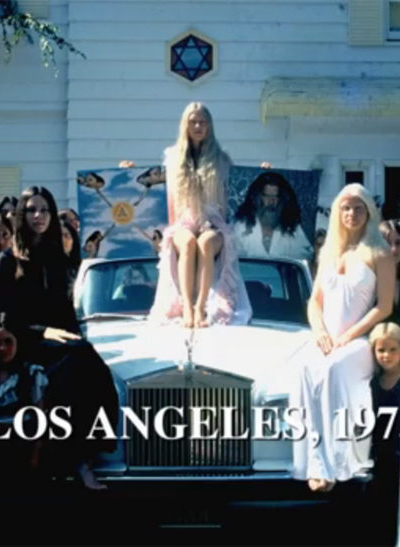
The Source Family was a high-risk situation, like any radical group or radical experiment. It was never a promise that they were going on a safe journey.
How has feminism impacted historical fiction?