

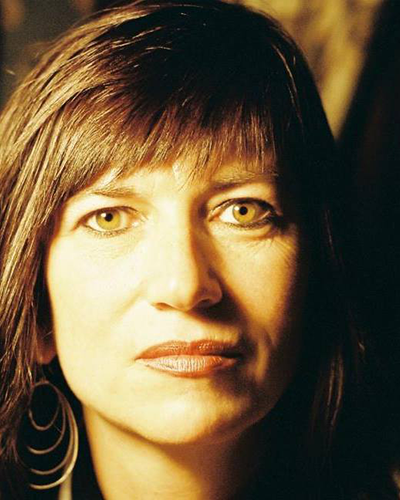
I believe that if you become too aware of or too focused on your intention, you’re likely to end up dead in the water.

I thought it was an interesting idea to explore, that the decision that saves someone could, first of all, be based on a misinterpretation of a sacred text, and then, second, could be a less complex worldview.

I’ve been thinking a lot about the difference between giving a shit and giving a fuck. Or not giving a fuck, I guess.
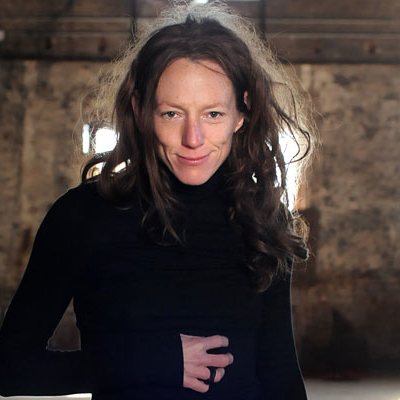
glo: Lauri Stallings and Mary Virginia Coleman
glo has this great persistence to it. I would probably be put on fire if I ask any less of myself, the world, human nature, the human condition — no one would hang around.

The rhythms of cognition interest me as much as any object or series of objects in space; the latter doesn’t exist without the former, and that interplay is where so much of the poetry happens for me.

That’s what it really comes down to: companies extracting value not just from your consumption, but from the raw materials of your life, the informationalized version of yourself.

I wanted my reviews to be like legal opinions, well-founded, well-reasoned, and as fair as I could make them without donning black robes and buying a gavel.

It’s not going to be a Manson Family memoir; it’s going to be funny and weird and a little bit gross or shocking, but also with a lot of beauty and affection in it too.
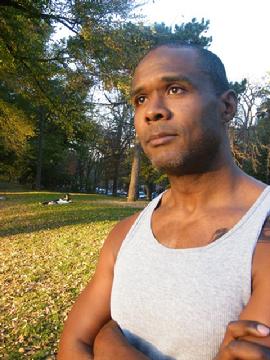
I’m interested in that murky zone where the truth is so outrageous as to be unbelievable, and in tackling the challenge of translating that sense of barely real truth into fiction without sacrificing its impact.

The World War II generation gets held up as a model for when people were in agreement about what democracy was. What I hope this book can get at is that people meant all kinds of things by democracy then.