

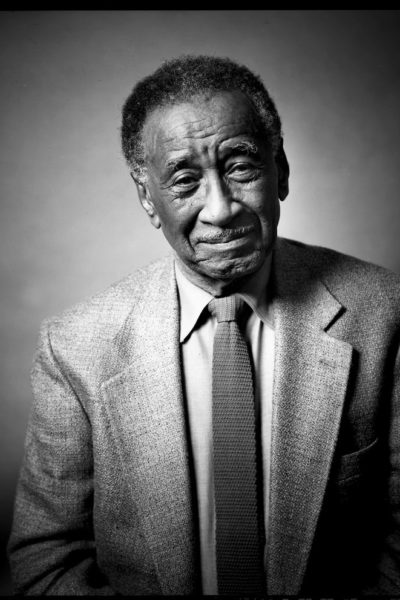
“Murray and Ellison were present at the creation of public television.”
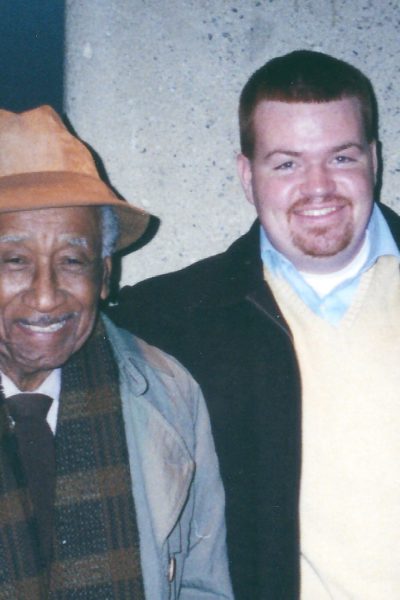
Murray went so far as to redefine race in terms of idiom.
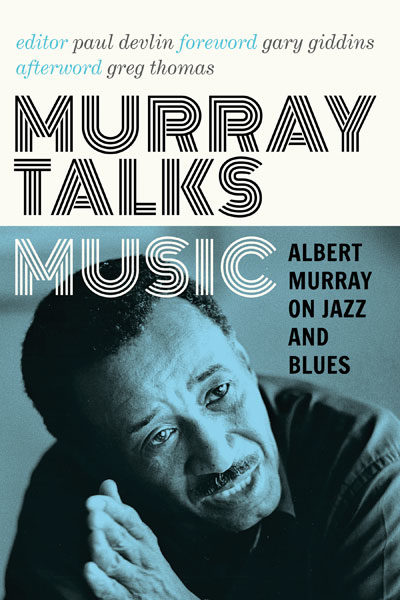
Art is About Elegant Form: An Interview with Albert Murray by Wynton Marsalis
Art is about elegant form.
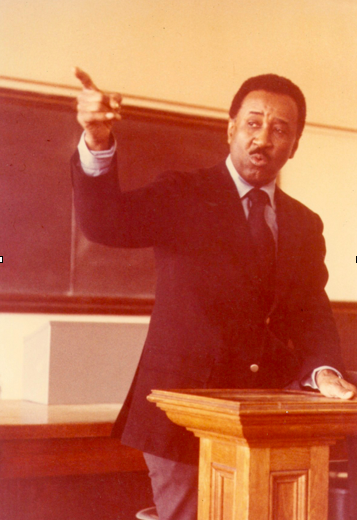
I know the world these sounds come out of: An Interview with Albert Murray
“These are types of equipment for consciousness”

I don’t know if this has any relevance, but when I was writing Metropolitan I would stop and read passages of Pride and Prejudice as a palette cleanser.
When will we notice that childhood spankings are a seed and potent fertilizer of rape culture?

I often have to think about Brecht: “Ah, what an age it is / When to speak of trees is almost a crime / For it is a kind of silence about injustice!”
“I can’t fucking do this anymore.”

The default world of literary fiction is a very professional class, with occasional sprinkles of They Closed the Mill and Now We’re All on OxyContin. I wanted to be more matter of fact about post-industrial small town life.

Don Quixote is a novel about how sure we humans are about what we know to be true, how dreadfully wrong we can be, and how incredibly funny that fact is.