

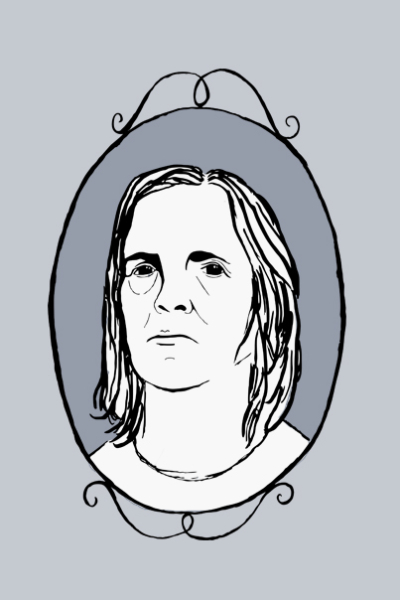
Where is the glamor of the female masculine in the culture of the young? And why is Eileen Myles the only living female writer with macho swagger successful enough for straight people know about?
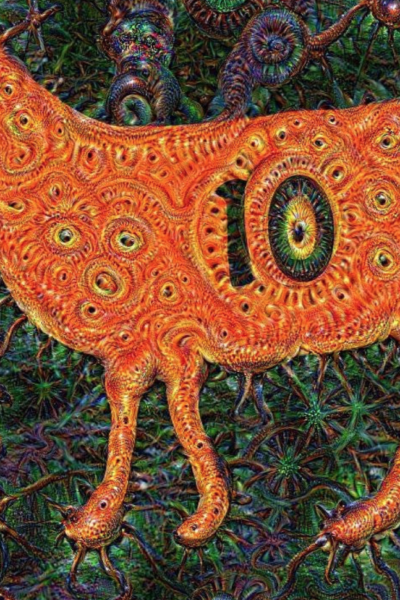
Despite what you’ve heard, Google’s Deep Dream is not an artificial intelligence – it’s just an interesting image filter. What does this misrepresentation tell us about the state of online tech journalism?

The multiplicity of binaries and hierarchies in Leon Neyfakh’s THE NEXT NEXT LEVEL testifies to a profound uneasiness regarding the center of power in America, cultural and otherwise.
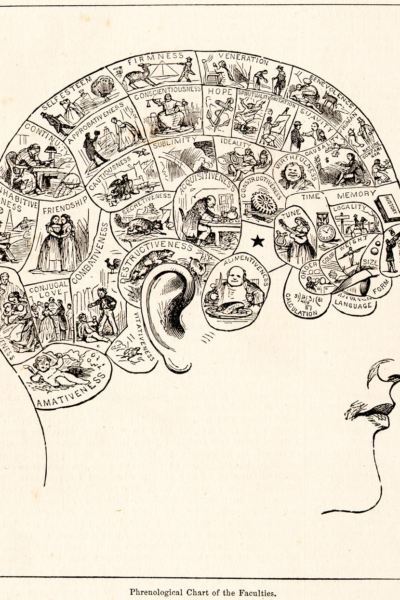
Encyclopedic Encroachment: Defining the Micro-enyclopedic Novel
Each encyclopedia has its own white whale.
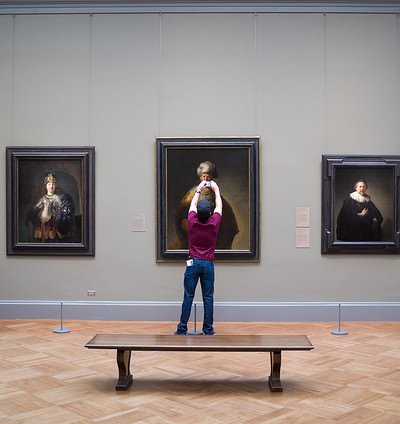
Unreal Loyalties in the Museum
Old-guard museum loyalists have come to associate photography of artworks with inattention and disrespect. But that attitude is itself unfaithful to the possibilities of the museum.

Unselfconsciousness is covetable. We admire it in babies and seek to recover it as adults. But blackness is incompatible with unselfconsciousness. Blackness is a tracking device.
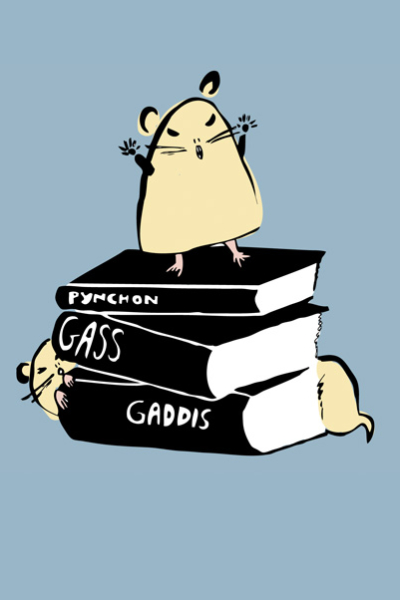
Nell Zink’s prose may not expand into rolling curls of unconventional syntax, but it is nonetheless difficult. Her mercilessly enjoyable prose leaves itself open to serious moral misinterpretation.

The Perils of Optimism, with Zeppelins
Truth itself won’t be comforted, but there’s solace in seeing the huckster unmasked. On American optimism and THE CARP CASTLE by MacDonald Harris.

Knausgaard could have Instagrammed his father’s empties. Didion could have live-tweeted her late-night ambulance ride. Instead they wrote. Why do we write grief?
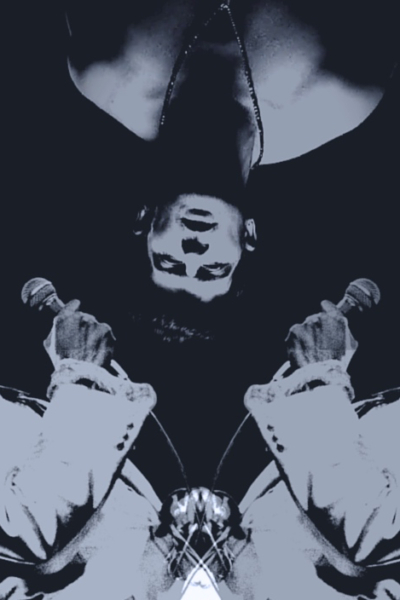
The Robin Thicke verdict renders the 2013 song theft, and thereby the two songs the same. It’s the latest installment in the American government’s recent series of ontological rearrangements.