

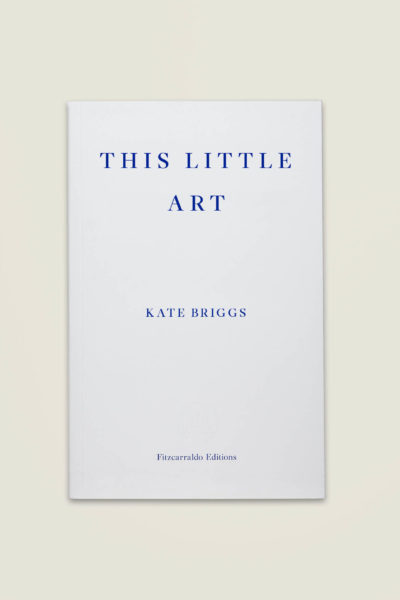
Literary translation, as a labour of changing words, and changing the orders of words, is always and from the outset wrong: its wrongness is a way of indirectly stressing and restressing the rightness of the original words in their right and original order.
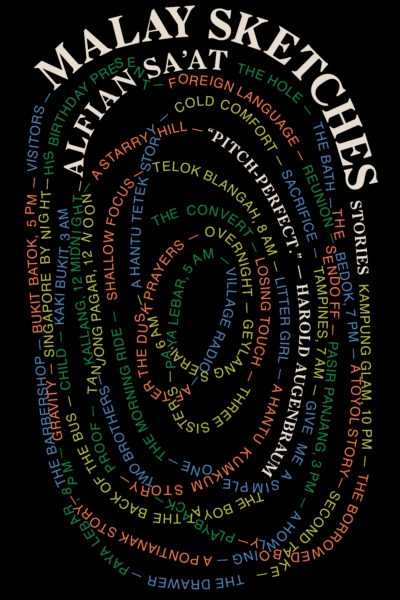
[MALAY SKETCHES] overlaps in terms of intention and effect, to an extent, with Frank Swettenham’s 1895 MALAY SKETCHES. The difference is that Alfian achieves what Swettenham could only attempt: to render the lives of a particular group of people authentically and humanely.

Poetry of Negation and the Negation of Poetry: Dissidence and form in Vietnamese poetry
Dissident poetry resonates against oppression, advocates for democracy, reveals previously undisclosed information, and attacks (the dogma of) traditional values associated with state power.
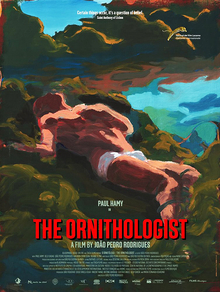
Too many artists, and filmmakers especially, won’t treat theological traditions as anything other than window dressing, an aesthetic adornment not worth reading too much into.
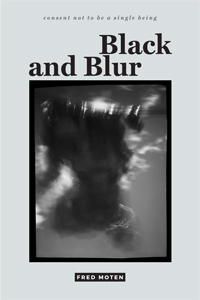
If the book is about anything, it is about spiraling through the cultural implications of keeping the “we” in “me .”
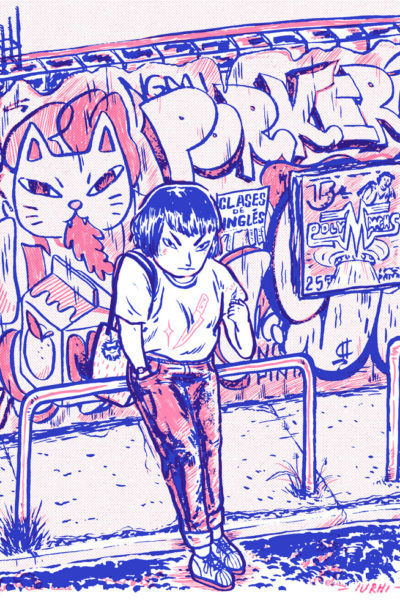
No One Promised Us Anything: Poetry in Mexico City
The act of climbing a platform and reading poetry in the street is part of the literary transformation that’s arisen in Mexico City. Poets no longer seek closed spaces where only their acquaintances attend to pat them on the back as an institutionalized greeting.
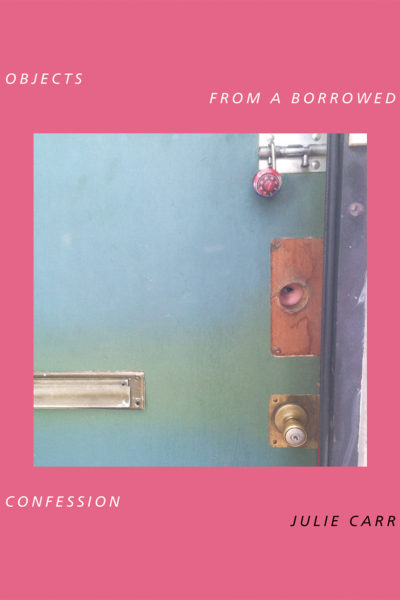
Objects from a Borrowed Confession – Julie Carr
Carr plays with the form of confessional writing, pulling the reader into personal stories of fear and death while maintaining a certain distance, purposefully working against the “I.”

Demons appear when there is nothing else left.
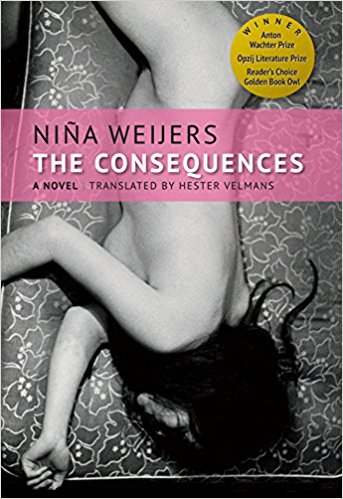
The Consequences – Niña Weijers
How often can refusal be appropriated, marketed, sold and consumed by those who possibly cause it, before the only chance an earnest human has is stop making art?
What we imagine to be an event, a moment, turns out to be something closer to duration, to a condition.